2026 Best Fountain Water Pump Types for Global Buyers?
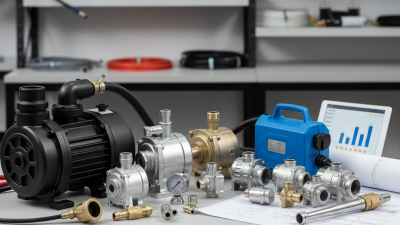
Choosing the right fountain water pump in 2026 requires more than comparing flow rates and prices. Global buyers must match pump performance with fountain height, basin volume, climate, power supply, and maintenance access. A small courtyard fountain may need a quiet submersible pump, while a hotel feature could require an external pump with stronger head pressure and continuous-duty performance.
This guide examines the main fountain water pump types available to international buyers. It covers submersible, external, solar-powered, AC, and DC models. Each type offers practical advantages and noticeable limitations. For example, solar pumps reduce grid dependence, but cloudy weather can weaken water movement. External pumps often improve serviceability, yet they may require more installation space and careful pipe planning. Details matter.
No single pump fits every fountain. That assumption fails often.
Reliable selection should begin with measurable requirements. Check the required flow rate, maximum lift, outlet size, noise level, and energy consumption. Review manufacturer curves instead of trusting product titles alone. Confirm material quality, warranty terms, spare-parts availability, and after-sales support in your destination market. Regional voltage and plug standards also need verification before purchase. Certifications can support confidence, but buyers should confirm whether they apply to the intended country and installation.
Real-world experience shows that undersizing creates weak streams and excessive strain. Oversizing may cause splashing, wasted energy, and unstable water levels. This article helps buyers compare pump designs with a professional, evidence-based perspective. Some recommendations still depend on site conditions. A careful final inspection remains essential.
Fountain Water Pump Types: An Overview for Global Buyers
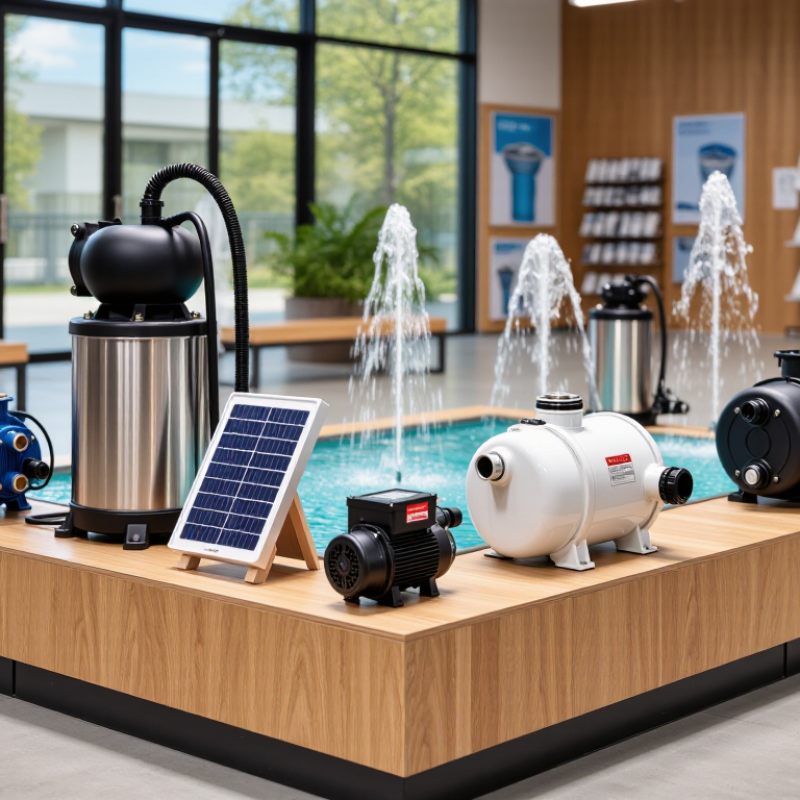
For global buyers, fountain water pump types differ in installation, power use, and maintenance needs. The common choice is the submersible pump. It sits inside the basin and pushes water through a nozzle or decorative feature. This design saves space and usually reduces installation work. However, debris can block its intake. A removable screen matters. Submersible pumps suit small gardens, indoor displays, and shallow public fountains.
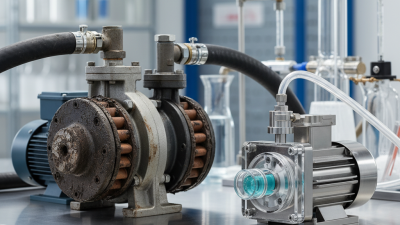
External centrifugal pumps stay outside the basin and connect through inlet and outlet pipes. They serve larger displays and longer operating cycles. Their motor receives better airflow, but installation needs a dry, ventilated enclosure. Magnetic-drive pumps use a sealed transfer system and can reduce leakage risks. Their flow may decrease when filters become dirty. That detail is easy to miss. Solar-powered pumps can reduce grid dependence, although cloud cover limits consistency.
Pump selection should begin with water flow and total lift, not motor wattage alone. Measure the vertical distance from the water surface to the nozzle. Then check the required flow rate at that height. A pump rated only at zero lift may perform poorly in practice. For international projects, verify voltage, frequency, ingress protection, and local certification requirements. Choose corrosion-resistant materials for salt air or chemically treated water. Noise also matters near hotels and homes. I have seen attractive fountains become unpopular because their pumps sounded harsh at night. No selection is perfect, so maintenance access deserves equal attention.
2026 Best Fountain Water Pump Types for Global Buyers
Typical upper-end water lift of common fountain pump types
External centrifugal pumps generally support the highest fountain lift, while submersible and magnetic-drive pumps are commonly selected for compact decorative fountains. Solar DC pumps are suitable for low-lift installations where sunlight availability is reliable. Actual performance depends on flow rate, pipe length, nozzle design, elevation, and the pump curve.
How to Compare Pump Technologies, Flow Rates, and Head Heights
For global fountain buyers, pump selection starts with the hydraulic curve, not advertised wattage. Flow rate describes water volume delivered hourly. Head height describes the pressure needed to lift water. A 6-meter head rating does not mean 6 meters at full flow. Read the curve. The U.S. Department of Energy’s Pumping System Assessment Tool guidance treats system resistance as a key sizing variable. Pipe length, bends, filters, and nozzle height reduce actual output. A pump rated at 8,000 L/h may deliver much less through a narrow, winding hose.
Submersible pumps suit compact ponds because installation is quiet and simple. External centrifugal pumps usually offer easier servicing for larger displays. They need dry, protected mounting. Mixed-flow designs move more water at moderate head. High-head centrifugal models suit taller jets. Compare three curve points, not one catalogue number. The International Energy Agency’s Energy-Efficiency Policy Opportunities for Electric Motor-Driven Systems estimates motor-driven equipment uses about half of global electricity. Efficiency matters, even in decorative water features. Variable-speed control helps only when the motor and controller match.
Check continuous-duty ratings, seals, voltage, and restart behavior. Confirm local electrical requirements with a qualified installer. Measure energy use at the required flow and head. Then estimate yearly cost using local tariffs. A marked container and stopwatch can test nozzle output. Results may expose optimistic catalogue figures. This method is useful, but not perfect. Water levels, algae, and clogged screens change performance. Leave safety margin, but avoid excessive oversizing. Throttling a powerful pump can waste energy and distort the fountain pattern. Hydraulic Institute ANSI/HI 9.6.3 guidance recommends evaluating operation across the full range, rather than one duty point.
Choosing the Right Pump for Indoor, Outdoor, and Large Fountains
For indoor fountains, choose a quiet submersible pump with adjustable flow. A small basin may need only gentle circulation. Excess pressure can cause splashing, wet floors, and annoying noise. Measure the fountain’s height and outlet size before buying. Many buyers focus on flow rate alone. That is a mistake.
Outdoor fountains need stronger construction and better resistance to dust, moisture, and temperature changes. Select a pump with a suitable protection rating and a durable housing. Use a pre-filter when leaves, sand, or algae may enter the basin. I have found that easy access matters as much as power. Cleaning a hidden pump can turn into an unpleasant weekend task.
Large fountains usually benefit from an external pump system. It can deliver higher flow, simplify servicing, and reduce heat inside the water basin. However, pipe length and bends create pressure loss. Ask for a performance curve, not just a maximum flow figure. Efficiency also affects long-term operating costs. Check cable length, control options, noise levels, and local electrical requirements. Some calculations still need professional review. A pump that seems perfect on paper may perform poorly after installation. Test the water pattern before final placement.
Key Standards, Materials, Energy Efficiency, and Safety Requirements
2026 Best Fountain Water Pump Types for Global Buyers?
For most garden fountains, submersible pumps offer simple installation and quiet operation. External pumps suit larger displays, longer pipe runs, and easier maintenance access. Magnetic-drive models can reduce seal-related leakage, but their flow may decrease when debris blocks the intake. Match the pump’s rated flow and head height to the fountain design. A pump that looks powerful on paper may perform poorly after bends, filters, and narrow tubing are added.
Material selection affects service life. Stainless steel housings resist corrosion better than ordinary coated metals in wet environments. Ceramic shafts and durable elastomers can reduce wear during continuous operation.
However, material claims need verification through technical documents, not attractive catalog language. Check electrical ratings, temperature limits, and compatibility with treated or hard water.
Energy efficiency depends on correct sizing, not only motor wattage. A variable-speed controller can reduce consumption when full flow is unnecessary. Measure actual flow during testing. Standards differ by destination, so buyers should confirm applicable electrical, efficiency, and electromagnetic requirements before shipment.
Look for recognized conformity documentation, clear test reports, and traceable production data. Safety features should include grounding, thermal overload protection, suitable IP protection, and residual-current protection where required. Keep connections above splash zones.
A high IP rating is useful, but it is not a complete safety guarantee. Specifications are sometimes incomplete. Ask better questions.
Global Sourcing, Installation, Maintenance, and Replacement Considerations
Global buyers should select fountain pumps by hydraulic duty, not catalog wattage. The required flow, head height, nozzle pressure, and operating hours must match the site. A pump that looks efficient may struggle when filters clog or pipes become longer. The U.S. Department of Energy’s pumping guidance emphasizes system-level efficiency, because energy losses often come from poor sizing and throttled flow. Ask suppliers for tested curves, voltage tolerance, duty-cycle limits, and verified efficiency data.
Sourcing also requires practical installation checks. Confirm local electrical requirements, IP protection, cable length, inlet dimensions, and replacement-part availability before payment. For outdoor fountains, installers should protect connections from standing water and provide an accessible isolation switch. Water chemistry matters. Hard water can leave pale mineral rings on impellers and nozzles within weeks. The Europump and Hydraulic Institute Pump Life Cycle Costs guide reports that energy can represent about 40% of total pump life-cycle cost, making efficiency important beyond the purchase price.
Maintenance should include weekly debris inspection and scheduled impeller cleaning. Record vibration, noise, flow changes, and power use. Small changes can reveal wear early. Replacement planning is often overlooked. Keep seals, screens, impellers, and compatible cables locally where possible. A perfect specification rarely exists. I would rather choose a slightly conservative pump with serviceable parts than an efficient unit that becomes disposable after one failure.
| Pump Type | Typical Application | Typical Flow Range | Typical Head Range | Energy and Noise Profile | Installation Requirements | Maintenance and Replacement Considerations | Global Sourcing Factors | Main Advantages |
|---|---|---|---|---|---|---|---|---|
| Submersible Magnetic-Drive Pump | Small to medium indoor or outdoor fountains, bubbling urns, tabletop features, and garden displays. | Approximately 300–8,000 L/h | Approximately 0.5–6 m | Low power consumption; generally quiet because the motor is water-cooled and submerged. | Install fully submerged with adequate water depth. Use a pre-filter, level sensor, and protected electrical connection where required. | Clean the intake screen and impeller regularly to remove scale, leaves, and biological growth. The pump should not run dry. Impeller and seal kits may be replaceable depending on construction. | Confirm voltage, frequency, plug type, IP rating, electrical approvals, cable length, spare-part availability, and carton protection. | Simple installation, compact size, low leakage risk, and good suitability for decorative water features. |
| Submersible Centrifugal Pump | Medium to large ponds, cascades, wall fountains, water curtains, and multi-nozzle displays. | Approximately 2,000–60,000 L/h | Approximately 2–15 m | Moderate to high power demand depending on flow and head; underwater operation helps reduce airborne noise. | Place on a stable base or in a pump cage. Use a suitable intake screen, correctly sized discharge pipe, and protection against suspended solids. | Inspect the impeller, intake, cable, and housing for blockage or wear. Frequent cleaning may be needed in ponds with sediment or plant debris. | Check rated flow at the actual operating head rather than the zero-head rating. Verify motor protection, thermal overload, customs documentation, and service-part access. | High water volume, easy positioning, and strong performance for many outdoor fountain layouts. |
| External Centrifugal Pump | Large fountains, long pipe runs, multiple jets, public landscapes, and installations requiring an accessible equipment room. | Approximately 5,000–250,000 L/h | Approximately 5–40 m | High hydraulic capacity; typically more audible than submerged pumps, so equipment-room isolation may be needed. | Requires a dry, ventilated location, flooded suction or properly designed priming system, isolation valves, unions, and vibration control. | Easier access for inspection and repair. Check mechanical seals, bearings, alignment, strainer condition, and suction leaks. Dry running can damage seals quickly. | Confirm pump curve, motor efficiency class, local electrical standard, flange or thread dimensions, spare mechanical seals, and technician support. | High flow and head capability, convenient servicing, and good scalability for commercial projects. |
| Variable-Speed Pump | Energy-conscious fountains, programmable displays, seasonal installations, and systems with changing flow requirements. | Approximately 500–100,000 L/h, depending on model and speed setting | Approximately 1–30 m | Can reduce energy use when operated below maximum speed; speed control can also reduce hydraulic noise. | Requires compatible controller or integrated drive, correct ventilation, overload protection, and programming for minimum safe speed. | Keep cooling paths and electronics dry and clean. Inspect connectors, controller alarms, impeller, and seals. Replacement may involve the controller as well as the pump. | Confirm input voltage, phase, frequency, control protocol, electromagnetic compatibility requirements, spare controller policy, and software or interface limitations. | Adjustable output, lower operating cost at reduced speed, and improved control of fountain height and water consumption. |
| Low-Voltage DC Pump | Small decorative fountains, portable displays, solar-assisted features, and locations where extra-low-voltage safety is preferred. | Approximately 100–5,000 L/h | Approximately 0.3–5 m | Usually low power consumption and relatively quiet. Output depends on the power supply or solar conditions. | Requires a correctly rated DC power supply, controller, fuse, polarity protection, and waterproof cable connections. | Clean the intake and impeller frequently. Check for corrosion at connectors and confirm that the power supply is not overloaded. | Match nominal voltage, current, connector type, adapter approvals, cable length, solar-controller compatibility, and replacement-adapter availability. | Safer low-voltage architecture, compact design, and suitability for portable or off-grid applications. |
| Solar Fountain Pump Set | Small outdoor fountains, ponds, birdbaths, temporary displays, and locations without convenient grid power. | Approximately 100–3,000 L/h | Approximately 0.3–4 m | Renewable operating power but variable output; performance decreases with cloud cover, shading, and low battery charge. | Requires correct solar-panel orientation, protected cable routing, adequate water depth, and optional battery storage for more stable operation. | Clean the panel surface, intake, and nozzle. Protect the battery from excessive heat and freezing conditions where applicable. | Verify panel wattage, battery chemistry, controller protections, seasonal sunlight conditions, transport packaging, and replacement battery availability. | Minimal grid electricity use, flexible placement, and relatively simple installation for low-flow features. |
| Air-Driven Aeration Pump | Aerated ponds, bubbling water features, oxygenation systems, and designs where water movement is created through air diffusers. | Air output is commonly specified as approximately 10–500 L/min rather than water flow. | Common diffuser depth approximately 0.5–5 m | Low to moderate power use; compressor or diaphragm noise is usually audible above water. | Install the air pump in a dry, ventilated location above the waterline or with a backflow preventer. Use correctly sized airline and diffuser. | Replace or clean air filters, diaphragms, valves, and diffusers as required. Keep the pump dry and prevent water backflow. | Check voltage, noise rating, pressure at operating depth, hose diameter, diaphragm-kit availability, and local electrical compliance. | Efficient aeration, low water-contact electrical risk, and useful circulation where a strong visible jet is not required. |
| High-Pressure Jet Pump | Tall vertical jets, aerating nozzles, laminar streams, interactive displays, and architectural fountains requiring concentrated pressure. | Approximately 500–20,000 L/h | Approximately 10–60 m | Higher energy demand per unit of flow; pipe velocity and nozzle discharge may create noticeable sound. | Requires accurate nozzle sizing, pressure-rated pipework, stable mounting, air-release provisions, and protection from clogging. | Inspect nozzles, strainers, seals, pressure readings, and alignment. Scale or debris can significantly change jet height and appearance. | Request a complete pump curve at the target flow and head. Confirm nozzle interfaces, pressure rating, motor duty cycle, and replacement seal dimensions. | Produces tall, defined jets and supports demanding visual effects in architectural fountain designs. |
| Solar-Powered DC Pump with Battery Backup | Remote garden features, eco-focused projects, and displays requiring limited operation after sunset or during short periods of low sunlight. | Approximately 100–3,000 L/h | Approximately 0.3–5 m | Low grid demand; battery charging and pump output depend on solar resource, temperature, and operating schedule. | Requires correctly sized panel, battery, charge controller, low-voltage disconnect, waterproof enclosure, and a programmed operating schedule. | Clean the solar panel and pump intake. Test battery capacity, controller indicators, cable glands, and water-level protection. | Confirm battery transport classification, expected autonomy, charging time, connector standard, replacement battery cycle, and cold-weather performance. | Better operating continuity than direct-solar systems and reduced dependence on grid electricity. |
| Smart or IoT-Enabled Fountain Pump | Commercial properties, hotels, public spaces, and installations requiring remote scheduling, alarms, monitoring, or integration with building controls. | Approximately 1,000–100,000 L/h, depending on the hydraulic pump | Approximately 2–30 m, depending on the hydraulic pump | Energy performance depends on the motor and control strategy; electronic components may require additional cooling and surge protection. | Requires reliable network connectivity or local control, protected electrical cabinets, cybersecurity controls, and manual override capability. | Maintain firmware, sensors, communication modules, filters, impellers, and electrical enclosures. Ensure local operation remains possible if connectivity fails. | Confirm communication protocol, data hosting location, software support period, language options, electrical certifications, and long-term spare-part policy. | Remote supervision, scheduled operation, fault alerts, and improved operational visibility for distributed installations. |

Related Posts
-
2026 How to Choose the Right Small Electric Water Pump for Your Needs?
-
How to Choose the Right Water Tank Pump for Your Needs?
-
2026 Best Submersible Water Pump Reviews and Buying Guide?
-
Top 24V Water Pump Options for Global Buyers Guide?
-
How to Choose the Best Electric Transfer Pump for Your Needs?
-
How to Choose the Right Diaphragm Pump for Your Needs?