2026 Best Soft Wash Pump for Global Buyers?

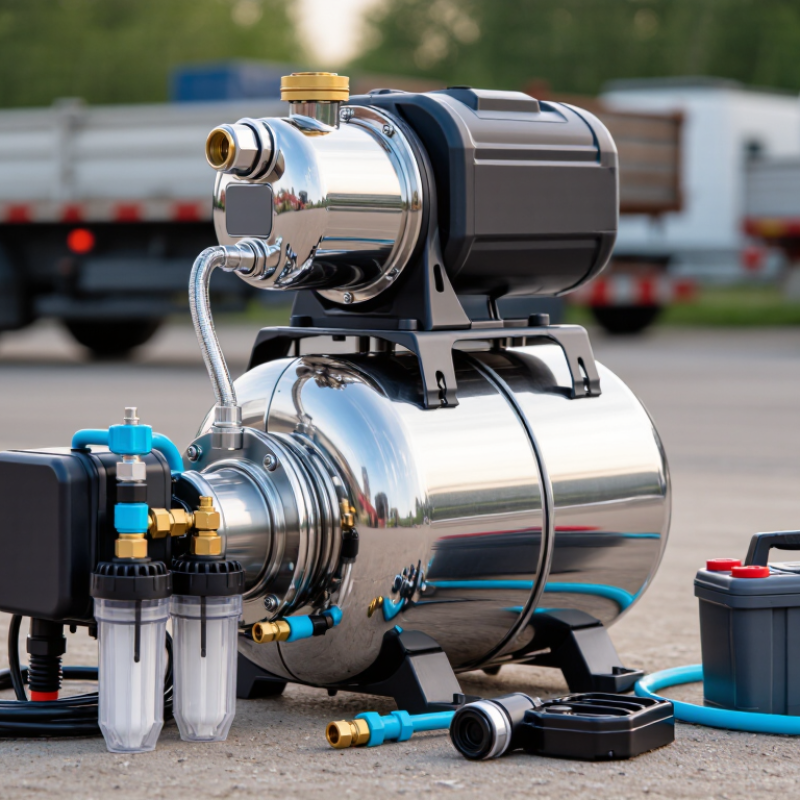
Choosing the 2026 best soft wash pump requires more than comparing flow rates and advertised prices. Global buyers need a pump that performs steadily under real working conditions. That means checking chemical compatibility, voltage requirements, water flow, pressure limits, duty cycle, fittings, and replacement-part access. A pump may look powerful on paper, yet struggle when paired with long hoses, thick detergents, or unstable water supplies. Field experience matters here. A contractor working from a small trailer needs different equipment from a large cleaning company serving commercial roofs.

Doug Rucker, a recognized soft-wash educator and industry trainer, has stated, “The right pump is only one part of a complete soft-wash system.” That point deserves attention. A reliable soft wash pump should work smoothly with proportioners, hoses, filters, batteries, and safe chemical-handling practices. Buyers should also examine manufacturer documentation, warranty terms, service networks, and verified user feedback. These details often reveal more than a polished product page.

There is no universal winner.

A pump suitable for North America may not fit European power standards or regional service conditions. Some buyers also overlook noise, priming time, diaphragm wear, and winter storage. I have found that simple maintenance access can matter more than an impressive maximum rating. Still, every comparison has limits. Actual results depend on water quality, hose length, cleaning technique, and operator training. This guide evaluates leading models through those practical factors, helping international buyers make a more informed and defensible purchase decision in 2026.
2026 Best Soft Wash Pump for Global Buyers?

What Is a Soft Wash Pump and How Does It Work?

A soft wash pump moves cleaning solution at controlled pressure through a hose, proportioner, and spray wand. Unlike a high-pressure washer, it relies on chemical action and steady flow to loosen organic staining. The pump draws diluted detergent from a tank and pushes it toward the nozzle. Pressure remains modest, often protecting painted siding, roof materials, and delicate surfaces. That distinction matters. Too much pressure can force water behind cladding or damage aging seals.

In field work, operators typically apply the solution from the lower area upward, allow dwell time, then rinse gently from the top down. This method helps reduce streaking, although wind can still carry droplets into unwanted areas. A reliable pump should resist common cleaning chemicals, maintain consistent flow, and tolerate repeated starts. Diaphragm pumps are widely used because their design handles chemical exposure and intermittent operation well. Yet no pump is maintenance-free. Filters clog. Seals wear. Flushing with clean water after use prevents many avoidable failures, based on practical maintenance experience.

For global buyers in 2026, match voltage, flow rate, pressure range, hose length, replacement parts, and local service access to the job. A larger pump is not automatically better; excessive flow wastes solution and increases runoff. Check chemical compatibility and follow regional safety requirements for storage, labeling, protective equipment, and wastewater handling. Product specifications can look impressive, but performance depends on calibration and operator training. My view is cautious: pump ratings help, yet they cannot replace a small test area and regular inspection. That step often reveals problems earlier.

Key Features of the Best Soft Wash Pumps in 2026

The best soft wash pump in 2026 should balance pressure, flow, durability, and easy maintenance. Excessive pressure can damage delicate surfaces, so adjustable output matters. A practical range allows operators to clean siding, roofs, and masonry more safely. Consistent flow also reduces chemical waste and uneven results.

Look for chemical-resistant seals, stainless-steel or reinforced components, and protection against dry running. Thermal overload protection is valuable during long cleaning cycles. Global buyers should check voltage, frequency, hose fittings, and local electrical requirements before ordering. A pump may perform well in testing but fail when replacement parts are unavailable. That detail is often overlooked.

Tips: Choose a model with accessible filters and simple drain points. Test its flow using the actual hose length and nozzle setup. Keep spare seals available in humid or dusty regions. Avoid selecting by maximum pressure alone; working performance matters more.

A reliable pump should start smoothly, maintain steady output, and tolerate repeated daily use. Lower noise can improve communication on busy sites. Digital controls may help, but they are not always necessary. Mechanical simplicity can be easier to repair in remote areas. No pump is perfect. Even strong equipment needs regular inspection, cleaning, and honest performance checks.

2026 Best Soft Wash Pump for Global Buyers? - Key Features of the Best Soft Wash Pumps in 2026

Practical specification guide for selecting a soft wash pump for residential, commercial, and light industrial cleaning applications.
Evaluation Dimension Recommended Specification in 2026 Why It Matters Best-Fit Application
Pump Type Diaphragm or demand-style chemical transfer pump Designed for controlled chemical application and lower-pressure cleaning rather than high-pressure surface blasting. Roof, siding, façade, fence, deck, and exterior maintenance
Working Flow Rate 5–10 GPM (19–38 L/min) Provides practical coverage while helping operators control chemical and water use. Residential and small-to-medium commercial jobs
Maximum Pressure 60–100 PSI (4.1–6.9 bar) Soft washing relies on chemical dwell time and rinsing volume, so excessive pressure is generally unnecessary. Surfaces that may be damaged by high-pressure cleaning
Motor Power 0.5–1.5 HP (0.37–1.12 kW) Balances pumping performance, portability, energy consumption, and generator requirements. Portable rigs and trailer-mounted systems
Power Options 12 V DC, 24 V DC, or 110–240 V AC depending on the operating environment Voltage compatibility is essential for international transport, mobile work, and local electrical safety requirements. Mobile, workshop, and multi-country operations
Chemical Compatibility Wetted parts rated for diluted sodium hypochlorite, detergents, and common exterior-cleaning solutions Chemical resistance reduces swelling, cracking, corrosion, leakage, and premature component failure. Routine exterior cleaning with properly diluted solutions
Wetted Materials Polypropylene, reinforced thermoplastics, EPDM, Santoprene, or equivalent chemical-resistant materials Material selection affects service life and compatibility with the intended cleaning chemicals. Corrosive or chemically demanding environments
Duty Cycle Intermittent to continuous-duty capability, clearly stated by the manufacturer A suitable duty rating helps prevent overheating during repeated or extended cleaning cycles. From occasional household use to daily professional work
Self-Priming Capability Approximately 4–10 ft (1.2–3.0 m), subject to model and hose configuration Supports reliable fluid pickup when the source tank is below or separated from the pump. Tank-fed mobile soft wash systems
Inlet and Outlet Size Commonly 1/2–1 inch connections, selected to match the target flow rate Correct hose sizing reduces restriction, pressure loss, and unnecessary strain on the pump. Compact rigs through higher-flow commercial systems
Flow Control Adjustable bypass, pressure regulator, variable-speed control, or pulse control Improves chemical application consistency and helps protect delicate surfaces and vegetation. Mixed-surface cleaning and precision application
Protection Features Thermal overload protection, dry-run protection, fuse or circuit protection, and corrosion-resistant fasteners Protective functions improve operational safety and reduce avoidable downtime. Professional and frequent-use equipment
Portability Compact construction, carry handle, vibration isolation, and manageable weight A portable pump is easier to install, transport, inspect, and service on different job sites. Contractors and mobile cleaning crews
Maintenance Requirements Fresh-water flushing, filter inspection, hose inspection, and diaphragm or seal replacement when worn Regular maintenance helps limit chemical buildup and extends the usable life of the pump. All operating environments
Global Buyer Checklist Confirm voltage, frequency, plug format, local safety certification, spare-parts availability, warranty terms, and chemical-use regulations These factors determine whether the pump can be legally installed, safely operated, and economically supported in the destination market. International procurement and distribution

Note: Actual performance depends on hose length, elevation, nozzle selection, fluid temperature, chemical concentration, filtration, and the specific pump configuration. Always verify the technical datasheet and chemical-compatibility guidance before purchase.

How to Compare Pump Types, Materials, and Performance

2026 Best Soft Wash Pump for Global Buyers?

How to Compare Pump Types, Materials, and Performance

Choosing a soft wash pump starts with the cleaning task, not the advertised pressure. Diaphragm pumps suit many exterior cleaning jobs because they handle intermittent flow and chemical solutions. Electric models are practical for mobile work, especially with 12-volt or 24-volt power systems. Air-driven pumps can perform well where compressed air is already available. They are less convenient for small vehicles. Keep it simple.

Material selection affects service life. Polypropylene offers useful chemical resistance and lower weight. PVDF usually provides stronger resistance against aggressive cleaning mixtures. Stainless steel can improve frame durability, but every wetted component still needs checking. Seals require equal attention. EPDM and compatible fluoropolymer seals may resist different solutions, while ordinary rubber can swell or crack. I have seen users compare pump bodies carefully but overlook replacement diaphragms.

Performance should be measured under real conditions. A pump rated at five gallons per minute may deliver less through a long hose, narrow fittings, or a worn nozzle. Compare flow, working pressure, duty cycle, voltage, amperage, and maximum hose length. Check whether the pump includes thermal protection and an adjustable pressure regulator. Rinse the system after chemical use, inspect connections, and record output during testing. Supplier charts help, but they are not field proof. My own early comparisons relied too heavily on catalog numbers, and that mistake made a modest pump look stronger than it was. Spare parts availability, clear manuals, and local technical support can matter as much as peak performance.

Choosing the Right Soft Wash Pump for Global Applications

2026 Best Soft Wash Pump for Global Buyers?

Choosing the right soft wash pump starts with the job, not the catalog. Global buyers should check flow rate, pressure, voltage, and chemical compatibility together. A pump producing 4–8 gallons per minute often suits exterior cleaning, but large commercial sites may need more capacity. The U.S. Environmental Protection Agency reports that pressure-washing equipment can use roughly 2–8 gallons per minute. Soft washing can reduce water demand when operators apply controlled flow and avoid unnecessary rinsing.

Look for corrosion-resistant wetted parts, especially when using alkaline cleaners or diluted acids. Diaphragm pumps are common because they tolerate intermittent dry running better than many centrifugal designs. However, dry running still shortens service life. Keep that in mind.

A practical field check includes a 20-minute test, hose inspection, and stable output at the nozzle. Test with the actual water source. Rural supply lines may deliver less flow than expected.

Electrical standards also vary between regions. Confirm the local voltage, frequency, plug configuration, and motor protection before ordering. Grand View Research’s 2024 pressure washer market analysis identifies commercial cleaning as a major growth application, showing why adaptable equipment matters.

Yet market growth does not guarantee local support. Spare diaphragms, seals, and pressure regulators may matter more than a higher advertised rating. I have seen efficient pumps underperform because the intake filter was too small. The specification was correct. The setup was not.

Installation, Maintenance, Safety, and International Buying Tips

2026 Best Soft Wash Pump for Global Buyers?

Installation, Maintenance, Safety, and International Buying Tips

A suitable soft wash pump should match chemical resistance, flow demand, hose length, and local power supply. I would not choose the fastest pump every time. Excessive flow can damage paint, seals, and delicate roofing materials. Install the unit on a firm, ventilated platform. Use compatible tubing, grounded connections, and a clearly marked chemical inlet. The U.S. Department of Energy reports that pumping systems can represent a significant share of industrial motor energy use, so efficient sizing matters.

Keep the setup simple.

Before operation, inspect wiring, clamps, filters, and pressure readings. Flush the pump with clean water after every chemical application. Salt, oxidizers, and concentrated detergents can harden seals surprisingly quickly. Record flow changes weekly. A gradual drop often indicates a blocked filter, worn diaphragm, or air entering the suction line. The U.S. Bureau of Labor Statistics recorded about 2.6 million nonfatal workplace injuries in private industry during 2023. That broad figure supports a practical point: routine checks are not optional.

For international purchasing, confirm voltage, frequency, plug standards, spare-part availability, and customs documentation before payment. Check enclosure protection against IEC 60529 requirements, especially for wet outdoor work. Ask for material compatibility data, test reports, warranty terms, and installation instructions in a usable language. Do not rely on a glossy specification sheet. I have seen impressive flow ratings become disappointing when long hoses and cold weather reduce performance. Leave room for mistakes, because real sites rarely match the brochure.