2026 Best Sprayer Pump How to Choose the Right One?

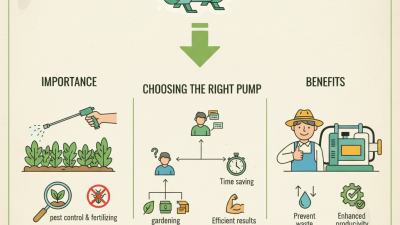
Choosing the right sprayer pump in 2026 is less about finding the biggest number on a product label and more about matching the pump to the work. A small garden sprayer, a compact orchard setup, and a larger field system can have very different flow and pressure needs. Get the match wrong, and the spray pattern may suffer, the pump may work harder than necessary, or the equipment may feel awkward to use. Details matter.

This guide compares common sprayer pump types and explains how to assess flow rate, pressure, power source, materials, maintenance, and compatibility with your sprayer. Dr. Erdal Ozkan, an agricultural spray-technology specialist, offers a useful principle that can be paraphrased as: choose spraying equipment for the application and operating conditions, not the label alone. That is a sensible starting point, though it does not replace checking a manufacturer’s specifications or your sprayer manual.

Before buying, consider what you will spray, how often you will use the equipment, and whether your water source and hoses suit the pump. Look closely at seals, fittings, and access for routine cleaning. A bargain can become frustrating if replacement parts are hard to find. So can an oversized unit.

There is no perfect choice for every setup. This guide aims to make the trade-offs clearer, while recognizing that real-world needs can be messier than a checklist suggests. Compare specifications carefully, and confirm compatibility before purchase.
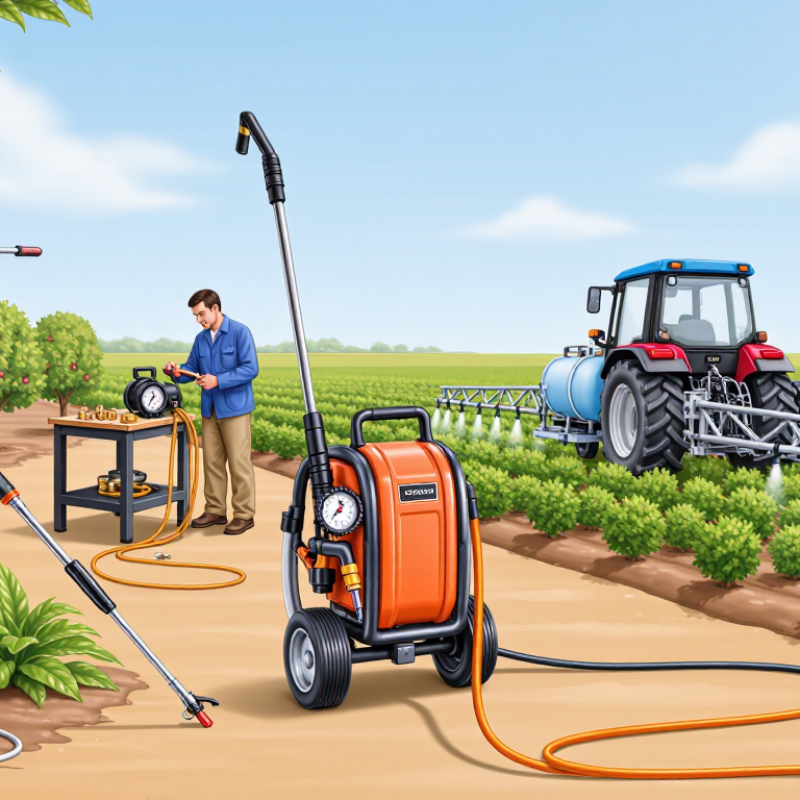
2026 Best Sprayer Pump How to Choose the Right One?

What a Sprayer Pump Is and How It Works

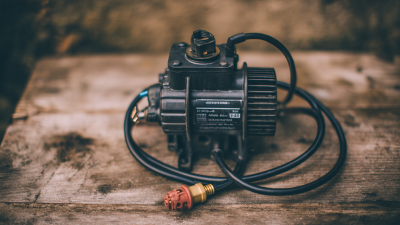
A sprayer pump moves liquid from a tank and sends it through a hose and nozzle. Its job is to create enough pressure for the liquid to leave the nozzle in a controlled pattern. The pump does not decide where the spray goes; nozzle shape and pressure do. Simple, but important.

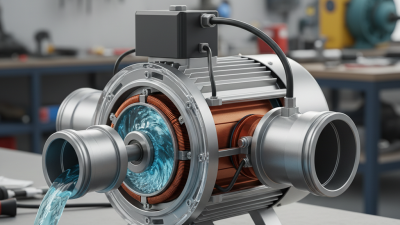
Inside many pumps, a motor or manual lever drives a piston, diaphragm, or impeller. As the moving part creates suction, liquid enters through an inlet valve. The pump then pushes it toward an outlet valve and into the spray line. A pressure regulator may return excess liquid to the tank or reduce pressure at the outlet. You can often hear the pump cycle as pressure changes. That sound is useful, though it is not a reliable fault diagnosis by itself.

Choosing a pump starts with the liquid, required flow, and working pressure. A small garden task may need modest output, while a larger area can require steady flow over a longer period. Check that wetted seals and housing materials suit the liquid; compatibility varies. Also consider cleaning access, power supply, and how long the pump can run without overheating. In practice, a pump rated far above your needs can waste energy and make control harder. I have seen people focus only on pressure, then wonder why the spray is uneven. Pressure matters, but the whole system matters more.

2026 Best Sprayer Pump: How to Choose the Right One?

What a Sprayer Pump Is and How It Works

A sprayer pump converts mechanical energy into liquid pressure, allowing water or agricultural chemicals to move from the tank through hoses, valves, and spray nozzles. The right pump depends mainly on required pressure, flow rate, chemical compatibility, and duty cycle.

How to read this chart: Diaphragm and piston pumps are commonly selected for higher-pressure spraying, while roller and centrifugal pumps are often used where moderate pressure, simpler operation, or higher continuous flow is preferred. The values shown are representative maximum working pressures within commonly published operating ranges; actual performance varies by model, nozzle size, liquid viscosity, and operating speed.

Common Sprayer Pump Types and Their Applications

Common Sprayer Pump Types and Their Applications

Choosing a sprayer pump starts with the liquid, work area, and required spray pattern. Diaphragm pumps handle many agricultural spraying tasks and can tolerate some abrasive mixtures. Their flexible membranes separate the liquid from moving parts, which can reduce wear. They suit field equipment and moderate-to-high pressure needs. Check seals and diaphragms regularly.

Roller pumps are compact and often used for small farms, spot treatment, or transferring liquid. Their simple design can make repairs straightforward, but rollers wear faster when the liquid contains grit. Clean water may seem harmless. It can still leave deposits if equipment sits unused. Centrifugal pumps work well when high flow matters more than high pressure, such as filling tanks or irrigating. They generally need adequate liquid supply and may lose performance when run dry.

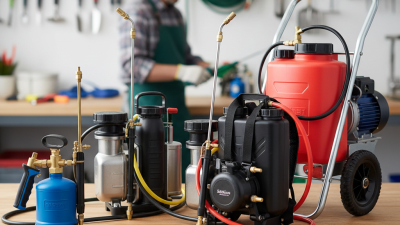
Piston and plunger pumps can produce strong, steady pressure for orchard spraying, washing, or other tasks that need a finer spray. They also need careful maintenance, especially around valves and seals. A pump that looks powerful on paper may be a poor fit for a long hose or thick liquid. Match the pump’s flow rate and pressure to the nozzle, hose length, and fluid. When conditions vary, leave some capacity in reserve; I have seen overly tight specifications cause frustrating adjustments later.

2026 Best Sprayer Pump: How to Choose the Right One? — Common Sprayer Pump Types and Their Applications
Pump Type How It Works Typical Pressure Range* Common Applications Advantages Points to Consider
Hand-operated piston A lever-driven piston pressurizes liquid in the spray chamber. About 2–6 bar (30–90 psi) Small gardens, spot treatment, and occasional home use. Low purchase cost, simple operation, and no battery or fuel required. Requires repeated pumping; less suitable for large areas or extended spraying.
Hand-operated diaphragm A flexible diaphragm moves liquid while separating it from the pump mechanism. About 2–6 bar (30–90 psi) Backpack sprayers for gardens, orchards, and small farms. Can handle some abrasive or corrosive spray mixtures when compatible materials are used. Seals and diaphragm materials must match the chemicals; manual pumping limits output.
Battery-powered diaphragm An electric motor drives a diaphragm to provide pressurized, on-demand flow. Commonly about 2–6 bar (30–90 psi) Residential landscaping, greenhouses, and small-to-medium treatment jobs. Reduces manual effort and typically offers convenient, portable operation. Runtime depends on battery capacity, pressure setting, nozzle, and spray mixture.
Piston pump (powered) A reciprocating piston draws in and discharges liquid, producing relatively high pressure. Often about 10–40 bar (145–580 psi), depending on design High-pressure field spraying and applications requiring a longer spray reach. Can provide strong pressure for fine atomization or targeted spraying with suitable nozzles. Requires maintenance of moving parts and seals; pressure must be matched to the nozzle and task.
Diaphragm pump (powered) A motor or engine flexes one or more diaphragms to move liquid through check valves. Commonly about 10–50 bar (145–725 psi), depending on model Agricultural spraying, including some abrasive or chemically challenging mixtures. Many designs tolerate abrasive liquids better than conventional piston pumps. Check diaphragm and valve compatibility with the liquid; inspect wear parts regularly.
Roller pump Rotating rollers move liquid through a flexible housing. Often about 3–10 bar (45–145 psi) Field sprayers and other agricultural systems using compatible spray liquids. Compact, relatively simple, and capable of useful flow at moderate pressure. Rollers and housing can wear; material compatibility and dry-running limits matter.
Centrifugal pump A spinning impeller moves liquid outward, producing continuous flow. Usually low to moderate; varies substantially by pump and system High-volume transfer and spray systems designed for greater flow at lower pressure. Smooth, continuous delivery and suitability for relatively high flow rates. Generally not the best choice where high pressure is needed; some models require priming.
How to choose: Match pump pressure and flow to the nozzle, target area, liquid, and required spray pattern. Check wetted-material compatibility, power source, maintenance needs, and available replacement parts. Use the equipment manual and product label for operating limits and safety instructions.
*Pressure ranges are illustrative, vary by model and operating conditions, and are not guaranteed specifications. Confirm the pump manufacturer's ratings before purchase or use.

Key Features and Specifications to Compare

2026 Best Sprayer Pump How to Choose the Right One?
Key Features and Specifications to Compare

Pressure and flow rate shape how a sprayer performs. Compare both figures, not pressure alone: a high-pressure pump may still deliver too little liquid for steady coverage. For garden beds, check whether the output can be adjusted for delicate leaves or broader application. Nozzle compatibility matters, too. A pump that accepts common nozzle types offers more flexibility, though adapters can sometimes leak. Check the fittings before buying.

Match tank capacity and power to the work you actually do. A larger tank means fewer refills, but it can feel heavy when full; a smaller model may suit short jobs around raised beds. For battery-powered pumps, compare runtime and charging time under realistic conditions. Published figures may reflect ideal use. Seal material is another useful specification, especially when you know which liquids the sprayer is designed to handle. Look for clear maintenance instructions and accessible replacement parts. Small details matter. I would also check the assembled weight and handle shape, since a comfortable empty tank can become awkward after several minutes of spraying. Some specifications are easy to compare; ergonomics are not.

How to Match a Pump to Your Spraying Needs

Choosing the right sprayer pump starts with the spray task, not the pump catalog. FAO’s AQUASTAT reports that agriculture uses about 70% of global freshwater withdrawals. That figure makes efficient application more than a cost concern. Measure each nozzle’s required flow, then add the volume needed for agitation or return lines. Select a pump that meets this total at your working pressure. Oversizing can cause unstable pressure, wasted energy, and faster component wear.

Pressure is not everything.

Match the pump material to the spray liquid. Water-based solutions, fertilizers, and cleaning chemicals can react differently with seals, housings, and valves. Check chemical compatibility charts from the pump manufacturer, then confirm the liquid temperature and viscosity. For a small boom, a diaphragm pump may handle pulsing and moderate pressure well. A centrifugal pump can suit higher flow with cleaner, low-viscosity liquids.

The application decides.

Duty cycle also matters. USDA’s Farm and Ranch Irrigation Survey shows the continuing scale of irrigated agriculture in the United States, where equipment may operate for long periods. Choose a pump rated for your actual hours, not occasional peak use. I would test the system with clean water before adding chemicals. This often exposes clogged filters, undersized hoses, or pressure loss at fittings. My earlier mistake was trusting the pump’s maximum rating. Real performance depends on plumbing, nozzle wear, elevation, and maintenance. Leave a practical safety margin, but avoid buying power you cannot use.

Installation, Maintenance, and Safe Operation

2026 Best Sprayer Pump How to Choose the Right One?

Choosing the right sprayer pump starts with the job, not the advertised pressure. Check the liquid type, flow rate, operating pressure, and tank capacity. The pump should match the sprayer’s hose, fittings, seals, and power source. During installation, keep the pump level and secure it firmly. Use compatible gaskets, tighten connections evenly, and install a filter before the inlet. A dry start can damage internal parts quickly.

Follow the operating instructions and local safety requirements. Wear suitable gloves, eye protection, and protective clothing. Keep people and animals away from the spray area. Never point the nozzle toward your body. Before opening the pump, release pressure and disconnect the power. Ventilation matters when liquids produce strong vapors. I have seen users focus on pressure while ignoring hose condition. That mistake can cause leaks and poor coverage.

Tips: Flush the pump with clean water after each use, if the liquid allows it. Inspect seals, clamps, wiring, and the pressure gauge every week during heavy use. Store the pump in a dry, protected place, and prevent freezing. Replace worn parts early. Waiting for complete failure is expensive. Keep a simple maintenance record with dates and observed problems. I still recommend checking the manual twice, because small model differences can change the correct procedure.