2026 Best Sprayer Pump Reviews and Buying Guide?
In the world of gardening and agriculture, choosing the right sprayer pump is crucial. Industry expert John Stevens once stated, “The right sprayer pump can make or break your spraying efficiency.” This highlights the importance of finding a sprayer pump that meets specific needs. With various options available, it can be overwhelming.
Sprayer pumps come in many types and sizes. Each is designed for different tasks. Some are perfect for small gardens, while others are meant for large fields. It's vital to evaluate your requirements carefully. Consider the pressure needed and the type of fluid you'll be using.
The market is flooded with choices, and not all sprayer pumps are created equal. You might encounter products that promise quality but often fall short. Recognizing these differences can save both time and money. Essentials include durability and ease of use. Overall, taking time to research is a step many overlook, leading to regrets later on.
Essential Features to Consider When Choosing a Sprayer Pump
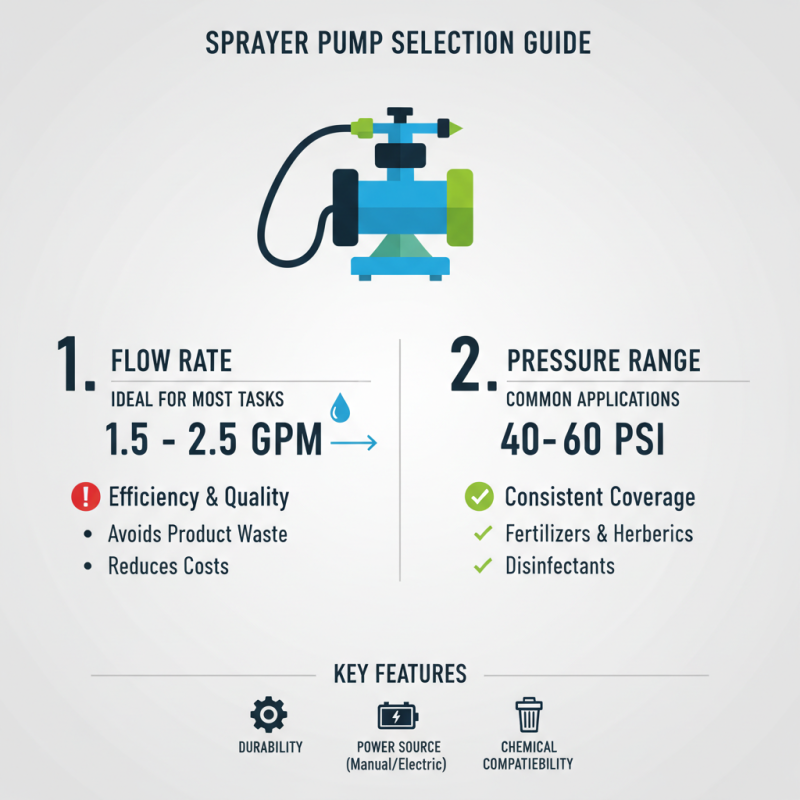
When selecting a sprayer pump, essential features should be top of mind. The pump's flow rate is key. Industry studies show that a flow rate of around 1.5 to 2.5 gallons per minute (GPM) is ideal for most tasks. This provides efficiency without compromising the quality of application. A pump that's too powerful can waste product and increase costs.
Durability is another critical factor. Materials such as stainless steel and high-density plastic are commonly recommended. These materials resist corrosion and prolong the pump's life, making them ideal for various applications. However, cheaper models may not always provide the distance or power needed. According to market research, nearly 30% of users report issues with low-quality pumps on the first use.
Ease of maintenance often gets overlooked. Regular cleaning is essential to prevent clogs and ensure smooth operation. A pump requiring complicated assembly and disassembly can deter regular upkeep. Neglecting this can lead to performance issues. A recent survey noted that 25% of users faced frustration due to poor maintenance design. Selecting a sprayer pump is not just about power. It's about finding the right balance between functionality and user experience.
Types of Sprayer Pumps: A Comprehensive Overview
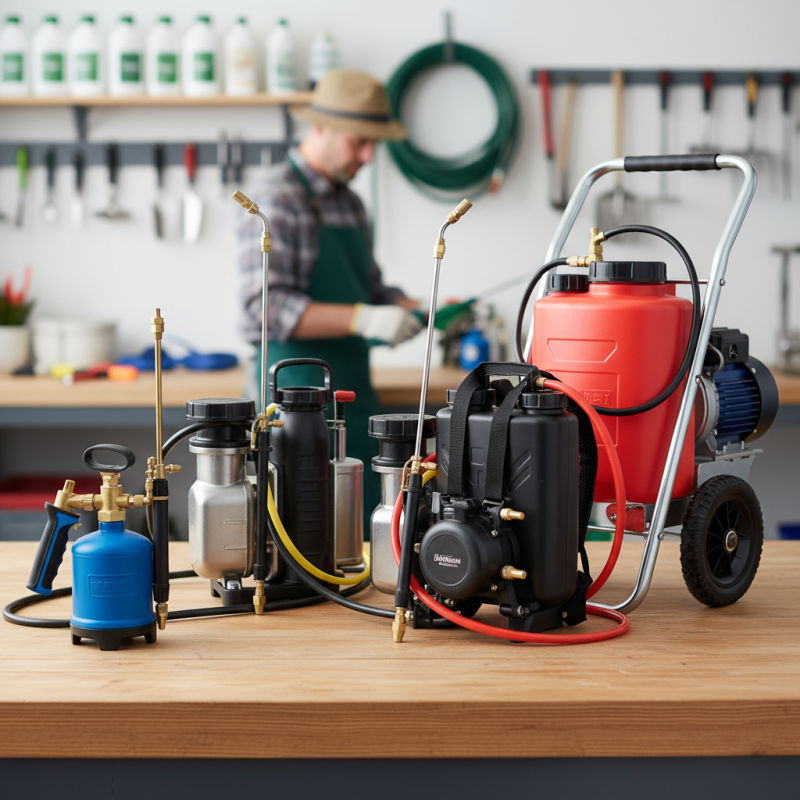
When considering the types of sprayer pumps, it's essential to recognize their diversity. There are three primary types: diaphragm, piston, and rotary pumps. Diaphragm pumps are known for their ability to handle various liquids. They are versatile and often used in agricultural applications. According to a 2022 industry report, their efficiency can reach over 80% in optimal conditions.
Piston pumps, on the other hand, excel in high-pressure applications. These pumps deliver a consistent flow rate, making them ideal for precise spraying tasks. A 2023 survey indicated that up to 65% of professional landscapers prefer piston pumps for their reliability. However, they may require more maintenance compared to other options.
Finally, rotary pumps are typically used for larger volumes. They can move fluids efficiently but often at lower pressures. A report from an industry conference highlighted that while they are faster, their accuracy can vary. Choosing the right type requires careful consideration of your specific needs and potential drawbacks. Each pump type has its strengths and weaknesses, and what's best for one application might not work for another. The choice is crucial yet complex.
2026 Best Sprayer Pump Reviews and Buying Guide
| Type of Sprayer Pump |
Flow Rate (GPM) |
Pressure (PSI) |
Tank Capacity (Gallons) |
Weight (lbs) |
| Piston Pump |
2.0 |
1500 |
25 |
30 |
| Diaphragm Pump |
1.5 |
1200 |
15 |
25 |
| Gear Pump |
3.0 |
2000 |
10 |
27 |
| Electric Pump |
2.5 |
1300 |
20 |
22 |
| Backpack Pump |
1.0 |
1500 |
4 |
16 |
Top Brands and Models for Sprayer Pumps in 2026
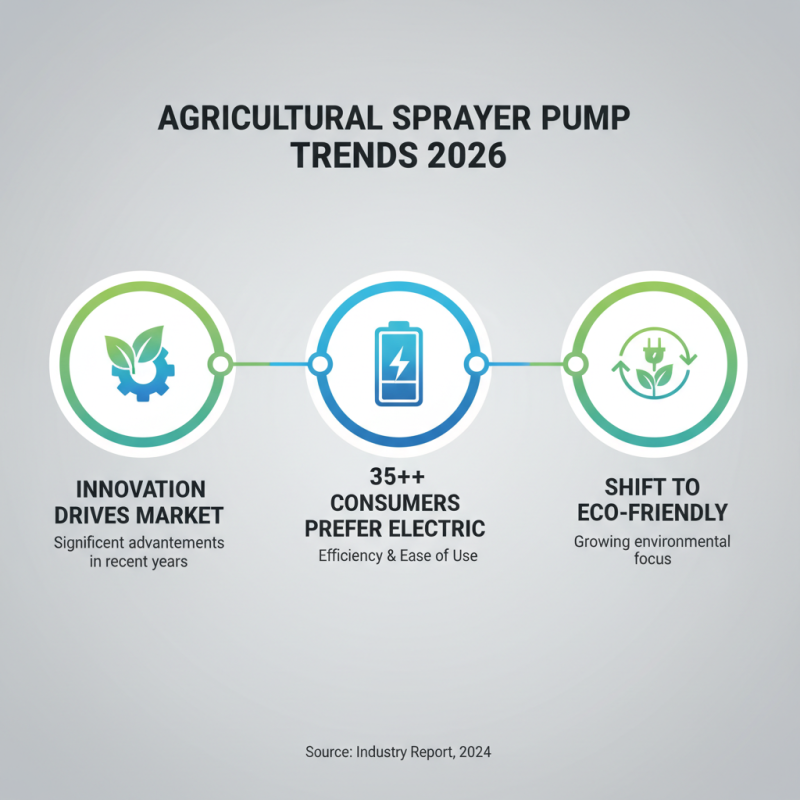
When considering sprayer pumps for 2026, it's vital to look into various brands and models. The market has seen significant innovation in recent years. According to a recent industry report, more than 35% of consumers prefer electric sprayer pumps for their efficiency and ease of use. This shift indicates a growing trend towards environmentally-friendly options.
Brands focusing on user experience have stepped up their game. Many new models feature adjustable pressure settings, making them more versatile. Reports suggest that models with higher PSI ratings, typically over 300, are gaining popularity among professionals. They allow for a more thorough application of liquids. Yet, it's essential to remember that higher pressure does not always equate to better performance. Inadequate maintenance can lead to reduced longevity.
While shopping, considering the build quality is crucial. Lightweight materials may be convenient but could compromise durability. Quality often trumps quantity, so investing in a well-reviewed model might save you headaches later. Beware of flashy marketing; the actual performance varies widely. Seek user reviews that reflect real-world use cases for the best insight into your options.
Maintenance Tips for Maximizing the Life of Your Sprayer Pump
Maintaining your sprayer pump is essential for its longevity and efficiency. Regular cleaning is crucial. After each use, rinse the pump thoroughly. This step removes any residue that could clog the system later. Neglecting this simple task can lead to serious issues down the line. Pay attention to the filters too. Clogged filters can cause reduced pressure and uneven spraying. It's often easy to forget these components during routine checks.
Another important aspect is inspecting seals and hoses. Look for any signs of wear and tear. Small cracks can lead to leaks over time. Early detection can save you from more extensive repairs later. If you notice any irregularities, replace them promptly. Additionally, consider storing the pump in a cool, dry place. Extreme temperatures can damage internal components.
Don't forget to periodically check the oil levels. Insufficient oil can jeopardize the pump's performance. Follow the manufacturer’s guidelines if you’re unsure. Remember, even the best sprayer pumps will fail if neglected. Take the time to care for yours, and it will take care of you in return.
FAQs: Common Questions About Sprayer Pumps Answered
When considering sprayer pumps, many have common questions. One frequent inquiry is about the right size. The pump size impacts efficiency. For small gardens, a compact pump may suffice. Larger fields often need robust systems. Proper sizing helps prevent malfunction and increases performance.
Another frequent question concerns maintenance. Regular cleaning is essential. Clogged filters can cause issues. Sometimes, users forget this step, leading to inefficiencies. Checking seals for wear can also extend a pump's life. A well-maintained pump can save time and resources.
Many people wonder about the noise level of sprayer pumps. Some are quieter than others. High noise levels can be distracting. Users should consider this before purchasing. Additionally, asking for user experiences could provide helpful insights. Engaging with others can clarify uncertainties.