2026 Top Small Submersible Pump Reviews and Buying Guide?
When it comes to managing water issues, choosing the right equipment is crucial. A small submersible pump can be a game changer. These compact devices efficiently move water and are perfect for various applications. From draining flooded basements to irrigating gardens, their versatility is unmatched.
However, selecting a small submersible pump requires careful consideration. Not all pumps are created equal. Different models offer varying power levels and features. Some might promise efficient operation but fall short in real-world scenarios. Buyers must pay attention to durability, performance, and suitability for their needs. Reading reviews can help narrow down choices, but personal experiences vary.
Understanding the specific context of use is vital. A small submersible pump should fit your unique requirements. Ideal size and power depend on the task at hand. Reflecting on your needs will guide you in making informed decisions.
Overview of Small Submersible Pumps: Features and Benefits
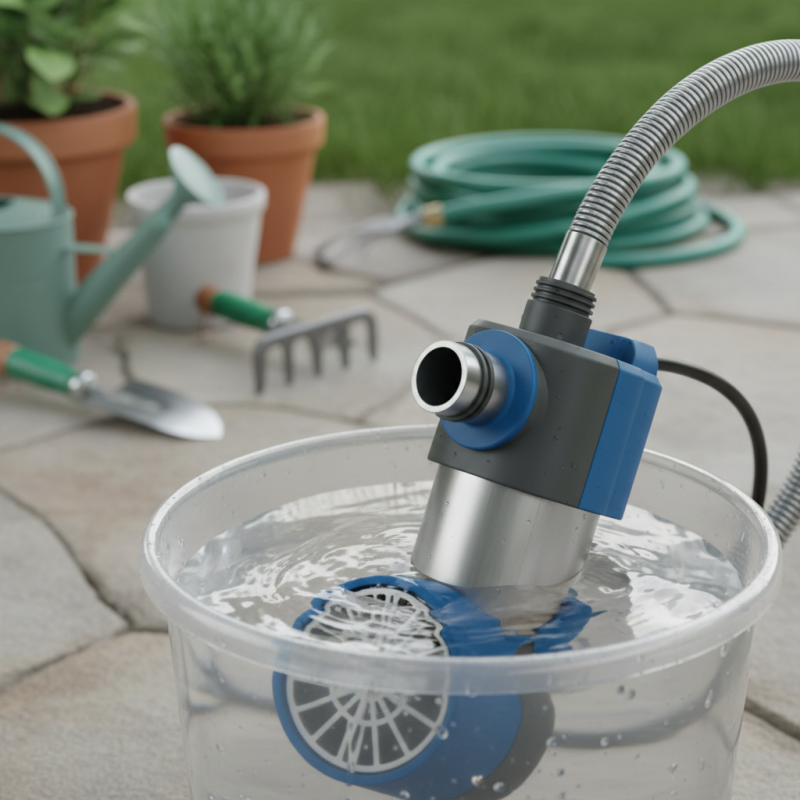
Small submersible pumps are versatile tools. They are used in various settings. Understanding their features and benefits is essential before making a purchase.
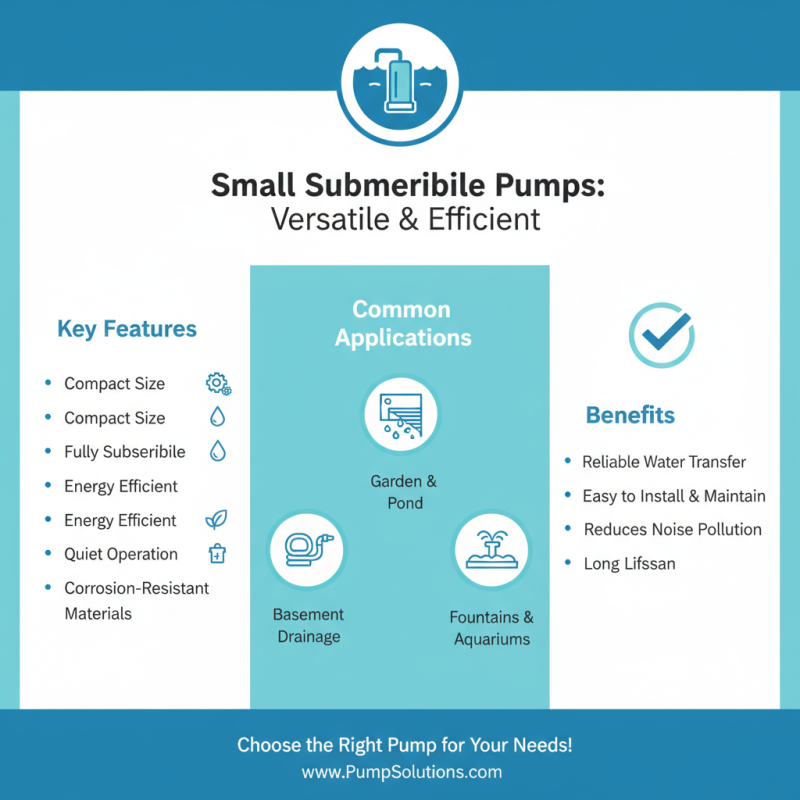
One key feature is their compact size. This allows for easy placement in tight spaces. They are designed to pump water efficiently. Many models can handle sediment and debris. This makes them suitable for draining pools or flooded basements. Their durability is impressive. However, not all models may handle heavy-duty tasks.
Tips: Always check the flow rate. This indicates how much water can be moved. Don’t overlook the power source, either. Some pumps require electricity, while others are battery-operated. Consider your specific needs carefully.
Another benefit is their ease of use. Most submersible pumps are user-friendly. Simply place them in water and turn them on. But remember, improper use can lead to damage. Read the instructions before diving in.
Tips: Regular maintenance is crucial. Ensure the pump is clean and free of debris. This will prolong its life and efficiency. Be cautious of the temperature too. Extreme conditions can affect performance.
Key Factors to Consider When Buying a Small Submersible Pump
When selecting a small submersible pump, consider its size and power. A compact design is crucial for tight spaces. However, too small might lead to inadequate performance. Balancing space and efficiency is key. Also, check the pump’s flow rate. It needs to match your requirements. Insufficient flow may result in slow draining, causing frustration.
Pump materials also matter. Corrosion-resistant materials prolong lifespan. Look for reliable seals to prevent leaks. Not all pumps will perform equally in different water types. Some may struggle with muddy or dirty water. It’s essential to assess the environment where the pump will work.
Noise level is another factor to think about. Some pumps are disturbingly loud, while others operate quietly. Consider where you’ll use the pump. A noisy pump in a peaceful area could be a mistake. Always check reviews but remember they can be biased. Testing a pump in a similar setting can provide real insights.
2026 Small Submersible Pump Performance Comparisons
Top Brands and Models of Small Submersible Pumps in 2026
When exploring the best small submersible pumps in 2026, various factors come into play. The top brands are designed for efficiency and reliability. Many offer features that cater to different needs. Durability is paramount. Users often want a pump that withstands demanding environments.
Some models stand out with their compact design. This feature allows for easy installation and mobility. Others are praised for quieter operation. However, not all models perform well in dirty water. Certain pumps clog easily. This can lead to maintenance issues. One should consider these potential drawbacks carefully.
Choosing the right submersible pump requires research. Customer reviews highlight strengths and weaknesses. It’s wise to compare specs and real-world performance. Some experienced users recommend testing different models. This hands-on approach can reveal important insights. In the end, a well-informed decision leads to greater satisfaction.
Comparative Analysis of Performance and Reliability
When considering small submersible pumps, performance and reliability are key factors. Performance can be measured in flow rate and energy consumption. A pump may excel in one area but lag in another. A high flow rate means efficiency in water transfer, yet excessive energy use can be a drawback. It’s essential to find a balance that suits your needs.
Reliability often varies among models. Users may experience failures due to subpar materials or designs. It's wise to look for user reviews and long-term performance data. Testing pumps in real-world conditions can reveal weaknesses not found in specifications.
Tips for choosing the right pump include checking the warranty and service options available. A good warranty offers peace of mind. Furthermore, ensure the pump’s specifications match your intended use. Running a pump outside its limits can lead to early failure. Look into how easy maintenance is. Complex designs may be appealing but can turn tedious when upkeep is needed.
Maintenance Tips for Maximizing the Lifespan of Submersible Pumps
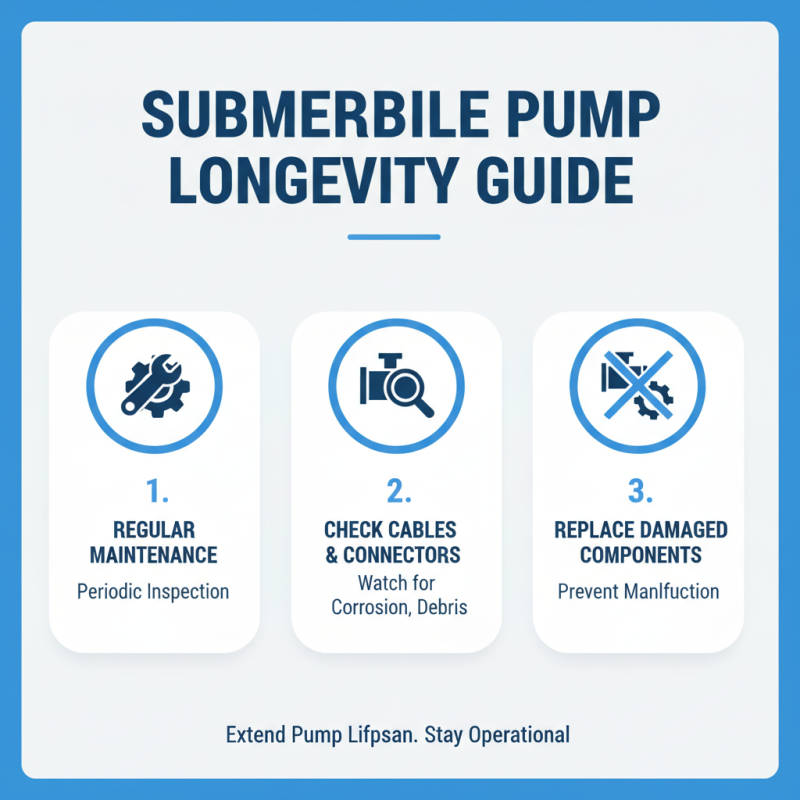
To enhance the lifespan of submersible pumps, regular maintenance is crucial. Inspect the pump periodically for wear and tear. Pay attention to the cables and connectors. They often face exposure to water and debris. Corrosion can occur, leading to malfunction. Replace damaged components immediately to avoid further issues.
Cleaning is essential too. Remove any debris that might accumulate around the pump. This could block the intake and reduce efficiency. A simple rinse can prevent buildup. Consider using a brush for stubborn dirt. Also, ensure the pump is stored correctly when not in use. Keep it dry and free from dust.
Monitor the pump's performance regularly. Strange noises or reduced water flow indicate a problem. Don’t ignore these signs. They can signify impending failure. Lastly, keep a maintenance log. Note when inspections and cleaning occur. This helps track any patterns over time. Reflecting on this can highlight areas for improvement in your maintenance routine.
Related Posts
-
Unlocking Efficiency: How Submersible Pumps Are Transforming Water Management in Agriculture
-
Discovering the Advantages of Electric Diaphragm Pumps: Efficiency, Versatility, and Applications
-
What is a High Pressure Pump and How Does it Work Efficiently
-
Unlocking Efficiency: The Advantages of 24V Water Pumps for Modern Applications
-
7 Incredible Benefits of Using Fountain Pumps for Your Water Features
-
Understanding the Benefits of High Pressure Pumps in Industrial Applications