2026 Top High Pressure Pump Types for Global Buyers

Choosing the right high pressure pump in 2026 requires more than comparing maximum pressure ratings. Global buyers must match pump design, fluid properties, flow demand, operating temperature, and maintenance conditions. A pump that performs well in a clean-water facility may struggle with abrasive slurry, chemical liquids, or high-viscosity media.

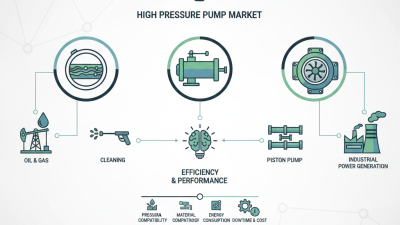
This guide examines major high pressure pump types, including plunger pumps, piston pumps, diaphragm pumps, multistage centrifugal pumps, and triplex designs. Each type offers different advantages. Plunger pumps can deliver strong pressure for demanding industrial cleaning and water treatment. Diaphragm pumps provide useful separation when leakage control matters. Multistage centrifugal models may support stable flow across large facilities, but their efficiency depends heavily on system design.

Pressure is only one part of the decision.

Experienced buyers also review flow rate, pump materials, seal construction, motor efficiency, NPSH requirements, noise levels, and spare-parts availability. Regional voltage, climate, technical support, and certification requirements can affect the final purchase. Manufacturer data should be checked against real operating conditions, not copied from a brochure without review.

No single pump fits every market.

Some selection charts oversimplify performance. That assumption can fail when fluid temperature changes or inlet pressure drops. Reliable procurement therefore combines supplier documentation, field experience, independent testing, and a clear duty profile. The following overview helps global buyers compare pump technologies realistically, identify hidden operating costs, and choose equipment with dependable long-term value.
2026 Top High Pressure Pump Types for Global Buyers

High-Pressure Pump Fundamentals and Selection Criteria

2026 Top High Pressure Pump Types for Global Buyers

High-pressure pump selection starts with fundamentals, not catalog pressure ratings. A pump converts mechanical power into flow and pressure, while efficiency determines energy cost. The basic relationship is P = Q × Δp ÷ η. At 100 bar, even a small flow can demand substantial motor power. The U.S. Department of Energy’s Improving Pumping System Performance guide reports that pumping systems may consume 25–50% of electricity in some industrial facilities. Efficiency deserves serious attention.

Common options include plunger, diaphragm, multistage centrifugal, and rotary screw pumps. Plunger pumps suit high pressure and accurate metering. Diaphragm pumps handle aggressive fluids and reduce leakage risk. Multistage centrifugal designs support steady, large-volume flow. Rotary pumps often perform well with viscous liquids. The best type depends on duty conditions, not pressure alone.

Buyers should confirm rated flow, differential pressure, fluid viscosity, temperature, solids content, and operating hours. Check NPSH available against NPSH required, especially with hot liquids or long suction lines. Hydraulic Institute guidance emphasizes stable suction conditions and avoiding operation far from the best efficiency point. Materials must match corrosion and temperature exposure. Controls can reduce throttling losses, but poor commissioning may erase expected savings. A clean spreadsheet can still hide a bad assumption. Field verification matters. Allow a practical margin, but avoid oversized pumps; they often cycle, waste energy, and suffer premature wear. WHO and ISO-aligned risk practices also support documented testing, guarding, and maintenance records for international installations.

2026 Top High Pressure Pump Types for Global Buyers

High-Pressure Pump Fundamentals and Selection Criteria

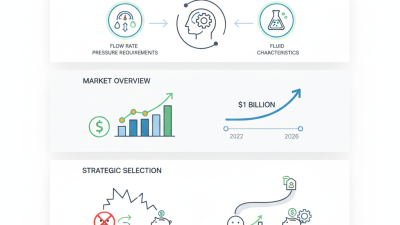
The chart compares representative upper operating-pressure levels commonly associated with major high-pressure pump types. Plunger and piston pumps are generally selected for the highest pressures, while diaphragm, multistage centrifugal, and screw pumps may be preferred when fluid sensitivity, continuous flow, or lower pulsation is more important. Final selection should also consider flow rate, fluid viscosity, temperature, solids content, efficiency, maintenance, and required control accuracy.

Key High-Pressure Pump Types for Industrial Applications

2026 Top High Pressure Pump Types for Global Buyers

High-pressure pumps support water treatment, boiler feed, chemical dosing, and process cleaning. The right design depends on flow stability, pressure, fluid viscosity, and maintenance access. Plunger and piston pumps deliver very high pressure with accurate flow control. They suit metering, reverse osmosis, and pressure testing. Diaphragm pumps isolate the fluid from moving parts, which helps when handling corrosive or sensitive liquids.

Multistage centrifugal pumps provide continuous flow for boiler feed and industrial water systems. Their efficiency can decline when operation moves far from the design point. The U.S. Department of Energy reports that pumping systems may consume 25% to 50% of industrial facility electricity. This figure makes motor sizing, variable-speed control, and pipeline design important purchasing decisions. A pump can be powerful yet wasteful.

Industry reports also show rising demand for water reuse and energy-efficient process equipment. The International Energy Agency links industrial efficiency gains with stronger monitoring and system optimization. Buyers should examine performance curves, seal materials, pulsation control, and spare-part availability. Field experience suggests that pressure ratings alone often mislead. A cheaper pump may require more frequent seal replacement, especially with abrasive fluids. That lesson is easy to overlook. ISO 5199 and relevant hydraulic testing standards can improve specification quality, but compliance does not replace site testing. Temperature, installation height, and actual fluid behavior still require careful verification.

Performance, Pressure Ratings, and Fluid Compatibility

High-pressure pump selection starts with pressure, but performance depends on duty conditions. Centrifugal pumps suit steady flow and moderate pressure, while multistage designs provide higher head with smoother delivery. Plunger and diaphragm pumps handle very high pressure and accurate dosing. Reciprocating units can exceed 1,000 bar in specialized services, but pulsation, vibration, and maintenance demand careful control.

The U.S. Department of Energy’s Improving Pumping System Performance sourcebook reports that pumping systems can represent about 20% of industrial motor energy use. Efficiency therefore matters beyond the nameplate. Check flow at the actual operating point, not only maximum capacity. A pump running far from its best efficiency point may overheat, waste power, and suffer seal damage. Pressure ratings must include continuous pressure, peak pressure, and temperature correction. A 100-bar rating is not automatically safe at 150°C.

Fluid compatibility is equally decisive. Stainless steel may resist many water-based fluids, yet chlorides can cause pitting. Elastomers may swell in hydrocarbons, solvents, or aggressive cleaning fluids. For abrasive slurries, hardness and replaceable wear parts often matter more than headline pressure. API 674 guidance for reciprocating pumps emphasizes pulsation control, relief protection, and mechanical integrity. I would still require a compatibility chart and site-fluid sample; published charts simplify real chemistry. Small changes in concentration can invalidate a confident selection. Cors? no brand names.

2026 Top High Pressure Pump Types for Global Buyers - Performance, Pressure Ratings, and Fluid Compatibility
High-Pressure Pump Type Operating Principle Typical Pressure Rating Typical Flow Range Volumetric Efficiency Fluid Compatibility Key Performance Advantages Primary Limitations Best-Fit Applications
Triplex Plunger Pump Three reciprocating plungers displace a fixed volume of fluid through inlet and discharge valves. 100–1,000 bar
(1,450–14,500 psi)
10–1,000 L/min Typically 85–95% Water, oils, mild chemicals, detergents, and selected abrasive fluids. Material selection is required for corrosive or solids-containing media. High pressure capability, strong energy efficiency, accurate flow delivery, and reliable continuous-duty operation. Produces pulsating flow; requires pulsation dampening, careful lubrication, and protection against dry running. Industrial cleaning, water jetting, pressure testing, reverse osmosis feed, and process services.
Quintuplex Plunger Pump Five reciprocating plungers provide positive displacement with more frequent discharge strokes than a triplex design. 200–1,000+ bar
(2,900–14,500+ psi)
50–2,500 L/min Typically 88–96% Water-based fluids, drilling fluids, process chemicals, and higher-viscosity liquids when wetted materials and seals are properly selected. Lower pulsation than triplex pumps, high throughput, and strong suitability for demanding continuous-duty services. Higher purchase and maintenance complexity; seal and valve wear can increase with abrasive or contaminated fluids. Oilfield injection, pipeline testing, high-volume industrial cleaning, and heavy process pumping.
High-Pressure Piston Pump One or more pistons reciprocate inside cylinders to create positive-displacement flow. 50–700 bar
(725–10,150 psi)
1–500 L/min Typically 80–94% Clean water, oils, solvents, metering chemicals, and selected viscous fluids. Abrasive solids may shorten cylinder and seal life. Excellent pressure generation, precise dosing potential, and good performance across a broad operating range. Flow pulsation, mechanical vibration, and sensitivity to improper alignment, contaminated fluid, or inadequate lubrication. Chemical dosing, hydraulic testing, boiler feed, spray systems, and laboratory or pilot-scale processing.
Diaphragm Metering Pump A flexible diaphragm separates the process fluid from the drive mechanism while reciprocating to meter a controlled volume. Up to 400 bar
(5,800 psi)
0.001–500 L/min Typically 70–90% Corrosive, toxic, volatile, sterile, and abrasive chemicals, provided the diaphragm, valves, and head materials are compatible. Leak-minimized fluid isolation, accurate dosing, good chemical resistance, and suitability for hazardous fluids. Limited flow capacity compared with larger plunger pumps; diaphragm fatigue and gas locking require monitoring. Water treatment, chlorination, chemical injection, pharmaceutical processing, and hazardous-fluid metering.
Air-Operated Double-Diaphragm Pump Compressed air alternately moves two diaphragms, producing a self-priming reciprocating pumping action. Up to 8 bar
(116 psi)
1–1,000 L/min Typically 20–45% Slurries, suspended solids, corrosive chemicals, solvents, oils, and shear-sensitive fluids, depending on diaphragm and body materials. Self-priming, dead-head capable, explosion-risk compatible in suitable configurations, and tolerant of solids. Low energy efficiency, pulsating discharge, air consumption, and a pressure limit below most hydraulic high-pressure pump types. Chemical transfer, mining slurries, wastewater, paint handling, and temporary or mobile pumping.
High-Pressure Multistage Centrifugal Pump Multiple impellers arranged in series add pressure head progressively through dynamic fluid acceleration. 20–160 bar
(290–2,320 psi)
5–2,000 m³/h Typically 65–88% Clean or lightly contaminated water, boiler feedwater, condensate, and low-viscosity process liquids. Abrasives and high viscosity require special design. Smooth, low-pulsation flow, high capacity, compact footprint for the pressure produced, and efficient operation near the design point. Performance declines with high viscosity, gas entrainment, or abrasive solids; generally requires a flooded or adequately primed suction. Municipal water supply, boiler feed, HVAC, irrigation, process circulation, and high-rise building services.
High-Pressure Screw Pump Rotating screws transport fluid axially through sealed cavities, generating steady positive-displacement flow. 10–100 bar
(145–1,450 psi)
1–2,000 m³/h Typically 70–90% Lubricating oils, fuels, polymers, emulsions, bitumen, and other viscous liquids. Dry, abrasive solids and poor lubrication can damage the screws. Very low pulsation, quiet operation, strong suction capability, and effective handling of viscous fluids. Requires correct clearances and lubrication; unsuitable fluid conditions can cause rapid wear or overheating. Fuel transfer, oil processing, marine systems, polymer handling, and viscous-product circulation.
Progressive Cavity Pump A helical rotor turns inside an elastomeric stator, forming progressing cavities that convey fluid at a controlled rate. Up to 60 bar
(870 psi)
0.1–500 m³/h Typically 60–85% Sludge, wastewater, shear-sensitive products, viscous fluids, and liquids containing suspended solids. Elastomer compatibility is critical. Low-shear handling, accurate flow, good solids tolerance, and stable performance across a wide viscosity range. Stator wear, sensitivity to dry running, and temperature or chemical limits imposed by elastomer materials. Wastewater treatment, food processing, mineral slurries, polymers, sludge transfer, and chemical processing.
Hydraulic Intensifier Pump A larger-area hydraulic piston drives a smaller-area process piston to multiply pressure according to the area ratio. 500–7,000 bar
(7,250–101,500 psi)
0.01–100 L/min Typically 50–85% Clean water, hydraulic fluids, test liquids, and specialized process fluids. Fluid cleanliness and seal compatibility are essential. Generates ultra-high pressure without an extremely high-speed drive; suitable for specialized testing and cutting systems. Low flow at maximum pressure, complex controls, high seal stress, and significant sensitivity to contamination and pressure transients. Hydrostatic testing, waterjet cutting, pressure calibration, autofrettage, and laboratory research.
Magnetically Driven High-Pressure Pump A magnetic coupling transmits motor torque through a containment shell, eliminating a conventional dynamic shaft seal. Up to 100 bar
(1,450 psi)
1–500 L/min Typically 50–85% Corrosive, toxic, high-purity, and volatile liquids when the containment shell, bearings, and wetted parts are correctly specified. Minimized external leakage, improved containment, and suitability for fluids that must not contact the atmosphere. Cannot tolerate dry running in many designs; magnetic coupling slip, heat generation, and solid contamination can be concerns. Chemical processing, semiconductor utilities, pharmaceutical systems, and sealed transfer of hazardous liquids.

Global Buyer Guide to Materials, Standards, and Certifications

2026 Top High Pressure Pump Types for Global Buyers

Global Buyer Guide to Materials, Standards, and Certifications

Material selection should follow the fluid, temperature, pressure, and corrosion risk. Stainless steel 316L suits many clean-water and chemical duties. Duplex steel offers stronger resistance in chloride-rich environments. Ceramic plungers can reduce wear, but brittle components need careful handling.

A stainless body is not automatically corrosion-proof. I learned this after seeing pitting near a poorly specified seal area. Buyers should request material certificates, weld procedures, surface-finish records, and an EN 10204 3.1 inspection certificate. For sour service, NACE MR0175/ISO 15156 may be relevant. The specification must state limits clearly.

Standards also depend on pump design. API 610 is widely used for process centrifugal pumps, while API 674 covers reciprocating positive-displacement pumps. ISO 5199 provides technical requirements for centrifugal pump units. Pressure equipment may require conformity with the EU Pressure Equipment Directive 2014/68/EU. CE or UKCA marking can apply, depending on the destination and equipment category. Hazardous-area installations may require IECEx or ATEX approval.

Certification alone does not prove field performance. The International Energy Agency’s Energy Efficiency 2023 report estimates that electric motor systems consume about 53% of global electricity. Pump efficiency therefore deserves measured evidence. Ask for witnessed hydrostatic tests, performance curves, vibration readings, and motor efficiency data. I would also verify calibration dates. That step is often overlooked.

2026 Trends in High-Pressure Pump Technology and Sourcing

2026 Top High Pressure Pump Types for Global Buyers

In 2026, high-pressure pump sourcing is moving beyond pressure ratings. Buyers now compare energy use, maintenance access, materials, and data visibility. Plunger pumps remain strong for water treatment, cleaning systems, and process injection. Their pressure stability suits demanding duty cycles. Diaphragm pumps help when fluids contain particles or require controlled dosing. Multistage centrifugal pumps fit continuous water transfer, but they need careful suction design.

Smarter monitoring is becoming a practical sourcing requirement. Sensors can track vibration, temperature, flow, and seal performance. Useful data arrives early. A sudden vibration increase may reveal misalignment before a shutdown occurs. Variable-frequency drives also reduce energy waste during changing demand. However, digital functions do not replace field inspection. We still miss things.

Global buyers are requesting modular pump skids, corrosion-resistant alloys, and clearer spare-parts plans. Suppliers with documented tests, traceable materials, and accessible technical support offer lower sourcing risk. Ask for pressure-flow curves under real operating conditions, not only laboratory figures. Check voltage, connection standards, noise limits, and local service capability before approving a quotation. Total cost matters more than the initial invoice. A cheaper pump may consume more power or require longer repairs.

Some specifications remain difficult to compare across regions. Performance data can use different test methods or tolerances. This creates uncertainty. Experienced procurement teams therefore request sample reports, factory acceptance testing, and realistic delivery schedules. A small change in fluid temperature can affect seals, viscosity, and efficiency. That detail is easy to overlook.