2026 Top Soft Wash Pump Innovations for Effective Cleaning Solutions?
In the evolving world of cleaning solutions, innovations in soft wash pumps have become crucial. Experts like James Carter, a renowned figure in pressure washing technology, emphasize the importance of these developments. He once stated, "The future of cleaning relies heavily on effective soft wash pump solutions." This phrase encapsulates the essence of the industry’s shift toward gentler yet efficient cleaning mechanisms.
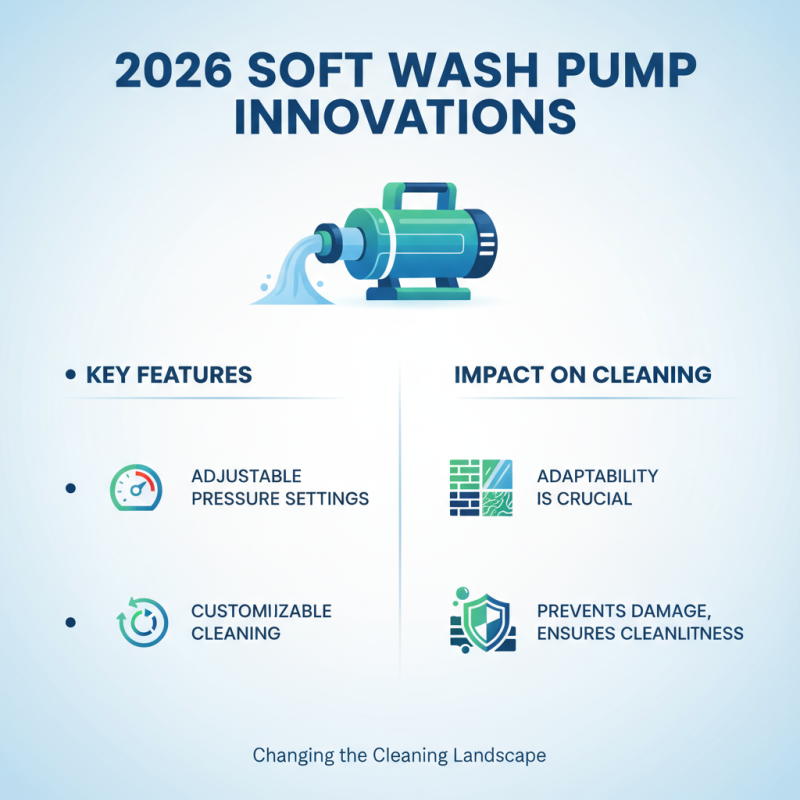
Soft wash pumps are designed to tackle delicate surfaces without causing damage. They stand out for their ability to use fewer chemicals while still achieving excellent results. With innovations in pump technology, companies can now offer improvements in efficiency and ease of use. Users report notable reductions in cleaning times and water consumption.
Yet, as we explore these advancements, we must reflect on the need for sustainability. Some pumps still consume excessive energy and resources. The challenge lies in balancing performance with eco-friendly practices. The innovations in this sector must prioritize both effectiveness and environmental impact to truly classify as leading solutions in soft wash pump technology.
Emerging Trends in Soft Wash Pump Technology for 2026
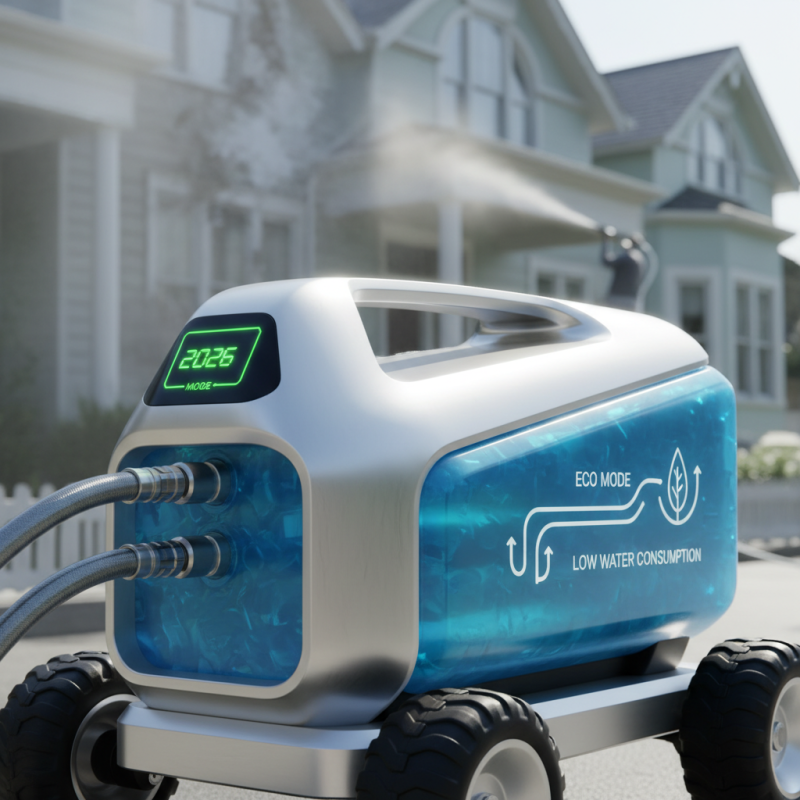
The soft wash pump industry is rapidly evolving. In 2026, we see several exciting trends shaping the market. One notable innovation is the integration of IoT technology. This allows for real-time monitoring and diagnostics. According to recent industry reports, 45% of users appreciate the predictive maintenance it offers. This feature enhances reliability and efficiency, reducing downtime for operators.
Moreover, eco-friendly solutions are gaining traction. Many manufacturers are focusing on biodegradable detergents. This aligns with the growing consumer demand for sustainable practices. Reports indicate that 60% of customers prefer environmentally safe cleaning methods. However, this shift presents challenges. Some biodegradable options may not perform as effectively on tough stains.
Finally, the efficiency of soft wash pumps is also improving. Many models now reach pressure ratings of up to 3000 PSI. Yet, operators often struggle with the ideal settings for various surfaces. Fine-tuning settings is essential for optimal results. As technology advances, the challenge remains to balance power and gentleness. These trends show a promising future for soft wash pump technology. However, industry players must remain vigilant on performance and effectiveness.
Comparative Analysis: Manual vs. Automated Soft Wash Pump Systems
The cleaning industry continues to evolve, particularly with soft wash pump systems. A recent report notes that automated systems can reduce labor costs by up to 30%. These systems provide consistent pressure and volume, essential for effective cleaning. Yet, their high initial investments can deter some businesses.
Contrastingly, manual soft wash systems can be more flexible. Operators can adjust pressure quickly based on varying surfaces. However, this can lead to inconsistency in results. Studies indicate that up to 20% of manual jobs may require rework due to human error.
An interesting finding is that automated systems excel in high-volume jobs. They can cover larger areas swiftly. However, they may lack the intimacy of manual cleaning. Many professionals still value hands-on experience for delicate tasks. This raises questions about the right balance in choosing between technology and human skill. The future will likely demand innovations that blend both approaches effectively.
2026 Top Soft Wash Pump Innovations for Effective Cleaning Solutions
| Feature |
Manual Soft Wash Pump |
Automated Soft Wash Pump |
| Ease of Use |
Requires manual operation and expertise |
User-friendly interface with automated controls |
| Efficiency |
Time-consuming, often inefficient |
High efficiency with optimized cleaning cycles |
| Cost |
Lower initial cost, higher labor cost |
Higher initial investment, lower operational cost |
| Maintenance |
Requires frequent manual maintenance |
Automated alerts for maintenance needs |
| Cleaning Quality |
Variable results based on operator skill |
Consistent and high-quality results |
Environmental Considerations in the Development of Soft Wash Pumps
The development of soft wash pumps is not just about efficiency. Environmental impact plays a critical role. Many innovations focus on reducing water usage. This is crucial in areas facing water scarcity. Using biodegradable cleaning agents is another step forward. These solutions minimize harm to surrounding ecosystems.
However, challenges remain. Manufacturers often face a trade-off between power and environmental safety. Stronger chemicals can lead to better cleaning results. Yet, they may harm plants and wildlife. Finding the right balance is essential yet complex. Testing new materials for pump construction is critical. Eco-friendly alternatives should meet industry standards without compromising performance.
Innovation must also consider end-of-life disposal. Many pumps are made from plastics that do not break down easily. Recycling options are limited. This raises concerns about waste management. Encouraging sustainable practices in production could make a difference. Engaging with consumers on the benefits of eco-conscious choices is necessary. Environmental considerations should guide every step in the development process.
Future Prospects: The Role of AI and IoT in Soft Wash Pump Innovations
The integration of AI and IoT into soft wash pump technologies is shaping the future of cleaning solutions. Reports indicate that the global AI cleaning services market is expected to reach $28 billion by 2026. This growth is influenced by advanced analytics and machine learning algorithms tailored for optimal performance. With IoT sensors, soft wash pumps can now gather real-time data. This allows for better monitoring of cleaning processes and helps in reducing water waste.
However, there are challenges ahead. Not all users fully understand these technologies. A survey found that 40% of cleaning professionals feel overwhelmed by rapidly changing tech. Training remains a significant hurdle for companies looking to adopt these innovations. Furthermore, data security is a concern with devices interconnected. As clean efficiency rises, so do the risks associated with data breaches.
Despite these challenges, the potential benefits are compelling. AI can predict maintenance needs, preventing breakdowns before they occur. IoT devices can adjust water pressure and chemical ratios based on surface types. This ensures an effective cleaning process tailored to specific situations. The journey into smart cleaning solutions continues to evolve, but questions remain about usability and safety. The industry needs to reflect and innovate responsively.