
Top 10 Benefits of Using Rubber Wheels for Your Business?
Rubber Wheels have become increasingly popular in various industries due to their numerous advantages. According to a recent industry report by the Global Rubber Wheel Association, the demand for rubber wheels is projected to grow by 5% annually over the next five years. This rise can be attributed to their durability and performance across diverse applications. They provide superior traction and reduce noise, making them ideal for quiet environments.
Expert Mark Thompson, a well-known figure in the rubber wheel industry, emphasizes, "The right wheels can enhance operational efficiency and safety." His insights reflect the necessity of choosing quality materials for enhanced performance. Businesses using rubber wheels can experience reduced maintenance costs and improved product lifespan.
However, some companies hesitate to adopt rubber wheels fully. They worry about the initial investment and long-term value. It's crucial to examine the total cost of ownership. Investing in high-quality rubber wheels often leads to savings over time through lower replacement rates and fewer accidents. Balancing cost and performance is key to ensuring a successful transition.
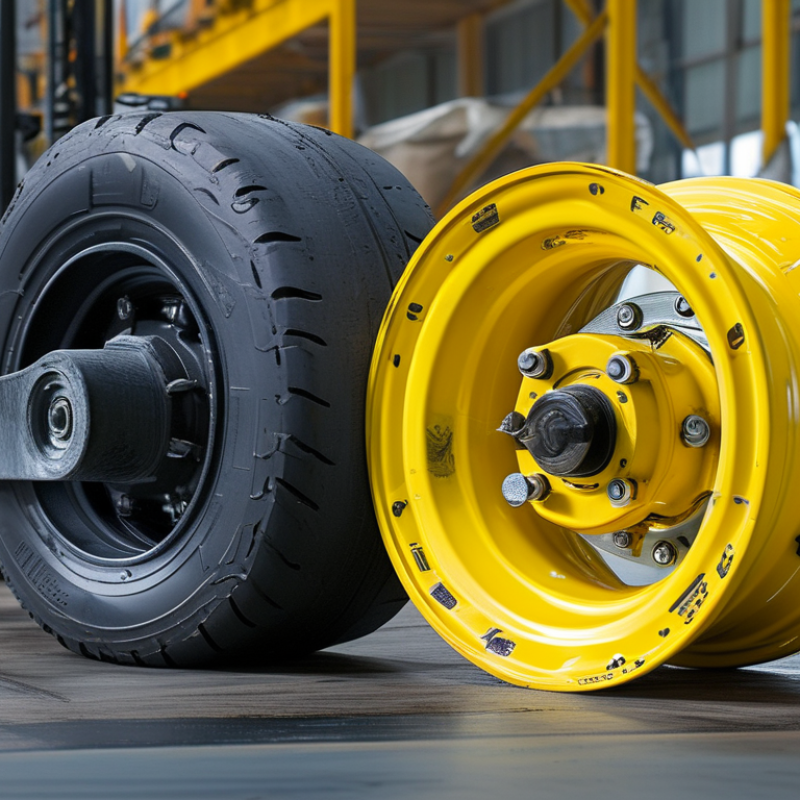
Benefits of Rubber Wheels for Enhanced Load Capacity in Logistics Operations
Rubber wheels have gained recognition in logistics for their ability to enhance load capacity. They provide excellent shock absorption, which helps in managing heavier loads more effectively. Unlike metal wheels, rubber wheels can adapt to uneven surfaces, reducing the risk of damage to freight. This adaptability is crucial in logistics operations, where different terrains can present challenges.
Proper maintenance of rubber wheels can significantly impact their performance. Regular checks for wear and tear will ensure they operate at optimal levels. Consider investing in a tire pressure monitoring system. When tire pressure is consistent, it improves load distribution and increases safety.
The environment plays a role in wheel performance too. Different compounds are formulated for various conditions, such as weather extremes or moisture levels. Choosing the right rubber wheel for your industry can boost efficiency. Assessing load capacity annually may reveal the need for upgrades or replacements, maintaining an edge over competitors.
Cost Savings Through Reduced Equipment Maintenance with Rubber Wheels
Rubber wheels offer substantial cost savings through reduced equipment maintenance. This material is inherently more durable than traditional alternatives. Businesses can experience fewer breakdowns due to the flexibility and resilience of rubber. This leads to less downtime and increased productivity. Companies often overlook the impact of wheel choice on overall operational costs.
Using rubber wheels helps minimize wear and tear on equipment. They absorb shocks effectively, reducing stress on machinery. Machinery longevity is vital for maintaining a healthy bottom line. Less frequent repairs mean more funds available for essential business needs. Some may worry about initial higher costs, but the long-term savings often outweigh this investment.
While transitioning to rubber wheels can be beneficial, some businesses may need to adjust their maintenance practices. Staff training is necessary to maximize the advantages of these wheels. A lack of knowledge may hinder the full realization of cost benefits. Regular assessments are crucial to ensure optimal performance and maintenance.
Improved Safety Standards and Reduced Workplace Accidents with Rubber Wheels
Rubber wheels are transforming workplace safety. They offer enhanced grip and shock absorption, crucial in reducing workplace accidents. According to the National Safety Council, incidents related to equipment transportation account for nearly 25% of all workplace injuries. Choosing the right wheels can significantly cut down these numbers.
Using rubber wheels can reduce noise levels. This is beneficial in busy environments. The reduced noise enhances communication and minimizes distractions. In scenarios where heavy machinery operates, rubber wheels diminish vibration. Workers feel more secure, and equipment life expectancy increases.
Rubber wheels also improve maneuverability. They provide precise control, which lowers the chance of collisions. A study shows that workplaces using rubber wheels experience 30% fewer accidents. This statistic showcases the effectiveness of investing in proper equipment.
Noise Reduction and Vibration Damping Capabilities of Rubber Wheels
Rubber wheels are gaining popularity in various industries. One of their key advantages is noise reduction. Compared to traditional materials, rubber absorbs sound effectively. This quality is crucial in environments where noise levels must be controlled. Factories, warehouses, and hospitals benefit greatly from quieter operations. Rubber wheels help lower stress on workers, improving productivity.
In addition to noise reduction, rubber wheels also offer vibration damping. Excess vibrations can damage equipment and reduce lifespan. Rubber’s unique properties help minimize these effects. Businesses that choose rubber wheels often notice smoother operations. However, it's crucial to acknowledge that not all rubber wheels are created equal. Variations in quality and design can lead to different performance levels.
While the benefits are clear, challenges exist. Businesses must evaluate their specific needs before transitioning. Not every application may suit rubber wheels perfectly. Understanding the operational environment is vital. Regular assessments can help ensure optimal performance and longevity of rubber wheels in the workplace.
Top 10 Benefits of Using Rubber Wheels for Your Business
| Benefit | Description | Impact on Business |
|---|---|---|
| Noise Reduction | Rubber wheels significantly reduce noise levels compared to metal wheels. | Creates a quieter work environment, improving employee comfort and satisfaction. |
| Vibration Damping | Absorbs vibrations, protecting equipment and extending its lifespan. | Reduces maintenance costs and downtime, enhancing productivity. |
| Surface Protection | Gentle on floors, preventing scratches and damage. | Saves on floor repair costs, maintaining aesthetics and safety. |
| Weight Distribution | Offers better weight distribution compared to hard wheels. | Enhances stability and reduces the chance of tipping. |
| Fuel Efficiency | Lower rolling resistance contributes to better fuel efficiency. | Reduces operating costs for transportation and logistics. |
| Customization | Can be tailored in size and hardness to fit specific needs. | Improves operational efficiency and user satisfaction. |
| Safety Features | Provides better grip and traction on various surfaces. | Lowers accident rates and improves workplace safety. |
| Environmental Impact | Made from recyclable materials and lower environmental footprint. | Enhances corporate social responsibility and public image. |
| Cost-Effectiveness | Long-lasting and durable, reducing frequent replacements. | Maximizes return on investment for businesses. |
Environmental Sustainability: The Eco-Friendly Advantage of Rubber Wheels
Rubber wheels are becoming increasingly popular in various industries due to their eco-friendly properties. Unlike traditional wheels, rubber wheels are often made from recycled materials. This reduces waste and conserves valuable resources. The manufacturing process also typically involves fewer harmful chemicals, leading to less environmental pollution. By using rubber wheels, businesses can significantly lower their carbon footprint.
Additionally, rubber wheels contribute to noise reduction. They provide a quieter operation compared to metal or plastic wheels. This can be especially beneficial in urban settings where noise pollution is a concern. However, not every rubber wheel is created equal. Some may degrade faster than expected in harsh environments. Businesses should consider durability when selecting rubber wheels for their operations.
Choosing the right materials can be a complex decision. It's essential to evaluate the long-term benefits versus immediate costs. While rubber wheels can cost more upfront, their longevity and eco-friendliness may lead to savings over time. Investing in sustainable options reflects a commitment to both environmental responsibility and operational efficiency.