Best 430 Stainless Steel Strips for Global Buyers?
In the world of manufacturing, finding the right materials is crucial. 430 Stainless Steel Strips emerge as a popular choice among global buyers. Their unique properties make them ideal for a variety of applications. These strips offer excellent resistance to corrosion and oxidation. They are commonly used in automotive parts and kitchen appliances.
With experience in the industry, we understand the complexities of selecting quality materials. Not all 430 Stainless Steel Strips are created equal. Buyers must consider factors like thickness, width, and surface finish. Some suppliers may not meet the required standards, leading to potential challenges. Therefore, it's essential to evaluate suppliers thoroughly.
Choosing the right 430 Stainless Steel Strips can impact operational efficiency and product quality. It is a decision that requires careful thought. While many options exist, finding reliable sources can be time-consuming. Each choice carries weight in terms of performance and longevity. As you navigate this market, stay informed and vigilant.
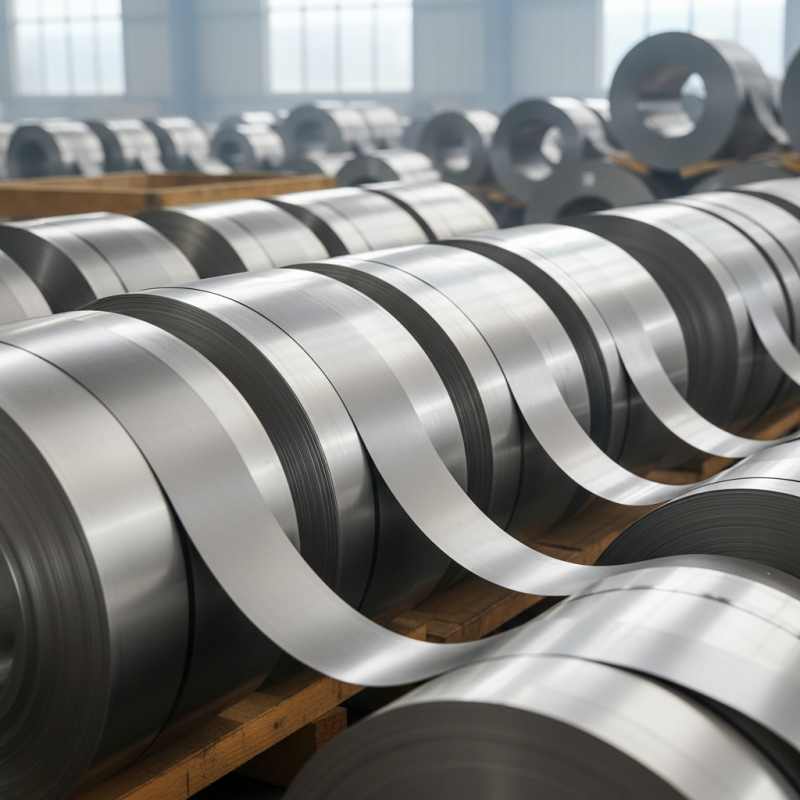
Understanding 430 Stainless Steel: Composition and Properties
430 stainless steel is a popular material, known for its unique composition and beneficial properties. It primarily consists of iron, chromium (16-18%), and a small percentage of carbon (up to 0.12%). This composition gives 430 stainless steel excellent resistance to oxidation and corrosion, making it ideal for various applications, especially where aesthetics and practicality intersect.
In terms of mechanical properties, 430 stainless steel features a yield strength of about 280 MPa and a tensile strength of roughly 450 MPa. These values signify that it can withstand significant stress while maintaining durability. However, it is important to note that this grade is slightly less ductile than some austenitic stainless steels. Its hardness can range from 150 to 200 Brinell, which indicates a solid yet adaptable structure for many designs.
Although 430 stainless steel has many advantages, challenges exist. For instance, its magnetic properties can pose issues in certain applications, especially in electronics. Additionally, while it performs well in many environments, it may not be suitable for high chloride conditions. Crafting products with this material requires careful consideration of these factors to ensure performance reliability.
Market Demand: Analyzing Global Trends for Stainless Steel Strips
Global demand for 430 stainless steel strips is on the rise. These strips are widely used in automotive, construction, and kitchenware industries. Buyers are keen on cost-effective solutions that maintain quality. The versatility of 430 stainless steel makes it appealing. It is known for its corrosion resistance, excellent formability, and aesthetic value.
Analyzing market trends shows varying preferences across regions. For instance, Europe emphasizes sustainability and recyclability. In contrast, Asian markets focus on affordability and immediate availability. This disparity creates challenges for suppliers. Keeping up with these changing demands requires adaptation and innovation.
Stakeholders must consider potential flaws in current sourcing strategies. Some may overlook the importance of local suppliers, which could hurt delivery times. Others might assume that all grades of 430 stainless steel are equal. Recognizing these nuances is crucial for success in a competitive market.
Top Manufacturers of 430 Stainless Steel Strips Worldwide
The global market for 430 stainless steel strips is growing rapidly, driven by various industries. Key manufacturers are essential players in this landscape. Their expertise ensures high-quality production of stainless steel strips, used across automotive, construction, and kitchenware sectors. According to recent reports, the global demand for stainless steel, particularly the 400 series, reached approximately 10 million metric tons in 2022. This trend highlights the importance of reliable suppliers.
Among the top manufacturers, innovation and sustainability are vital for success. Many companies are investing in advanced production techniques, aiming to improve yield and reduce waste. For instance, some facilities have reported reducing scrap rates to below 5% through enhanced processes. However, challenges remain in meeting the evolving market demands while maintaining quality standards.
The competition is intense, pushing manufacturers to adopt best practices. Collaboration with research institutions is crucial for developing new alloys and improving properties. Industry stakeholders need to stay informed about the latest advancements. It is essential to address market fluctuations and price volatility, which can affect supply chains. The path forward requires continuous investment in technology and workforce training.
Quality Standards: Certifications for 430 Stainless Steel Products
Quality assurance in the manufacturing of 430 stainless steel strips is crucial for global buyers. Certifications play a vital role in ensuring that products meet industry standards. Many organizations, including ASTM and ISO, provide guidelines that materials must adhere to. Certified products can guarantee key attributes such as corrosion resistance and durability.
In recent reports, approximately 72% of buyers prioritize certified materials. This factor influences purchasing decisions significantly. The demand for quality-certified 430 stainless steel strips has been rising steadily, with projections indicating a growth rate of 4.5% annually through 2027. This trend emphasizes the importance of having quality standards in place. Buyers must remain vigilant about certifications to avoid subpar materials that could lead to project failures.
Not all steel products undergo rigorous testing. This poses risks for manufacturers and end-users alike. Reports suggest that about 15% of non-certified materials in the market do not meet established quality benchmarks. It’s a reminder for buyers to verify certifications and ensure they are sourcing from reputable suppliers. This approach can mitigate risks and ensure the longevity and reliability of their projects.
Applications of 430 Stainless Steel Strips in Various Industries
430 stainless steel strips are versatile materials widely used across different industries. Their corrosion resistance and aesthetic appeal make them ideal for various applications. In the automotive sector, these strips serve in exhaust systems and decorative trims. According to the Global Automotive Steel Market Report, the demand for these materials is projected to grow by 5% annually through 2025.
In the kitchen appliance industry, 430 stainless steel strips are commonly found in ovens, refrigerators, and sinks. Their ability to resist heat makes them suitable for high-temperature environments. The International Kitchen Appliances Association notes that 60% of new appliances now utilize this material, highlighting its growing significance.
Manufacturers must, however, ensure proper quality control in the production process. Despite their advantages, the misalignment in specifications can lead to subpar products. It raises questions about consistency in quality. While the market is expanding, challenges like supplier reliability remain. Addressing these issues is crucial for future growth and efficiency in utilizing 430 stainless steel strips across all sectors.
Best 430 Stainless Steel Strips for Global Buyers
| Industry | Application | Advantages of 430 Stainless Steel | Thickness Range (mm) |
| Automotive | Exhaust systems, trim components | Good formability, corrosion resistance | 0.3 - 3.0 |
| Construction | Railings, cladding | Durability, aesthetic appeal | 0.5 - 4.0 |
| Kitchenware | Cooking utensils, sinks | Hygiene, easy maintenance | 0.4 - 2.5 |
| Electronics | Casing and structural components | Non-magnetic properties, strength | 0.2 - 1.5 |
| Manufacturing | Conveyor belts, machine parts | Cost-effective, versatile | 0.5 - 3.5 |