What is the Best Dredging Grab for Global Procurement?
In the complex world of dredging, selecting the best dredging grab can be challenging. Leading experts emphasize the importance of quality. Dr. Emily Carter, a seasoned dredging engineer, once stated, "Choosing the right dredging grab can make or break a project." Her insights highlight the critical role that these tools play in procurement.
Dredging grabs vary significantly in design and functionality. Factors such as material, capacity, and operational efficiency must be considered. Many contractors overlook these details during procurement, leading to inefficient operations. Effective dredging grabs are vital for success, especially in large-scale projects.
The industry demands reliability and precision. However, not every dredging grab meets these essential criteria. This uncertainty necessitates a careful evaluation of suppliers. Buyers must reflect on their choices and consider expert guidance to make informed decisions. Adopting a proactive approach in selecting the right dredging grab can lead to improved project outcomes.
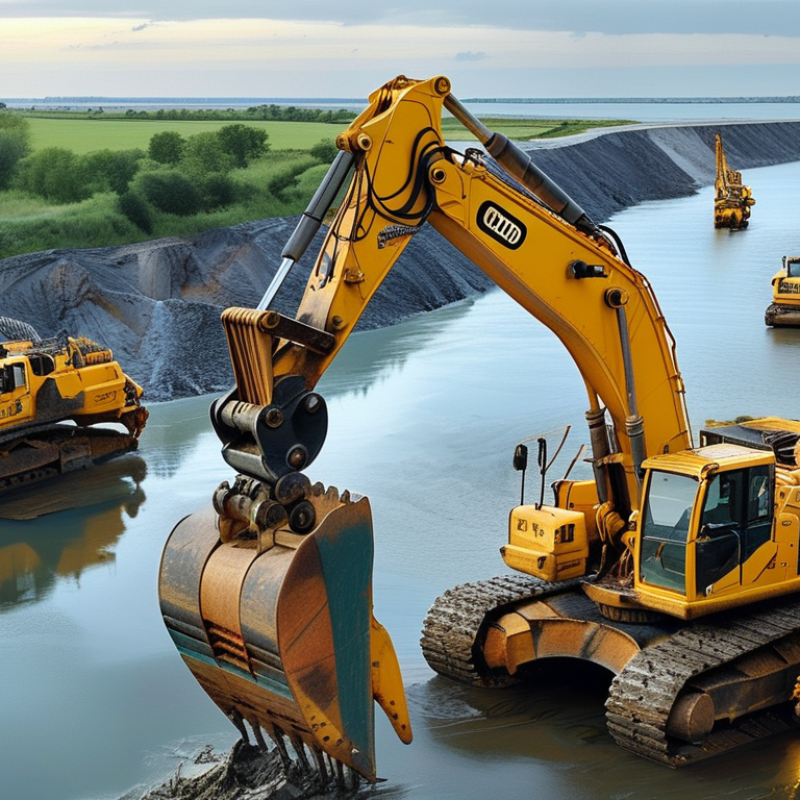
Factors Influencing the Selection of Dredging Grabs in Global Procurement
When selecting the best dredging grab for global procurement, several key factors must be considered. First, the type of material being dredged plays a crucial role. Different materials, such as sand, silt, or hard rock, require different grab designs and capacities. Evaluating the specific conditions of the dredging site can influence the choice significantly.
Maintenance and durability are also critical. A grab that can withstand harsh conditions will reduce downtime. Look for features that enhance strength and resilience. The grab's weight and operational speed directly affect efficiency and productivity. A well-balanced grab can improve handling during dredging operations.
**Tips:**
Ensure to analyze past projects. Gathering data on equipment performance can provide insights for future choices.
Consider local supply chains for parts and support. Quick access to maintenance can change project timelines.
Also, reflect on operator training. Even the best grab loses effectiveness in untrained hands.
Types of Dredging Grabs: An Overview of Common Models and Their Uses
Dredging grabs are essential tools for excavation and material handling in marine environments. Various types exist, each designed for specific tasks. Common models include clamshell grabs, which open and close like a claw. These grabs excel in picking up loose materials like sand and gravel. Their versatility makes them popular for different dredging projects.
Another model is the hydraulic grab, which utilizes hydraulic power for better control. This type is effective in handling heavier materials, such as clay and sediment. The design allows for precision, ensuring that the correct amount of material is retrieved while minimizing environmental disruption. Operators often favor this model, but it requires skill and experience to operate effectively.
Considering the right grab for your project can be challenging. It's important to assess the material type and environmental conditions. Many projects face unforeseen challenges, such as varying soil composition and water depth. Understanding these factors can lead to a more efficient dredging process. Each model has its strengths and weaknesses, so careful consideration is key.
Comparison of Material Strength in Dredging Grabs: Steel vs. Composite
When it comes to dredging grabs, material strength is crucial. Steel and composite materials each offer distinct advantages and challenges. Steel grabs are widely recognized for their durability. According to a recent industry report, steel has a tensile strength of approximately 400 MPa. This strength allows steel grabs to handle tough materials like rock and sediment without deformation.
Composite grabs, however, present a lighter alternative. They often weigh 40% less than their steel counterparts. This reduction in weight can significantly improve operational efficiency. Industry data indicates that composite materials can still maintain a tensile strength of around 300 MPa. While this is lower than steel, composite grabs excel in corrosion resistance, reducing maintenance costs over time.
Despite these advantages, each material has limitations. Steel grabs can rust, leading to higher maintenance. On the other hand, composite grabs may face challenges in extreme temperatures. Therefore, choosing the right grab requires careful consideration of both the project requirements and environmental factors.
Market Trends in Dredging Grab Manufacturing: Key Players and Innovations
The dredging grab industry has witnessed notable innovations recently. Manufacturers are focusing on lighter materials that increase efficiency and reduce operational costs. Advanced designs improve the grab's ability to handle various sediment types. These developments cater to the evolving needs of global procurement.
Key players are investing in research and development. Innovations include hydraulic-powered grabs that enhance performance and reduce wear. Companies explore eco-friendly materials, aligning with sustainability goals. However, some designs face scrutiny for durability under extreme conditions. Ongoing feedback from dredging fleets helps refine these products.
Market trends indicate a growing emphasis on automation. Smart technologies are becoming commonplace in dredging grabs. These advancements promise improved accuracy and safety during operations. Yet, there's an ongoing challenge in balancing automation with operator training. The future of dredging grabs reflects a dynamic industry, eager to adapt to environmental and logistical demands.
Environmental Regulations Impacting Dredging Grab Design and Selection
When selecting the best dredging grab for global procurement, environmental regulations play a vital role. These guidelines impact the design and functionality of dredging equipment, aiming to minimize ecological disruption. Modern grabs must be engineered for efficiency while reducing their environmental footprint. Utilizing lighter materials, for instance, can lessen the overall impact during dredging operations.
Compliance with regulations means considering local wildlife and habitats. This can affect the choice of hydraulic systems and material types used in construction. Grabs designed with advanced functionality often lead to better waste management. However, balancing effectiveness and environmental concern poses challenges. Not all designs achieve this perfect balance.
Tips: Always consult environmental experts. They can provide insights specific to your operational area. Regular training on compliance is essential for crew members. This ensures that every aspect of dredging operations aligns with regulations. Remember, overlooking these elements may lead to costly fines or project delays.
Environmental Regulations Impacting Dredging Grab Design