Best Electric Pumps for Home and Industrial Use 2026?
As we approach 2026, the demand for electric pumps continues to rise. These essential devices play a vital role in both home and industrial applications. Many homeowners and businesses rely on electric pumps for various tasks. From irrigation systems to drainage solutions, their versatility is unmatched.
Choosing the right electric pump can be daunting. There are numerous options in the market. Each model has its pros and cons. Users often find themselves overwhelmed by features. They may prioritize power or efficiency but overlook durability. This can lead to unexpected issues and costly repairs.
In this guide, we explore the best electric pumps available for 2026. We focus on options suitable for different needs. Our selection aims to assist buyers in making informed choices. Keep in mind that each option has its unique strengths and weaknesses. Reflecting on personal requirements is crucial in this decision-making process.
Best Electric Pumps for Home and Industrial Use 2026
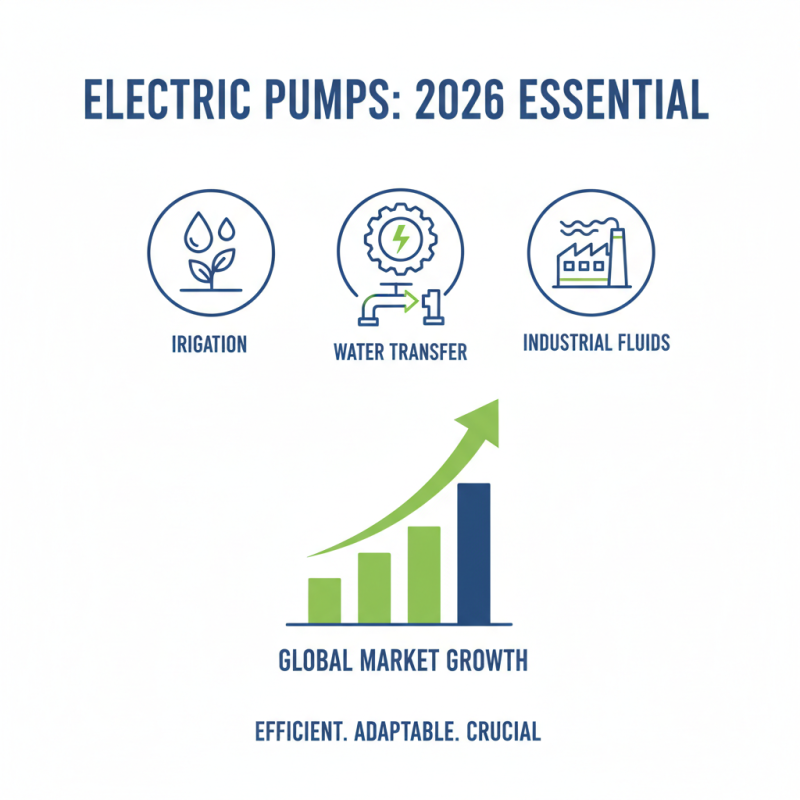
In 2026, electric pumps are essential for both home and industrial applications. These devices are designed for efficiency. They adapt to various tasks such as irrigation, water transfer, and general fluid movement. According to a recent industry report, the global electric pump market is expected to grow significantly, highlighting their increasing importance.
Homeowners often overlook the need for efficient pumps. An inadequate pump can lead to higher energy costs. The average household could save up to 30% on energy bills with the right selection. Meanwhile, in industrial settings, these pumps are critical for operations. A miscalculation in pump size or type could result in costly downtimes.
Yet, challenges remain. Many users are unaware of maintenance needs. Regular checks can prevent failures. Data shows that 25% of electric pump issues stem from neglect. Additionally, users may not know their specific requirements. This leads to poor choices. For optimal performance, it's crucial to understand the specifics of each application.
Types of Electric Pumps: Overview of Home and Industrial Applications
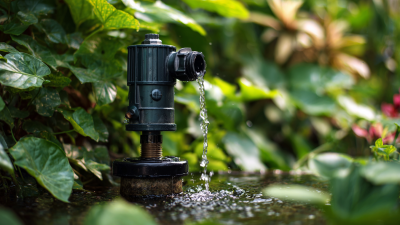
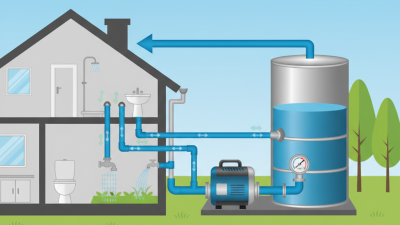
Electric pumps are essential in various home and industrial applications. They offer convenience and efficiency. In homes, they are commonly used for watering gardens, draining pools, and supplying water to appliances. For instance, a submersible pump can efficiently remove water from flooded basements. Meanwhile, utility pumps handle lighter tasks, like transferring water from one location to another.
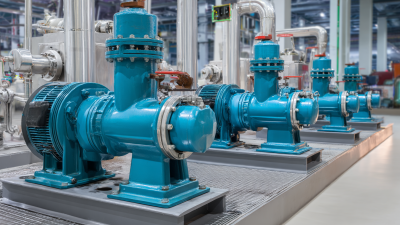
In industrial settings, electric pumps power larger systems. They support processes in manufacturing, agriculture, and construction. For example, centrifugal pumps are prevalent in factories for moving liquids. However, misuse can lead to operational failures. Proper maintenance is often neglected, causing performance issues. Also, workers may not fully understand the pump’s capacity, leading to inefficiencies.
Different types of pumps cater to specific needs. Positive displacement pumps move fluid by trapping it in a chamber. They are effective against high-viscosity liquids. Yet, users must ensure they select the right type for their situation. Overall, understanding the applications and limitations of each pump type can enhance efficiency.
Best Electric Pumps for Home and Industrial Use 2026
| Type of Pump |
Application |
Power Rating (HP) |
Flow Rate (GPM) |
Max Head (Feet) |
| Submersible Pump |
Water Removal |
1 - 3 |
20 - 50 |
30 - 50 |
| Centrifugal Pump |
Irrigation |
1 - 10 |
20 - 300 |
50 - 100 |
| Diaphragm Pump |
Chemical Transfer |
0.5 - 5 |
10 - 80 |
25 - 60 |
| Positive Displacement Pump |
Fuel Transfer |
0.5 - 7 |
10 - 140 |
20 - 70 |
| Inline Pump |
Water Circulation |
1 - 8 |
15 - 200 |
40 - 90 |
Key Features to Consider When Choosing an Electric Pump
When selecting an electric pump, several key features stand out. The flow rate is crucial. It determines how much liquid the pump can move within a specific time. A higher flow rate is typically better for immediate needs. Think about the size of the project. A small garden needs less power than a large industrial site.
Consider the pump's materials too. Durable materials resist corrosion and extend the pump's life. Plastic might work for some liquids, while metals are better for others. Look into energy efficiency as well. A more efficient pump saves money over time. This can be crucial for industrial usage, where energy costs add up quickly.
Do not overlook the noise level. Some pumps are quieter than others. If you are near residential areas, you might want a quieter option. User-friendliness is another aspect to keep in mind. A complex design might be frustrating for casual users. A clear manual and good customer support can help smooth the experience.
Think about all these aspects carefully when choosing your electric pump.
Top Brands and Models of Electric Pumps for 2026
When looking for electric pumps in 2026, many options stand out. The market is filled with various models designed for both home and industrial use. Understanding their specifications can help you choose the right one. These pumps are often evaluated based on efficiency, durability, and price.
Some models excel in energy conservation, making them cost-effective over time. However, not all pumps are created equal. Some may falter, particularly under heavy-duty conditions. It's worth noting that maintenance plays a crucial role in their performance. Research shows that neglecting upkeep can lead to decreased efficiency and higher energy consumption.
Consumer feedback highlights the need for more reliable models. Many users report issues with certain features or subpar after-sales service. Yet, innovation continues to bring forth advanced technology. It’s essential to stay informed and consider user experiences before making a purchase. This way, you can ensure a better fit for your requirements.
Maintenance Tips for Ensuring Longevity of Electric Pumps
Electric pumps are essential for various tasks in homes and industries. To ensure these pumps fulfill their purpose effectively, maintenance is vital. Basic upkeep can significantly enhance performance.
Regular checks can prevent major issues. Always monitor the pump’s pressure and flow rate. Low performance may indicate a blockage or wear. Clean the filters regularly to keep them from clogging. A simple wash can do wonders.
Lubrication is another key aspect. Use appropriate lubricants for moving parts. Over time, friction can cause wear and tear. If you hear unusual noises, it may indicate a lack of lubrication. Consider a routine schedule to check this.
Don’t ignore signs of wear. Cracks or leaks should be addressed immediately. Delay could lead to bigger problems. Regular maintenance is a small investment for longevity. It’s often better to be proactive than reactive. Taking these small steps can prolong the life of your electric pump significantly.
Best Electric Pumps for Home and Industrial Use 2026
This chart illustrates the efficiency ratings of electric pumps used for home and industrial purposes in 2026. Home use pumps show an efficiency of 85%, while industrial pumps boast a higher efficiency of 90%, reflecting advancements in technology and design.
Conclusion
In 2026, the demand for electric pumps continues to grow in both home and industrial applications, driven by their efficiency and versatility. This article provides an overview of the various types of electric pumps suitable for different uses, highlighting their key features, such as energy efficiency, flow rate, and motor power. When selecting an electric pump, it is crucial to consider these attributes to ensure optimal performance for specific tasks.
Additionally, the article discusses the leading brands and models in the electric pump market for 2026, offering insights into their unique capabilities. Maintenance plays a vital role in prolonging the lifespan of electric pumps, and readers will find useful tips on upkeep to maximize efficiency. Finally, a comparative analysis between electric pumps and traditional pumps illustrates the benefits and drawbacks of each, helping consumers make informed choices for their pumping needs.