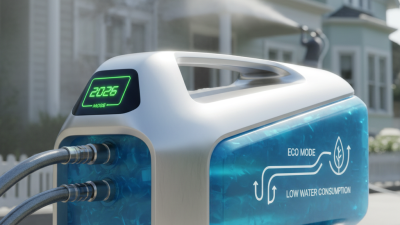
Best Soft Wash Pump Options for Efficient Cleaning Solutions?
In the quest for efficient cleaning solutions, the soft wash pump plays a pivotal role. According to the U.S. Pressure Washer Manufacturers Association, the soft washing market has seen a significant growth of over 20% in recent years. This growth is largely due to the rising demand for eco-friendly cleaning methods that preserve the integrity of surfaces. Soft wash pumps utilize lower pressures, making them ideal for delicate surfaces like roofs and siding.
Many industry professionals emphasize the importance of choosing the right soft wash pump. A poorly selected pump can lead to ineffective cleaning or damage to surfaces. Data from cleaning industry reports indicates that around 30% of users experience dissatisfaction due to equipment choices. It's crucial to assess desired objectives—whether it's for residential or commercial applications—to find the best fit.
As we explore the top soft wash pump options available, we will examine their features, efficiency, and suitability for different cleaning tasks. This analysis aims to serve as a practical guide for both novices and experienced cleaners looking to enhance their cleaning toolkit.
Understanding Soft Wash Pumps and Their Mechanism
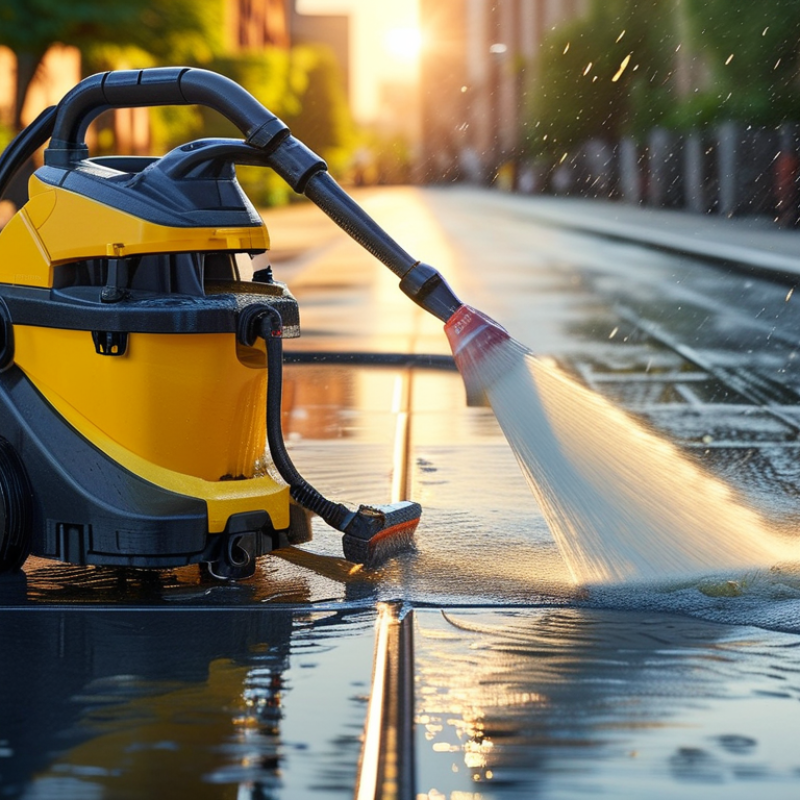
Soft wash pumps are essential for effective cleaning. They use low pressure to apply cleaning solutions safely. This method is less harmful to surfaces compared to high-pressure washing. Understanding how these pumps operate can enhance your cleaning results.
The mechanism of soft wash pumps relies on their ability to mix water with detergents. This mixture is then applied evenly over surfaces. The lower pressure helps prevent damage to delicate materials, making it ideal for roofs and sidings. Regular maintenance is crucial to ensure longevity. Always check the hoses and connections for wear.
Tips: When using a soft wash pump, adjust the nozzle for optimal spray width. Test on a small area first to gauge effectiveness. This practice helps avoid damage and provides insight into the cleaning power of your solution. Remember, effective cleaning is about precision, not just power. Consider your surfaces carefully.
Types of Soft Wash Pumps Suitable for Different Cleaning Tasks
When it comes to soft wash pumps, selecting the right type for your cleaning tasks is crucial. There are three main categories of soft wash pumps: electric, gas-powered, and diaphragm pumps. Electric pumps are ideal for smaller jobs like patios and vehicle washing, providing efficiency in urban areas. Gas-powered pumps, on the other hand, are powerful and perfect for larger projects, such as roof cleaning or commercial use. Diaphragm pumps stand out for their ability to handle sensitive chemicals, making them suitable for delicate surfaces.
For effective cleaning, understanding the flow rate is essential. A higher flow rate can speed up the process but may result in overspray or wasted cleaning solutions. Always consider your target surface. Pressure washing wooden decks requires a lower pressure to avoid damage. Meanwhile, concrete surfaces can endure higher pressure levels.
Tips for users: Always test a small area first. This helps prevent mishaps. Regular maintenance of your pump ensures better performance. Clean filters and check for leaks. Also, wearing protective gear can enhance safety during work. Remember to adjust your technique based on the surface type to achieve the best results.
Key Features to Consider When Choosing a Soft Wash Pump
When selecting a soft wash pump, several key features warrant careful consideration. A pump’s flow rate is critical for efficiency. Industry research indicates that a flow rate between 1.5 and 4 gallons per minute (GPM) is optimal for residential cleaning tasks. This ensures adequate coverage while reducing the time spent on each job. Many professionals recommend pumps with adjustable pressure settings, allowing for tailored application depending on the surface being cleaned.
Another vital aspect to assess is the pump’s durability. Soft wash pumps constructed from high-quality materials, such as stainless steel and reinforced plastics, can withstand harsh cleaning agents. According to studies, pumps with corrosion-resistant properties last longer and require fewer replacements. However, not all manufacturers adhere to these standards, leading to inconsistencies in quality.
Lastly, consider the ease of use. A well-designed pump should be simple to maneuver and transport. Some models even offer quick-connect fittings, making setup faster. However, it’s crucial to remember that higher efficiency doesn't always guarantee effectiveness. For instance, a powerful pump that is cumbersome can detract from the user experience. Striking a balance between power and practicality is essential for best results.
Comparative Analysis of Top Soft Wash Pump Brands and Models
When choosing a soft wash pump, various brands and models stand out in the market. Each pump offers different specifications and features that suit various cleaning tasks. Performance factors include pressure output, flow rate, and compatibility with cleaning solutions. An efficient pump often has a lightweight design for easy maneuverability, which is crucial during extended cleaning sessions.
Some models excel in performance yet may fall short in durability. Users report wear and tear on parts after frequent use. Others may be durable but lack the necessary power for tough stains. It’s essential to weigh these factors based on your specific needs. Additionally, customer feedback reveals that ease of maintenance varies significantly among pumps. This can influence long-term satisfaction and reliability.
Many factors contribute to a pump’s overall efficiency. Make sure to consider noise levels, especially if you work in populated areas. Investing in a model that balances power, durability, and user-friendly features can lead to effective cleaning solutions. Always consult user reviews and expert guidelines to make a well-informed decision. Achieving optimal results requires not just the right equipment, but an understanding of how each feature impacts your cleaning projects.
Best Soft Wash Pump Options for Efficient Cleaning Solutions
This chart compares the cleaning efficiency of various soft wash pump models, measured in units cleaned per hour. Model C stands out with the highest efficiency, providing an effective solution for efficient cleaning operations.
Maintenance Tips for Ensuring Longevity of Soft Wash Pumps
Soft wash pumps are essential tools for effective cleaning. However, proper maintenance is key to their longevity. Regular checks on seals and hoses can prevent leaks. A small crack can lead to major issues. Keep an eye out for any signs of wear. Cleaning the pump itself regularly will help maintain its efficiency. Dust and debris can build up and impact performance.
Storing soft wash pumps in a dry, sheltered area helps prevent corrosion. Extreme temperatures can damage components. It's wise to run a vinegar solution through the system periodically. This helps in cleaning out buildup. Pay attention to the pressure settings, as incorrect settings can strain the equipment. Listening for unusual sounds during operation can also alert you to potential problems.
A soft wash pump may fail if not cared for adequately. Annual professional servicing is a good investment. An expert can spot issues that may go unnoticed. Understanding your pump's specific requirements is important. Every model may have unique needs that require attention. Keeping a maintenance log can assist in this process. Use it to track what works and what doesn’t.
Related Posts
-
2026 Top Soft Wash Pump Innovations for Effective Cleaning Solutions?
-
What is a High Pressure Pump and How Does it Work?
-
What is a Small Submersible Pump? Key Features, Benefits, and Industry Insights for Efficient Water Management
-

Top 10 Soft Wash Pumps for Global Buyers in 2026?
-
How to Choose the Right Diaphragm Pump for Your Needs?
-
Exploring the Efficiency of Electric Transfer Pumps: A Detailed Study on Flow Rates and Energy Consumption Trends