Best Submersible Water Pump for Your Home Needs?
When it comes to maintaining a home, having the right tools is crucial. A reliable submersible water pump is essential for managing water removal effectively. According to industry reports, around 30% of homeowners face water-related issues annually. This statistic highlights the significant need for such pumps.
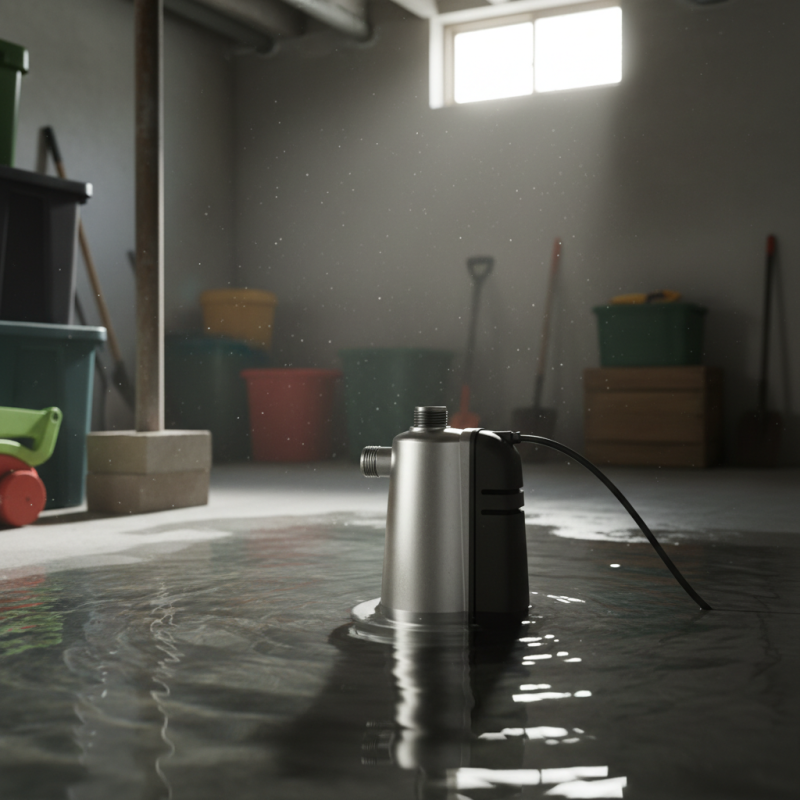
A quality submersible water pump can provide quick and efficient water management. It is designed to operate while submerged, making it ideal for flooded basements or garden drainage. Estimates suggest that a good pump can remove water at a rate of 3,000 to 4,000 gallons per hour. However, many users do not consider factors like pump size or power usage. Such oversights can lead to suboptimal performance.
Homeowners often purchase submersible water pumps without proper research, risking inefficiency. It's vital to understand the specific requirements of your home. Choosing the wrong model may lead to higher energy costs or insufficient water removal. Quality varies significantly among brands, making thorough research essential to find the best submersible water pump.
Types of Submersible Water Pumps for Home Use
When choosing the right submersible water pump for home use, it’s essential to understand the different types available. There are primarily three types: utility pumps, sewage pumps, and deep well pumps.
Utility pumps are versatile. They can handle light to moderate water removal tasks. These pumps are effective for draining flooded basements or emptying pools.
Sewage pumps, on the other hand, are designed for more demanding applications. They can handle solids up to 2 inches in diameter. Thus, they're ideal for homes with basements that require wastewater removal.
According to a recent industry report, over 50% of homeowners face drainage issues. A suitable sewage pump can help alleviate these problems.
Deep well pumps are necessary for sourcing groundwater. They can reach depths of up to 300 feet, depending on the model. Such pumps are vital in areas where municipal water supply is limited. Yet, selecting a pump requires careful consideration.
Factors like flow rate, power source, and depth can complicate choices. Every homeowner's needs differ, making it necessary to evaluate specific requirements.
Key Features to Consider When Choosing a Submersible Pump
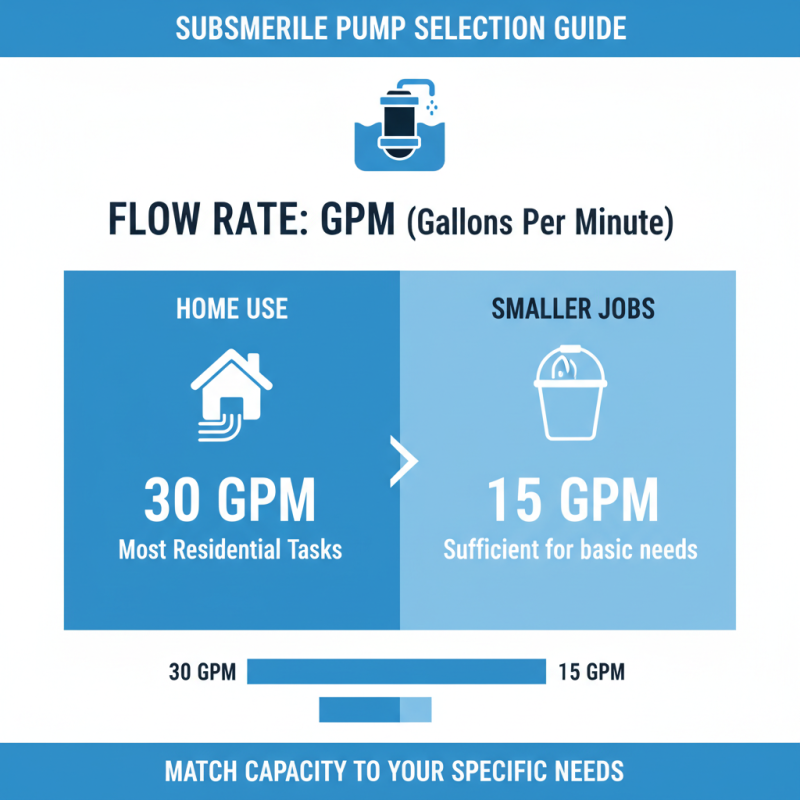
Choosing the right submersible pump involves assessing several key features. One of the most important factors is the pump's capacity. A pump's flow rate, typically measured in gallons per minute (GPM), determines how quickly it can remove water. For home use, a flow rate of 30 GPM can handle most residential tasks efficiently. However, some reports suggest that just 15 GPM can suffice for smaller jobs, underscoring the need to match capacity with specific requirements.
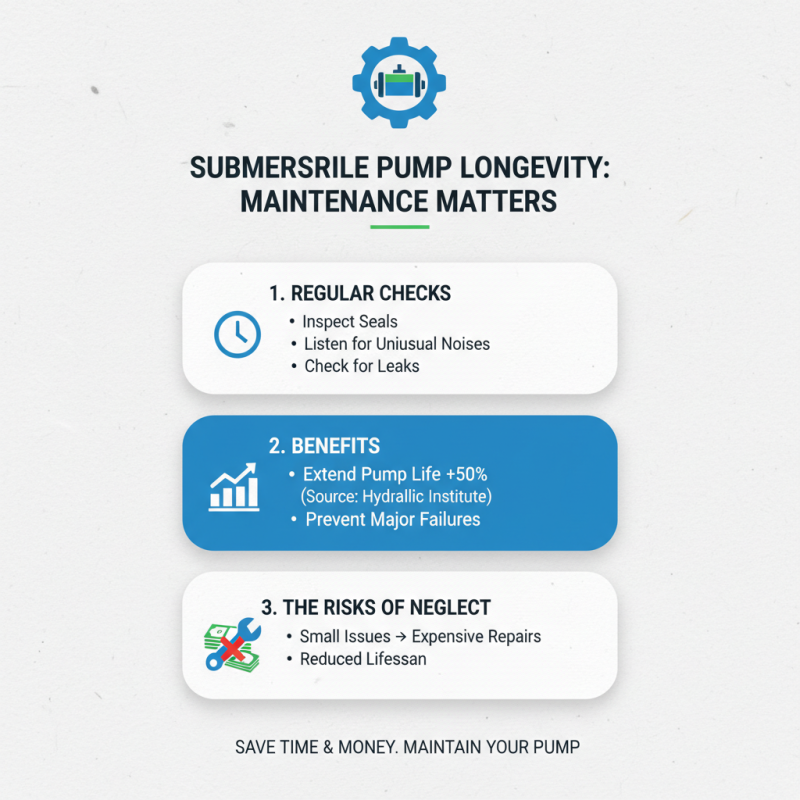
Durability is another critical feature. Submersible pumps operate under harsh conditions, often submerged in water and various sediments. Materials used in construction, like thermoplastics or stainless steel, greatly influence longevity. Data indicates that pumps made from these materials can last over 10 years with proper maintenance. Yet, many users neglect regular maintenance schedules. This oversight may lead to premature pump failure, a costly mistake that could have been avoided.
Power consumption also plays a role in selection. Look for energy-efficient models to save on electricity bills. Some studies suggest the energy costs of running a pump can be significant over time, almost 20% of the total operating cost. Still, many homeowners focus solely on initial purchase price, failing to consider long-term expenses. Balancing these features is essential for making the most informed choice.
Top Brands of Submersible Water Pumps: A Comparative Review
When selecting a submersible water pump, several brands stand out. Each offers unique features and price points. A recent industry report indicates that over 40% of homeowners face issues with water drainage. This highlights the need for reliable pumps. Users often overlook the importance of flow rate. A pump with a higher flow rate can remove water faster. However, higher capacity often comes with increased noise levels.
Energy efficiency is another critical factor. Studies show that pumps using less than 1 kW can save households up to 30% on energy bills annually. Yet, many consumers prioritize initial costs over long-term savings. It can lead to frequent replacements, costing more in the long run. Proper sizing is vital, too. Too small a pump will struggle with larger jobs. Conversely, an excessively powerful pump can lead to unnecessary wear and tear.
User feedback is essential. Many purchasers report dissatisfaction with customer service. A third-party review revealed that 25% of users experienced issues within the first year. These concerns emphasize the importance of researching warranties. Unfortunately, some pumps come with limited guarantees, leaving buyers unprotected. Balancing price, performance, and support is crucial in making an informed decision.
Best Submersible Water Pump for Your Home Needs? - Top Brands of Submersible Water Pumps: A Comparative Review
| Model |
Power (W) |
Max Flow Rate (GPH) |
Max Head (ft) |
Weight (lbs) |
Price ($) |
| Model A |
750 |
3000 |
25 |
15 |
120 |
| Model B |
900 |
4000 |
30 |
20 |
150 |
| Model C |
1000 |
5000 |
35 |
25 |
180 |
| Model D |
1200 |
6000 |
40 |
30 |
200 |
| Model E |
1500 |
7000 |
45 |
35 |
250 |
Installation Tips for Submersible Water Pumps at Home
When installing submersible water pumps at home, proper placement is crucial. Begin by selecting a flat, stable base. This ensures the pump operates efficiently and minimizes the risk of mechanical failure. According to the Pump Industry Analyst, a properly installed pump can last up to 15% longer. Avoid locations prone to flooding or heavy debris. Regular checks on the installation site can prevent future headaches.
Use reliable sealing methods during installation to protect electrical connections. A study published in the Water Management Journal notes that improper sealing can lead to corrosion. Corrosion reduces pump efficiency and lifespan. Ensure that discharge pipes are free from kinks. Kinks in pipes can reduce water flow and increase strain on the pump motor.
Regular maintenance is necessary. Check for clogs or wear in the pump components. A report from the National Association of Pump Manufacturers highlights that neglected upkeep can decrease pump efficiency by 20%. Fixing minor issues early can save on costly repairs. Remember, even small errors in installation can lead to significant problems later. Take the time to review guidelines and consider professional advice when needed.