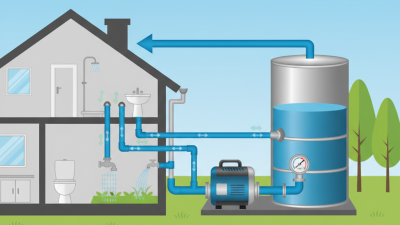
Best Water Pump for Water Tank How to Choose the Right One?
Choosing the best water pump for water tank can be daunting. There are many options in the market today. Each type has unique features and benefits that may suit your needs. Understanding these is crucial for making a wise choice.
Consider your water tank’s size and the purpose of the pump. Will you need it for irrigation or home use? The pump’s capacity should match your requirements. This decision affects efficiency and cost-effectiveness. Larger tanks may require more powerful pumps. Yet, a small pump may suffice for a simple setup.
Take time to research various models. User reviews can provide valuable insights. However, some reviews may not reflect real performance. Be cautious of this. It is also important to consider long-term maintenance costs. A cheaper pump initially may lead to higher costs later. Aim to balance price, durability, and performance. By doing so, you'll find the right water pump for your tank.
Understanding Different Types of Water Pumps for Water Tanks
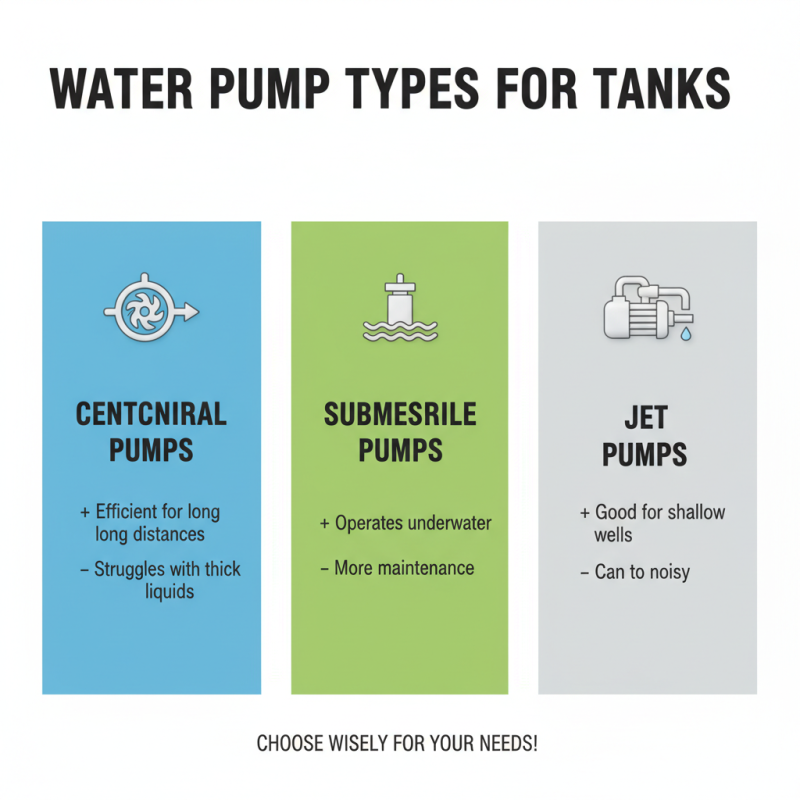
When selecting a water pump for your tank, understanding the types available is critical. There are three main types: centrifugal, submersible, and jet pumps. Each type has its advantages and drawbacks. Centrifugal pumps are efficient for transferring water over long distances. However, they may struggle with high-viscosity liquids. Submersible pumps are effective and can operate underwater. But they often require more maintenance than others.
According to a recent industry report by Research and Markets, water pump sales are projected to grow by 6% annually. This growth signifies an increasing demand for efficient water management solutions. Jet pumps are another option. They are great for deep well applications but can be less efficient compared to the other types. Understanding the depth of your water tank and the desired flow rate can significantly impact your choice.
Choosing the right pump can be confusing. Efficiency ratings, flow rates, and horsepower are vital metrics to consider. Many users report challenges in understanding these specifications. Doing thorough research before purchasing a pump can save time. Each pump type has specific applications and limitations that need careful consideration. Without understanding these differences, one might choose incorrectly.
Key Factors to Consider When Choosing a Water Pump
Choosing the right water pump for a water tank is crucial. Several key factors influence your decision.
The pump's flow rate is one of the most important. It measures how much water the pump can move in a specific time.
Industry reports suggest that a flow rate of at least 10 gallons per minute is suitable for most residential uses. However, higher demands may require more powerful pumps.
Pump type also matters. There are submersible and surface pumps.
Submersible pumps are generally more efficient. They work well for deeper tanks. Yet, surface pumps are easier to maintain. They often have a longer lifespan.
Depending on your space and needs, the choice must reflect practicality.
Power source is another consideration. Electric pumps are common, but not always available in remote areas.
Gasoline-powered pumps offer mobility. Still, they may not be as reliable. Look at your energy options and requirements.
Sometimes, it's good to reassess your specific circumstances.
Balancing efficiency, cost, and convenience is not always easy.
Assessing Pump Capacity and Flow Rate Requirements
When selecting a water pump for your tank, understanding the pump capacity and flow rate is crucial. The capacity indicates how much water the pump can handle. For most residential needs, a pump with a capacity of around 500 to 1500 gallons per hour is suitable. However, faster doesn't always mean better. A pump that is too powerful may create unnecessary pressure, leading to leaks.
Flow rate determines how quickly water moves. Think about the needs of your tank. If you fill it frequently, a higher flow rate is beneficial. Keep in mind that too high of a flow rate can disturb sediment in the tank. This can affect water quality. Regularly monitoring and adjusting your pump based on actual usage can help you avoid problems.
Consider your usage patterns as well. You may need a pump with adjustable settings. This allows you to customize according to your needs. Mistakes often happen when buyers ignore specifications. A pump that seems sufficient may underperform in reality. Balancing these factors can help you choose a pump that meets your needs effectively.
Best Water Pump for Water Tank: Assessing Pump Capacity and Flow Rate Requirements
| Pump Type |
Max Flow Rate (GPM) |
Max Head (Feet) |
Power Source |
Application |
| Submersible Pump |
25 |
30 |
Electric |
Water features, irrigation |
| Jet Pump |
20 |
50 |
Electric |
Deep well applications |
| Centrifugal Pump |
40 |
15 |
Gasoline |
Surface water, drainage |
| Diaphragm Pump |
10 |
25 |
Electric |
Chemical transfer, irrigation |
Evaluating Energy Efficiency and Operating Costs
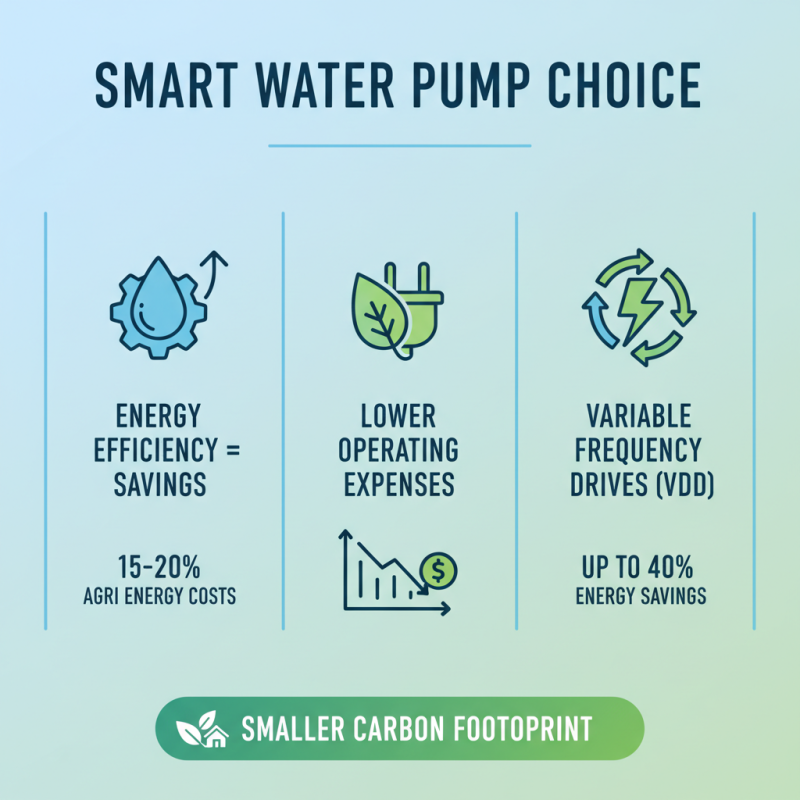
When choosing a water pump for your tank, energy efficiency is crucial. Reports indicate that water pumps can account for 15-20% of total energy costs in agricultural settings. Selecting an energy-efficient pump can reduce operating expenses significantly. For instance, models with variable frequency drives can save up to 40% more energy compared to traditional pumps. This means lower electricity bills and a smaller carbon footprint.
Operating costs should be factored into your decision. Along with energy use, consider maintenance costs. Some pumps require more frequent servicing, which adds to overall expenses. A reliable report from the U.S. Department of Energy suggests that poorly maintained pumps can waste up to 20% of energy. Regular checks can prevent inefficiencies, but they are often overlooked. Analyze lifespan versus cost as well; a cheaper pump may have a shorter lifespan and higher long-term costs.
Lastly, the energy source matters. Solar-powered pumps can be a viable option in remote areas, reducing reliance on the grid. However, they often come with higher upfront costs. Balancing these factors is not easy. Everyone wants a perfect solution. Yet, acknowledging trade-offs leads to better choices. In the end, understanding energy efficiency and operating costs can guide you toward a smart water pump decision.
Maintaining Your Water Pump for Optimal Performance
Maintaining your water pump is crucial for ensuring optimal performance. Regular checks can prevent major issues. Start by inspecting the pump for any signs of wear. Look for leaks or unusual noises. These signals can indicate problems that need immediate attention.
Cleaning the filter is another vital maintenance step. A dirty filter can reduce efficiency. Be sure to check it often. Replacing it when necessary will improve water flow. Ensure that the pump is free of debris. This helps maintain its functionality.
Additionally, monitor the pump's pressure regularly. This gives insight into its operational state. If the pressure fluctuates too much, something could be wrong. Addressing minor issues early can save time and money. A neglected pump can lead to bigger, costly repairs later on. Keeping a maintenance log can also help track performance. It’s a way to reflect on potential improvements.