What are the Best Wpc Planks for Durable Outdoor Decking?
When it comes to outdoor decking, choosing the right material is essential. Wpc Planks, combining wood fibers and plastic, are increasingly popular for their durability. According to industry reports, WPC decking is expected to grow at over 10% annually. This growth is driven by their resistance to harsh weather and reduced maintenance needs.
The construction industry often highlights the advantages of WPC planks. A study from the National Association of Home Builders indicates that 86% of homeowners prefer low-maintenance materials for outdoor projects. WPC planks fit this criterion well. Their unique composition offers protection against rot and insects, making them a reliable choice for decking.
However, the decision isn't purely straightforward. While WPC planks offer many benefits, some users report concerns regarding color fading and scratching over time. It is important to evaluate all factors when selecting the best WPC planks for durable outdoor decking. Exploring various products can lead to informed decisions that balance aesthetics and longevity.
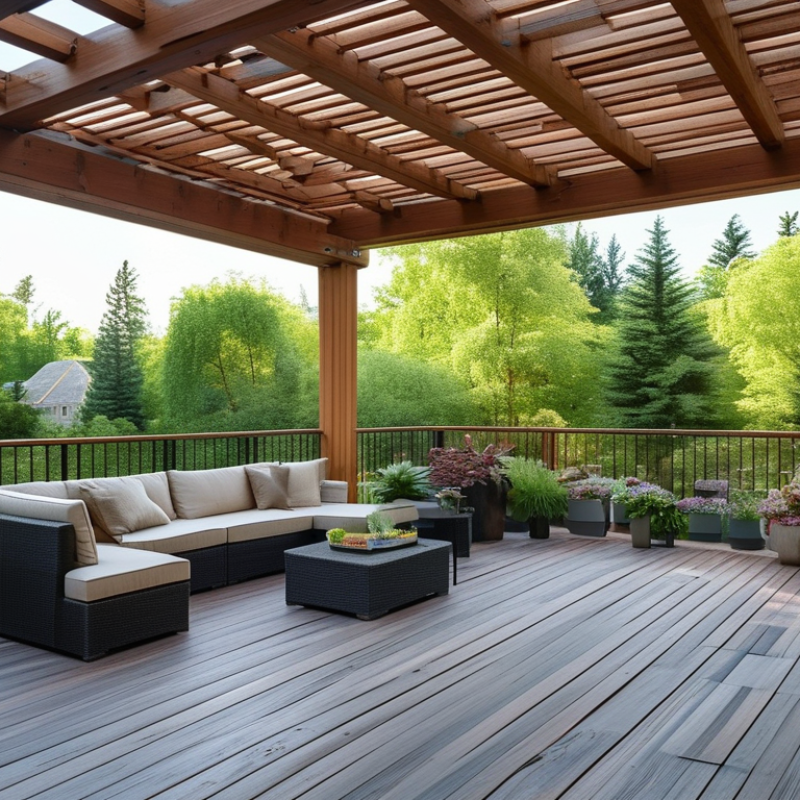
Understanding WPC Planks: What They Are and Their Benefits
WPC planks, or wood-plastic composites, are a popular choice for outdoor decking. They combine wood fiber and plastic to create durable and attractive materials. This unique blend offers resistance to rot, moisture, and insects, making it ideal for various climates.
One significant advantage of WPC planks is their low maintenance. Unlike traditional wood, which requires regular staining and sealing, WPC only needs occasional cleaning. While many homeowners appreciate this feature, some find it hard to fully let go of the wood look. They may struggle with the idea that a synthetic material can replicate nature's beauty.
Another aspect to consider is the environmental impact. WPC planks often utilize recycled materials, which is a plus for eco-friendly advocates. However, some critics argue that the production of plastic components can have an adverse effect on sustainability. The debate continues, and it is essential to stay informed about the materials used in your decking. Ultimately, understanding WPC’s benefits and limitations helps in making an informed choice for outdoor spaces.
Key Features to Look for in Durable WPC Decking
When selecting WPC (Wood Plastic Composite) planks for outdoor decking, certain key features become critical. Durability tops the list. A report from the Composite Materials Association indicates that high-quality WPC can last over 25 years. This longevity is largely due to its resistance to moisture and insects. Unlike wood, WPC does not warp or splinter easily. These features contribute to its growing popularity among homeowners.
Another important aspect is slip resistance. According to a study by the American Society for Testing and Materials, a high coefficient of friction is essential for deck safety. Look for WPC planks that exceed the ASTM standards for slip resistance, especially in rainy conditions. Additionally, UV resistance matters. Decking that can resist fading under intense sun exposure maintains aesthetic appeal and requires less maintenance.
While many WPC products promise low maintenance, some require periodic cleaning to preserve appearance. Users should be prepared for this commitment. The composition of the planks is also crucial; a higher percentage of wood fibers often delivers a more natural look but may lead to faster wear. Balancing aesthetics and practicality remains a challenge for many deck owners.
Comparison of Key Features in Durable WPC Decking
Top Brands and Products for High-Quality WPC Decking
When selecting the best WPC (Wood Plastic Composite) planks for outdoor decking, it's essential to consider both quality and durability. A recent market report indicates that the WPC decking segment is expected to grow at a CAGR of 8% over the next five years, emphasizing the rising demand for these materials. High-quality WPC decks typically combine recycled wood fibers and plastic, offering robust resistance to weather and insects.
Different manufacturers offer unique solutions. Some products feature enhanced weather resistance due to specialized additives. For instance, studies show that decks treated with UV inhibitors can last significantly longer under direct sunlight. However, understanding that not all products perform equally is crucial. A notable percentage of lower-end planks may not withstand harsh conditions, leading to warping or fading.
While there are numerous brands, buyers must evaluate each option carefully. Independent testing shows that many low-cost alternatives may not provide the longevity advertised. Additionally, aesthetics can vary widely, impacting overall satisfaction. Interested consumers should also consider warranty length to gauge a manufacturer's confidence in their product. Ultimately, informed choices based on credible sources can lead to better outdoor decking experiences.
Maintenance Tips for Extending the Life of WPC Decks
WPC (Wood-Plastic Composite) decking offers a blend of durability and low maintenance. However, to ensure its longevity, proper care is essential. Regular cleaning is a crucial habit. Use a soft brush and mild detergent. Avoid harsh chemicals that can damage the surface. Even a simple garden hose can help remove dirt and debris.
Inspect your deck for any signs of wear or damage. Look for cracks or loose boards. If a plank is damaged, replacing it early can prevent bigger issues later. Some homeowners overlook this, thinking minor cracks don't matter. However, small problems can quickly escalate.
Applying a protective sealant can also extend your deck’s life. This creates a barrier against moisture and UV rays. Reapply the sealant every few years for optimal protection. It’s easy to forget this step, but neglecting it can lead to fading and splitting. Ultimately, being proactive in your deck's maintenance is the key to enjoying its benefits for years to come.
Comparing WPC with Traditional Wood: Which is Better for Decking?
When considering decking options, many homeowners often compare WPC (Wood Plastic Composite) and traditional wood. WPC planks have become popular in recent years due to their durability and low maintenance. Unlike wood, WPC is resistant to rot and insects. This makes it an attractive option for outdoor spaces that face harsh weather conditions.
Traditional wood, while beautiful, requires regular upkeep. You need to seal, stain, and occasionally replace boards. This can add to costs and time. WPC, on the other hand, needs minimal maintenance. A simple wash with soap and water can keep it looking great. However, some people find WPC less aesthetically appealing compared to natural wood grains.
**Tip:** When choosing decking, consider the climate. In humid areas, WPC might outperform wood. In dry climates, wood may fare better if properly treated. Check local weather patterns before making a decision.
It’s essential to weigh the pros and cons of each material. WPC lacks the natural feel of wood, which some homeowners prefer. On the flip side, it provides better durability over time. Testing samples can help you see what fits your needs.
**Tip:** Always ask for samples and explore how each material looks in your home’s lighting to ensure the best choice.