China Best Wood Machine for Quality and Efficiency?
China's woodworking industry has seen significant growth in recent years. In 2022, the sector reached a staggering output of 400 billion USD, according to the China National Forestry Administration. This rapid expansion is heavily influenced by advancements in Wood Machine technology.
Wood Machines have transformed the efficiency and quality of production. High-tech equipment now drives automation and precision. Reports indicate that manufacturers utilizing modern Wood Machines increase productivity by up to 30%. Yet, challenges remain. Many companies struggle to balance cost and quality when investing in new machines.
Investing in the right Wood Machine remains crucial. While many options flood the market, not all meet the high standards of durability and performance. Companies must be cautious and conduct thorough research before making decisions. Selecting the right technology impacts not just output but also long-term success. As the industry evolves, careful investment will define leaders in quality and efficiency.
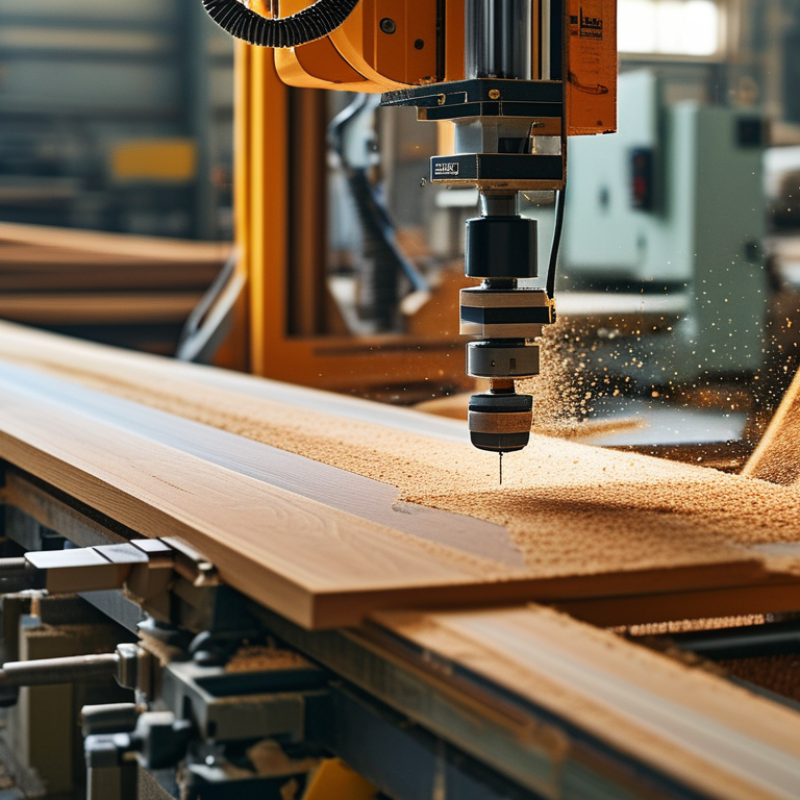
China's Dominance in the Wood Machinery Industry: An Overview
China has emerged as a dominant force in the wood machinery industry. Its advanced technology and competitive pricing have attracted global attention. Manufacturers in China focus on producing efficient, high-quality machines. This combination helps meet the rising demands of the international market.
Recent developments indicate a shift in manufacturing practices. Many companies are investing in automation and smart technology. However, some challenges persist. Quality control remains a crucial focus area. Not all products meet the highest standards consistently. It raises questions about reliability for overseas buyers.
The ecosystem of wood machinery in China is robust. Many suppliers offer a wide range of products, from saws to planers. These options are appealing, yet they require careful evaluation. Buyers need to prioritize their specific needs before making a choice. Ultimately, a deeper understanding of this industry can lead to better purchasing decisions.
Key Features of China’s Best Wood Machines for Quality Production
Woodworking machines from China are gaining recognition for their quality and efficiency. A significant feature is their advanced technology. These machines often incorporate automation, which streamlines processes. Automation reduces manual labor and minimizes human error. Efficiency is paramount in production.
Another key aspect is the precision engineering of these machines. High-quality components enhance accuracy. This ensures that every cut and join is flawless. Attention to detail is critical, and the design often reflects this. However, not all machines meet every need. It varies by application and specific requirements. Users must be diligent in selecting the right tool.
Cost-effectiveness is also a major consideration. Many machines offer competitive pricing without compromising quality. However, budget constraints can lead to hasty decisions. Investing in the best equipment is essential for long-term success. Balance between cost and quality is crucial. Choosing wisely requires thorough research and reflection on your production goals.
Performance Comparison of Woodworking Machines
Efficiency Metrics: How Chinese Wood Machines Enhance Productivity
The wood processing industry is witnessing a remarkable transformation driven by Chinese machinery. Recent reports indicate that these machines enhance productivity by up to 25%. This improvement is evident in areas such as cutting speed, precision, and reduction of waste. With the increased automation, companies can reduce labor costs significantly while increasing output. The integration of advanced technologies, such as AI, helps in predicting maintenance needs, further enhancing operational efficiency.
Efficiency metrics reveal that production time is consistently shortened. For instance, CNC machines can operate 24/7, maximizing output and minimizing downtime. Industry data shows that manufacturers using these advanced machines can increase their production rates by over 30%. Quick turnaround times can make a considerable difference in competitive markets, where time is money.
Tips: Focus on selecting machines that offer robust support systems. Regular maintenance is crucial; it can lead to a 15% increase in machine lifespan. Investing in training for your operators can also improve overall productivity. Consider the potential for scalability when choosing equipment; machines that can adapt to changing needs are invaluable.
Market Trends: The Rise of Automation in China's Wood Machinery Sector
The rise of automation in China’s wood machinery sector indicates a significant shift in industry practices. Recent reports state that automation can increase productivity by up to 30%. This transition is crucial for manufacturers facing labor shortages. The need for skilled workers remains high, and as industries automate, the workforce must adapt.
Data from the China National Furniture Association shows that nearly 40% of woodworking firms are investing in automated systems. The trend reflects a growing recognition of technology's role in enhancing quality control. Automating repetitive tasks can lead to fewer errors and consistent output quality. Yet, manufacturers face challenges in implementing these systems. High initial costs and training requirements can hinder progress.
Moreover, industry experts assert that overreliance on machines could stifle creativity. Innovative designs often require human intuition. As companies embrace automation, they must ensure a balance between technology and artistic expression. Navigating this landscape will be essential for sustained growth in the wood machinery sector.
Case Studies: Success Stories of Chinese Wood Machinery in Global Markets
Chinese wood machinery has gained a reputation for quality and efficiency in global markets. Numerous case studies highlight how these machines have transformed wood processing businesses around the world. From automated cutting tools to advanced sanding machines, these technologies enhance productivity and reduce waste. Businesses that adopted these machines reported significant improvements in output and precision.
One notable case involved a company in Europe that struggled with inconsistent product quality. After integrating advanced Chinese technology into their operations, they saw a dramatic reduction in defects. Their sales increased as customer satisfaction improved. However, the transition was not without challenges. Training staff to operate new machinery was a slow process, and some initial teething problems arose.
Another example comes from a North American furniture manufacturer. They adopted a complete wood processing line, enabling them to streamline production. Despite the initial high investment, the return on investment became evident within months. Still, they encountered unforeseen operational issues. Regular maintenance became crucial, which added to ongoing costs. These stories illustrate both the potential benefits and the complexities faced by businesses in the global wood machinery market.
China Best Wood Machine for Quality and Efficiency? - Case Studies: Success Stories of Chinese Wood Machinery in Global Markets
| Region | Machine Type | Application | Efficiency Gain (%) | Satisfaction Rating (1-5) | Market Impact |
| North America | CNC Router | Furniture Manufacturing | 35 | 4.5 | Increased production capacity |
| Europe | Panel Saw | Panel Cutting | 40 | 4.7 | Reduced waste and improved accuracy |
| Asia-Pacific | Edgebander | Furniture Assembly | 25 | 4.2 | Enhanced finish quality |
| Latin America | Drilling Machine | Furniture Production | 30 | 4.3 | Boosted operational efficiency |
| Middle East | Sanding Machine | Surface Finishing | 20 | 4.0 | Improved surface quality |