
China Top 10 Super Bright LED Light Bar Suppliers
Choosing a supplier for a high-output light bar takes more than comparing advertised lumens. A Super Bright Led Light Bar should deliver useful illumination, stable performance, and a beam pattern suited to its intended application. That matters. A narrow spot beam can reach farther, while a flood beam spreads light across a wider area. Some buyers need a combination of both.
This guide introduces ten suppliers and the factors that can help buyers assess them. It considers product range, manufacturing experience, customization options, and the clarity of technical documentation. Useful details include operating voltage, measured output, housing materials, thermal design, ingress protection ratings, and warranty terms. Ask for test reports and product samples when available. Check whether specifications apply to the complete light bar or only to individual LEDs. That small distinction can change expectations.
A supplier’s website is only one source of information. Request current datasheets, confirm lead times, and discuss quality checks before placing a substantial order. Look closely at connector types, mounting hardware, and cable length; small mismatches can complicate installation. No catalog tells the whole story. Independent testing and direct communication may reveal gaps that polished product photos cannot. This comparison is a starting point, not a substitute for verification. Buyers should match each supplier’s capabilities to their actual requirements, then compare evidence rather than claims. Even a well-reviewed supplier may not fit every project. Use the details in this guide to ask better questions and make a more informed shortlist.
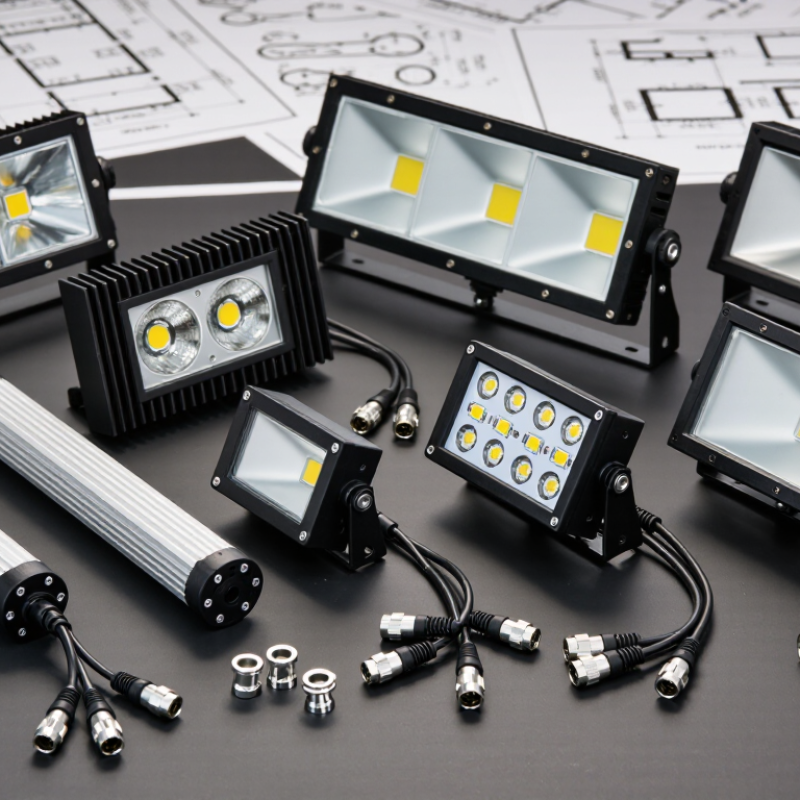
Understanding Super Bright LED Light Bars and Their Key Features
Super bright LED light bars produce intense, focused illumination for work areas, off-road vehicles, and outdoor equipment. Their performance depends on more than a high lumen number. Beam shape matters. A spot beam reaches farther along a road or trail, while a flood beam spreads light across nearby ground. Combination optics offer both, though the balance can vary between models.
Brightness is not everything. Heat matters, too. LEDs convert much of their input power into heat, so an effective housing and heat sink help maintain steady output. In practical comparisons, check rated lumens alongside power draw, beam angle, and color temperature. A cooler white beam can reveal surface details clearly, but may feel harsh in fog or dust. Advertised output may also differ from measured performance after the bar warms up, so independent test data is useful.
Look closely at construction details: sealed connectors, corrosion-resistant fasteners, and a sturdy lens can matter in wet or vibrating environments. An ingress-protection rating describes resistance to dust and water under specified test conditions; it does not guarantee suitability for every installation. Ask suppliers for clear specifications, wiring guidance, and test records. It is easy to focus on peak brightness and overlook mounting, glare, or heat—an honest comparison should leave room for those trade-offs.
How China’s LED Light Bar Supplier Market Is Organized
China’s LED light bar supplier market is organized by function, not simply by factory size. Upstream firms supply LED packages, aluminum housings, lenses, drivers, and thermal materials. Specialized manufacturers then combine these parts into bars for vehicles, work sites, warehouses, or outdoor equipment. Some focus on private-label production; others provide optical design, prototyping, and small-batch customization. The distinction matters. A bright sample does not prove stable production.
MarketsandMarkets estimated the global LED lighting market at US$76.6 billion in 2023, forecasting US$124.7 billion by 2028. This broad category includes far more than light bars, so it should not be read as a light-bar market estimate. Still, it helps explain why suppliers invest in efficiency and thermal management. Buyers comparing Chinese suppliers should examine beam patterns, measured lumen output, heat dissipation, and batch-to-batch consistency. Ask for test conditions, not just a headline rating. A 50-degree beam and a 20-degree beam can feel very different on a dark road. Supplier directories can also blur trading companies and actual manufacturers. That is easy to miss. Factory audits and production samples help, though they cannot guarantee every shipment will match.
Profiles of Ten Leading Chinese Super Bright LED Light Bar Suppliers
Profiles of ten leading Chinese super bright LED light bar suppliers reveal different strengths rather than one universal best choice. One supplier profile may focus on off-road bars with rugged housings and wide beam patterns. Another may specialize in long-range spot beams for distant visibility. A third may offer compact bars for limited mounting space. A fourth may emphasize fleet lighting and repeatable production. A fifth may focus on industrial work lights and vibration resistance. Details matter. Buyers should compare measured output, beam shape, and heat management, not just advertised brightness.
The remaining profiles include suppliers focused on marine-grade sealing, custom lengths and brackets, thermal design, OEM production, and export documentation. These capabilities are not interchangeable. Ask for beam-test data, ingress-protection test records, wiring diagrams, and clear warranty terms. Check whether samples match the production specification. A polished catalog is useful, but it cannot replace inspection. Some suppliers may have excellent customization and less mature documentation; that trade-off deserves an honest review.
Tips: Request a sample and test it on the intended vehicle or equipment. Confirm voltage range, current draw, mounting dimensions, and connector type in writing. Small mismatches can cause delays.
Comparing Supplier Products, Technologies, and Quality Standards
Comparing China’s top super-bright LED light bar suppliers means looking beyond advertised lumens. IEA’s Energy Efficiency 2023 report says LEDs account for about half of global lighting sales, making product consistency an important purchasing concern. Ask whether output figures describe bare LEDs or the complete bar. Request independent photometric test results, including beam pattern, color temperature, and power draw. A narrow pencil beam can look intense on a test wall but leave the roadside edges dim. Specs can mislead.
Thermal design separates durable products from short-lived ones. Compare aluminum housing thickness, fin spacing, driver protection, and output after sustained operation, not just at startup. A supplier should explain how it checks units across production batches. Look for photometric testing under IES LM-79 methods, enclosure ratings classified under IEC 60529, and corrosion testing such as ISO 9227 salt spray. These references do not guarantee quality; test conditions and reports still need review. Ask for sample reports tied to the exact model. Check connector seals and cable strain relief by hand. Small details matter. Some comparisons remain imperfect: suppliers may publish different test conditions, so matching figures can take extra work.
How to Evaluate Suppliers for Different Applications
For vehicle, marine, and worksite use, evaluate a supplier against the actual task, not a “super bright” claim. Ask for measured illuminance at a stated distance, beam-pattern plots, input power, and thermal test results. A narrow spot beam may reach down a dark track but leave nearby edges poorly lit. A wide flood pattern suits close work better. The U.S. Department of Energy’s Energy Saver guide says LEDs use up to 90% less energy and can last up to 25 times longer than incandescent bulbs. That is a broad technology comparison, not proof that one light bar outperforms another.
Check whether the supplier provides traceable test reports for heat, vibration, water and dust exposure, and electrical interference. Confirm that the mounting hardware and cable length fit your installation. For marine or dusty worksite conditions, request the exact protection rating and test basis; don’t rely on a rating shown without documentation. I still find beam pattern easy to overlook. It matters as much as peak brightness.
Tips: Compare lux at the distance you need, not lumens alone. Request sample units for a night test, and record current draw and housing temperature after extended use. Keep the test conditions consistent.
China Top 10 Super Bright LED Light Bar Suppliers - How to Evaluate Suppliers for Different Applications
Application-based supplier evaluation matrix. These are typical screening considerations, not product certifications or a ranking of named suppliers. Confirm specifications, test reports, and local regulations for each project.
| Application | Typical Selection Priorities | Electrical and Optical Checks | Environmental and Compliance Checks | Evidence to Request from the Supplier |
|---|---|---|---|---|
| Off-road 4x4 and recreational vehicles | Long-distance or wide-area beam options; secure mounting; resistance to vibration and dust. | Confirm 12 V or 24 V compatibility, measured input current, beam pattern, and photometric test method. | Ask for an ingress-protection rating appropriate to exposure, such as IP67 where immersion protection is needed; verify vibration test conditions. | Photometric report, wiring and fuse guidance, mounting-load information, and test reports tied to the exact model. |
| Agricultural machinery | Broad work-area illumination, durable brackets, and serviceable wiring for equipment exposed to dust, mud, and washdown. | Check operating-voltage range, startup behavior, thermal management, and light distribution at the working distance. | Evaluate dust and water protection for the actual cleaning method; review resistance to vibration and temperature cycling. | Environmental test conditions, connector and cable specifications, installation instructions, and warranty terms for the intended duty cycle. |
| Mining and quarry equipment | High mechanical durability, dependable operation, and lighting suited to large vehicles and demanding work areas. | Review system voltage, current draw, beam coverage, heat dissipation, and compatibility with the machine’s electrical system. | Check impact, vibration, dust, water, and temperature test reports against site conditions. Confirm any hazardous-area requirements separately. | Traceable test reports, material and lens details, quality-control records, and documented change-control procedures. |
| Construction and earthmoving equipment | Flood or combination beams for work zones; robust housings and mounts for shock and frequent equipment movement. | Compare measured light distribution, power consumption, and 12 V or 24 V operating compatibility. | Assess ingress protection, vibration resistance, and thermal performance based on the machine’s operating environment. | Photometric data, vibration and ingress test reports, mounting drawings, and clear installation and maintenance instructions. |
| Emergency and service vehicles | Reliable forward or scene lighting, consistent production quality, and compatibility with vehicle electrical systems. | Check current draw, transient protection, electromagnetic compatibility, and whether the product is a work lamp or a regulated signal lamp. | For road use, verify applicable approvals and local rules for the specific product and installation. Consider CISPR 25 or other relevant EMC test evidence where required. | Approval documents where applicable, EMC reports, wiring diagrams, production traceability, and written confirmation of intended use. |
| Marine and coastal applications | Corrosion-resistant materials and mounting hardware; suitable light distribution without obstructing required navigation lights. | Confirm supply voltage, power consumption, sealing around cable entries, and suitability for the vessel’s electrical system. | Review salt-mist or corrosion test methods and water-ingress protection. Verify marine-specific requirements for the installation. | Material specifications, corrosion-test details, ingress reports, installation guidance, and clarification of any marine approvals claimed. |
| Commercial trucks and fleet vehicles | Consistent output across batches, dependable mounting, and options suited to fleet maintenance and replacement. | Check 12 V or 24 V operation, electrical protection, measured current, and beam suitability for the mounting position. | Confirm EMC evidence and any road-use approvals required in the destination market; requirements vary by jurisdiction and lamp function. | Model-specific compliance documents, batch inspection records, dimensional drawings, spare-part availability, and warranty process. |
| Industrial sites and material-handling equipment | Work-area coverage, durable construction, and compatibility with forklifts, loaders, or fixed equipment. | Verify supply voltage, switching method, electrical protection, and lighting distribution for the operating area. | Assess ingress protection, temperature range, vibration, and any site-specific electrical or safety requirements. | Datasheets, installation limits, environmental test reports, and written confirmation of suitability for the stated equipment and location. |
| Utility, forestry, and field-service vehicles | Wide-area illumination, compact mounting options, and reliable performance in remote or variable conditions. | Evaluate beam pattern, operating-voltage range, current draw, and protection against electrical disturbances. | Check vibration, temperature, dust, and water test evidence; consider relevant vehicle electrical-transient standards such as ISO 7637-2 when applicable. | Test reports, wiring and grounding recommendations, connector details, and support arrangements for field replacements. |
| Vehicle OEM and private-label programs | Repeatable quality, engineering support, controlled revisions, and stable production capacity. | Agree on photometric measurement, electrical limits, connector pinout, and acceptance criteria before production. | Define applicable vehicle and market requirements, including relevant EMC and environmental tests; validate the final installation, not only the component. | Quality-system documentation, sample approval records, production inspection plan, change-control process, and shipment traceability. |