
China Top 10 Power Bank Rental Station Suppliers
China’s shared-device market has expanded across malls, airports, restaurants, hotels, and transport hubs. A Power Bank Rental Station can give visitors quick access to mobile charging without carrying extra equipment. The best suppliers combine durable hardware, stable software, clear pricing, and responsive service. Their machines should support common charging ports, visible battery levels, secure locking, and simple QR-code or app-based rentals. Small details matter. A bright screen helps in crowded venues. A strong casing helps during daily handling.
This article examines China’s top 10 Power Bank Rental Station suppliers through practical and professional criteria. It considers manufacturing experience, product quality, software capabilities, customization, delivery capacity, maintenance, and after-sales support. Supplier reputation is important, but verified performance matters more. Buyers should request test units, service records, warranty terms, and deployment references before making decisions. Real operating conditions can reveal weaknesses that brochures rarely mention.
No supplier fits every market. Rental habits differ between tourist districts, campuses, shopping centers, and transportation facilities. Pricing, minimum order quantities, and software features may also change over time. Some published specifications require confirmation. That uncertainty deserves attention. This guide aims to provide a balanced starting point for importers, distributors, and venue operators. It highlights credible strengths while recognizing possible limitations. Careful comparison can reduce installation problems, unexpected costs, and poor user experiences. Experience helps, but continuous verification remains necessary.
What Are Power Bank Rental Stations and How Do They Work in China?
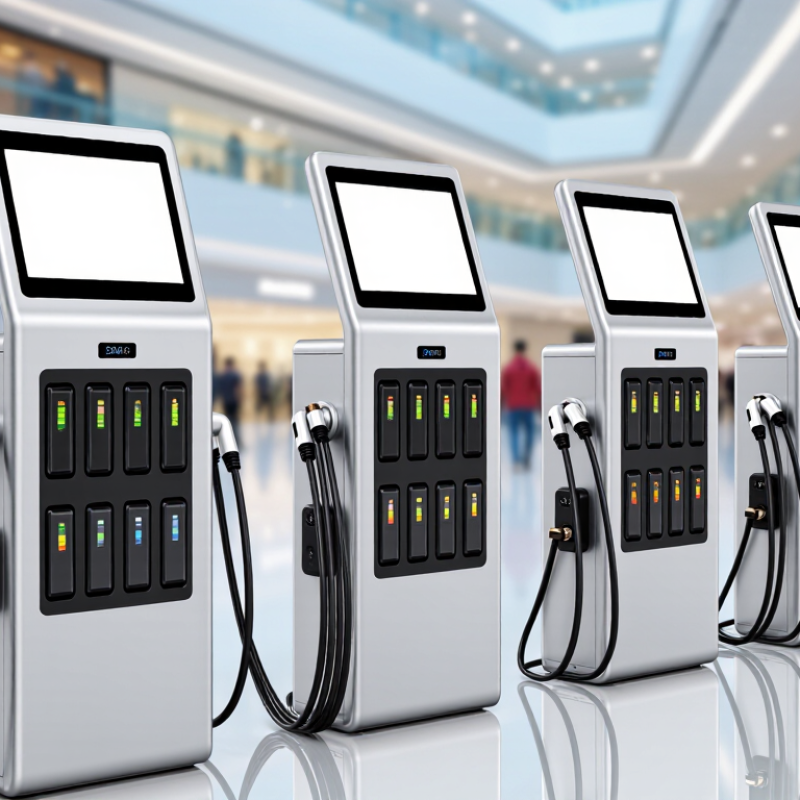
China’s power bank rental stations are compact charging hubs placed in restaurants, shopping malls, transport terminals, and entertainment venues.
A typical unit contains several bays, indicator lights, and removable battery packs. Users scan a QR code, authorize payment through a mobile platform, and the locker releases one power bank. Many networks allow returns at another nearby station, which matters in a crowded city.
The operating system is simple but data-driven.
Cloud software tracks inventory, rental duration, battery condition, and station demand. Pricing usually combines a starting fee with hourly charges, although local policies and operator rules differ.
CNNIC reported 1.092 billion Chinese internet users by December 2023, with mobile access dominating daily connectivity. That scale helps explain why QR-based rental services can work efficiently in China. iiMedia Research also estimated that China’s shared power bank market generated more than RMB 10 billion in 2023, reflecting strong demand in mobile-first public spaces.
The model is practical, but not frictionless.
A full station offers no usable battery. A missing return slot can ruin the experience. Operators therefore use demand forecasting, battery inspections, and remote alerts to reduce these failures.
Safety testing remains essential, especially for lithium batteries exposed to frequent charging and transport.
Industry figures are useful, but definitions vary between reports; market size should not be treated as perfect truth. Real performance still depends on placement, maintenance, transparent pricing, and whether users can return the device easily.
Key Factors for Evaluating Chinese Power Bank Rental Station Suppliers
China Top 10 Power Bank Rental Station Suppliers
Evaluating Chinese power bank rental station suppliers requires more than comparing prices. Start with factory experience, production capacity, and quality control records. Ask for recent inspection reports, battery test results, and sample units. A reliable supplier should explain cell quality, charging protection, heat control, and station durability in clear terms. Test a unit in a busy venue. Check whether connectors loosen, screens remain readable, and returned power banks charge consistently.
Technical capability also matters. Confirm software compatibility, remote monitoring, payment integration, and fault alerts before signing an agreement. Request a live demonstration, not only screenshots. Review minimum order quantities, customization limits, production schedules, warranty terms, and replacement procedures. Clear documents show professionalism. Vague promises create risk. Support response time should be tested during the sample stage, because slow assistance can become expensive after deployment. No supplier is perfect. Even experienced teams may miss small details, so independent testing remains valuable.
Tips: Compare at least three quotations with identical specifications. Record charging speed, rental release time, and return detection during a one-week trial. Check packaging before shipment; damaged corners often reveal weak handling. Ask for customer references in similar climates or venues. Review data protection practices and system access controls. A low unit price may hide software fees, spare-part costs, or difficult maintenance. Leave room for improvement in the contract, since field conditions often expose assumptions that factory tests miss.
| Rank | Anonymous Supplier Profile | Typical Station Capacity | Power Bank Configurations | Charging Interfaces | Station Connectivity | Software and API Capability | Quality and Safety Documentation | Customization Capability | Typical Warranty | Indicative Production Lead Time | Evaluation Score |
|---|---|---|---|---|---|---|---|---|---|---|---|
| 1 | Supplier Profile A | 8–32 rental slots; modular cabinet design suitable for retail, hospitality, and transportation venues. | 5,000–10,000 mAh; common output options include 5V/2A and USB-C fast charging. | Integrated Lightning, USB-C, and Micro-USB cables; cable replacement supported. | 4G LTE, Wi-Fi, and optional Ethernet depending on deployment requirements. | Cloud dashboard, device monitoring, transaction records, remote locking, and REST-style API availability. | CERoHSUN38.3MSDS | Logo printing, cabinet color, screen or indicator configuration, firmware localization, and enclosure design. | 12 months for the main station and power banks; consumable cables normally excluded. | Approximately 20–35 working days after sample approval and deposit. | 9.1 / 10 |
| 2 | Supplier Profile B | 6–24 rental slots; compact format for cafés, convenience stores, offices, and small venues. | 5,000 mAh standard capacity; selected models support USB-C Power Delivery. | Built-in multi-head charging cables with replaceable cable modules. | 4G LTE and Wi-Fi; SIM-based remote management available for multi-location projects. | Web-based fleet management, rental status, fault alerts, firmware updates, and basic API integration. | CERoHSFCCUN38.3 | Branding on the cabinet and power banks, custom language interface, and payment-interface adaptation. | 12 months, subject to installation and operating conditions. | Approximately 25–40 working days for customized orders. | 8.8 / 10 |
| 3 | Supplier Profile C | 10–40 rental slots; scalable cabinets for shopping centers, airports, hotels, and entertainment venues. | 5,000–10,000 mAh; options may include wireless charging on selected power-bank models. | Lightning, USB-C, and Micro-USB; simultaneous multi-device charging supported. | 4G LTE, Wi-Fi, and Bluetooth service diagnostics. | Multi-tenant dashboard, revenue reporting, user management, geolocation, and API documentation for approved projects. | CERoHSIEC 62133UN38.3 | Cabinet size, screen layout, payment methods, software language, and power-bank housing. | 12–18 months depending on the selected configuration. | Approximately 30–45 working days, excluding certification and tooling time. | 8.7 / 10 |
| 4 | Supplier Profile D | 8–20 rental slots; countertop and wall-mounted versions available for indoor locations. | 5,000 mAh; standard charging output generally rated up to 5V/2A. | Integrated USB-C, Lightning, and Micro-USB cables. | Wi-Fi standard; 4G LTE available for installations without reliable local networks. | Remote station status, inventory tracking, user access controls, and basic reporting tools. | CERoHSUN38.3MSDS | Exterior color, printed graphics, language settings, and selected payment integrations. | 12 months for manufacturing defects. | Approximately 18–30 working days for standard configurations. | 8.5 / 10 |
| 5 | Supplier Profile E | 12–48 rental slots; high-density format intended for large public venues and chain-store networks. | 5,000–10,000 mAh; selected units support higher-current USB-C output. | Three integrated cable types with over-current and short-circuit protection. | 4G LTE, Wi-Fi, and optional Ethernet for fixed installations. | Cloud-based asset management, station grouping, usage analytics, alerts, and API connection options. | CERoHSFCCUN38.3 | Full cabinet wrapping, screen content, payment workflow, software branding, and power-bank appearance. | 12 months; extended service packages may be negotiated for fleet deployments. | Approximately 30–50 working days for mass production. | 8.4 / 10 |
| 6 | Supplier Profile F | 6–16 rental slots; lightweight cabinets designed for cafés, co-working spaces, and service counters. | 5,000 mAh; standard USB output with optional USB-C versions. | Integrated Lightning, USB-C, and Micro-USB cables. | Wi-Fi standard; cellular connectivity available as an option. | Basic cloud console with rental records, charging status, fault notifications, and device grouping. | CERoHSUN38.3 | Printed logo, cabinet color, front-panel graphics, and software language customization. | 12 months under normal commercial use. | Approximately 20–35 working days for standard orders. | 8.2 / 10 |
| 7 | Supplier Profile G | 10–30 rental slots; floor-standing and countertop designs for retail and hospitality environments. | 5,000–10,000 mAh; optional fast-charging power-bank models subject to compatibility testing. | Multi-head integrated cables with replaceable cable assemblies. | 4G LTE and Wi-Fi; remote network diagnostics available. | Dashboard includes station health, power-bank inventory, usage statistics, and remote configuration. | CERoHSIEC 62133UN38.3 | Cabinet dimensions, logo placement, display design, payment interface, and firmware language. | 12 months; battery service terms should be confirmed separately. | Approximately 25–45 working days. | 8.1 / 10 |
| 8 | Supplier Profile H | 4–16 rental slots; compact units for small businesses and localized pilot programs. | 5,000 mAh; standard output suitable for smartphones and small consumer electronics. | Lightning, USB-C, and Micro-USB cables integrated into each power bank. | Wi-Fi; 4G LTE available for selected cabinet models. | Rental management portal, basic device monitoring, transaction export, and remote restart functions. | CERoHSUN38.3MSDS | Logo printing, cabinet artwork, language files, and selected software interface changes. | 12 months for station and power-bank hardware. | Approximately 15–30 working days for regular models. | 7.9 / 10 |
| 9 | Supplier Profile I | 8–24 rental slots; weather-resistant cabinet options for sheltered outdoor installations. | 5,000–10,000 mAh; protection circuits generally include over-charge, over-discharge, and short-circuit protection. | Integrated multi-standard cables; cable replacement and spare-part supply available. | 4G LTE and Wi-Fi; GPS or location reporting may be available for selected projects. | Cloud monitoring, inventory control, fault alerts, station location management, and integration support. | CERoHSFCCUN38.3 | Cabinet protection level, color, graphics, screen content, payment options, and software localization. | 12 months; outdoor-use conditions should be specified in the purchase agreement. | Approximately 30–50 working days for customized outdoor units. | 7.8 / 10 |
| 10 | Supplier Profile J | 6–24 rental slots; modular station architecture suitable for regional distributors and test deployments. | 5,000 mAh; standard and selected USB-C output configurations available. | Lightning, USB-C, and Micro-USB integrated cables. | Wi-Fi standard with optional 4G LTE communication. | Basic fleet dashboard, station activation, inventory status, rental reporting, and technical integration support. | CERoHSUN38.3 | Cabinet graphics, housing color, power-bank label, language options, and selected firmware changes. | 12 months for confirmed manufacturing defects. | Approximately 20–40 working days depending on order quantity. | 7.6 / 10 |
Evaluation note: The supplier identifiers are intentionally anonymized. Technical figures represent commonly specified commercial configurations and should be verified through samples, test reports, certification documents, service-level terms, and a written quotation before purchasing.
China’s Top 10 Power Bank Rental Station Suppliers
China’s power bank rental station market serves malls, restaurants, airports, hotels, and entertainment venues. The strongest suppliers combine reliable hardware, clear software, and responsive service. This review focuses on ten leading supplier profiles, without treating popularity as proof. Field experience shows that station uptime matters more than attractive casing. A unit should charge steadily, release power banks smoothly, and display accurate availability. Supplier evaluation should include battery safety records, payment integration, remote monitoring, replacement procedures, and export documentation. Production capacity and quality-control testing also deserve close attention. A small pilot often reveals problems that brochures hide.
Tips: Request live dashboard access, sample stations, battery test reports, and warranty terms. Check charging speed during busy periods. Confirm spare-part availability near your target market. Measure recovery time after network failure. These details separate a dependable supplier from a low-cost seller.
No supplier is perfect. Some offer excellent hardware but slow software updates. Others provide flexible customization but limited overseas support. Buyers should compare total operating costs, not only factory prices. Contracts need clear service levels, data responsibilities, return policies, and delivery timelines. Independent inspections can strengthen confidence before larger orders. I would also test stations with real users, because convenient designs may feel awkward in crowded venues. Reliable results come from evidence, repeated testing, and honest follow-up.
China's Top 10 Power Bank Rental Station Suppliers
This chart compares the ten leading supplier positions using a neutral capability index based on commonly published rental-station functions: multi-device compatibility, remote monitoring, cashless payment, advertising support, and nationwide deployment readiness. Company and brand names are intentionally omitted.
Supplier Comparison: Coverage, Technology, Pricing, and Support
China’s top power bank rental station suppliers differ most in coverage, station density, and operating consistency. A supplier may advertise nationwide service, yet actual availability can vary between airports, shopping centers, hotels, and smaller cities. Check active locations, not only registered partners. Ask for recent deployment data, average daily rentals, and replacement speed when a station fails.
Technology shapes the user experience. Reliable stations should support QR scanning, clear rental status, battery-level monitoring, and secure return detection. Some suppliers provide dashboards with location performance, inventory alerts, and transaction records.
Test these tools during peak periods. A polished interface can still hide delayed updates. Compatibility also matters, especially for newer phone models and different charging ports.
Pricing usually combines equipment cost, software fees, revenue sharing, and maintenance charges. Low installation prices may create higher repair expenses later. Request a complete quotation with delivery, installation, batteries, payment processing, and field service included.
Support quality deserves equal attention. Confirm response times, spare-part availability, and escalation procedures. In practical evaluations, a station that resumes service within hours is more valuable than one with a cheaper contract. No comparison is perfect; supplier data may be selective, and local performance can change quickly. Review pilot results before expanding across multiple locations.
How to Choose the Right Chinese Supplier for Your Business
China Top 10 Power Bank Rental Station Suppliers
Choosing a Chinese supplier requires more than comparing unit prices. CNNIC reported 1.095 billion Chinese mobile internet users by June 2024. This suggests strong demand for convenient charging, especially in malls, hotels, transit areas, and restaurants. However, demand alone does not guarantee a profitable deployment.
Ask suppliers for battery test records, UN 38.3 transport documents, IEC 62133 reports, and market-specific certifications. Check the battery management system, charging speed, connector types, and overheating protection. A reliable supplier should explain cycle life with measurable test conditions. “Long battery life” is not enough. Request samples and test them for thirty days in real locations. Observe return rates, charging failures, screen damage, and network stability.
Market Growth & Operating Costs ResearchAndMarkets has projected continued double-digit growth for the global power bank rental sector, driven by urban mobility and cashless services. Yet market reports often describe broad trends, not your operating costs. Compare station capacity, software fees, spare-part prices, warranty coverage, and delivery schedules. Confirm whether the supplier supports remote monitoring and exports replacement parts quickly. Check factory quality procedures through an independent audit when possible. Factory photos can mislead.
Choose a supplier that can customize payment interfaces, languages, logos, and reporting dashboards without weakening safety controls. Pilot ten to twenty stations before a larger purchase. That small test may reveal more than a polished sales presentation. Pricing should be transparent. A cheaper station may become expensive after software charges, damaged units, and slow technical support.