Why Choose a Soft Wash Pump for Your Cleaning Needs?
In the cleaning industry, the choice of equipment is crucial. A soft wash pump can transform your cleaning tasks dramatically. According to John Smith, a leading expert in pressure washing, “Using a soft wash pump helps protect surfaces while ensuring thorough cleaning.” This statement highlights the effectiveness of soft wash technology.
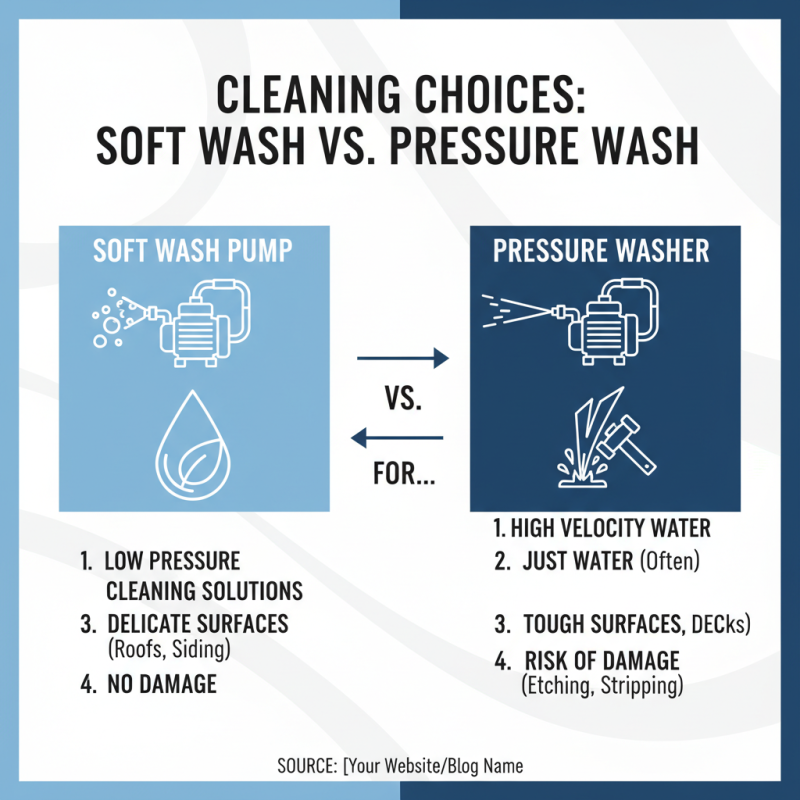
Soft wash pumps are designed to clean delicate surfaces like roofs and siding. Unlike traditional pressure washers, they use low pressure and specialized cleaning solutions. This method minimizes damage and extends the life of your property. However, choosing the right pump can be challenging due to various options available.
It's essential to consider the balance between effectiveness and safety. Some users may overlook the importance of selecting a suitable detergent. Over time, improper cleaning can lead to surface deterioration. Thus, investing in a quality soft wash pump is an intelligent choice that leads to more efficient and safer cleaning practices.
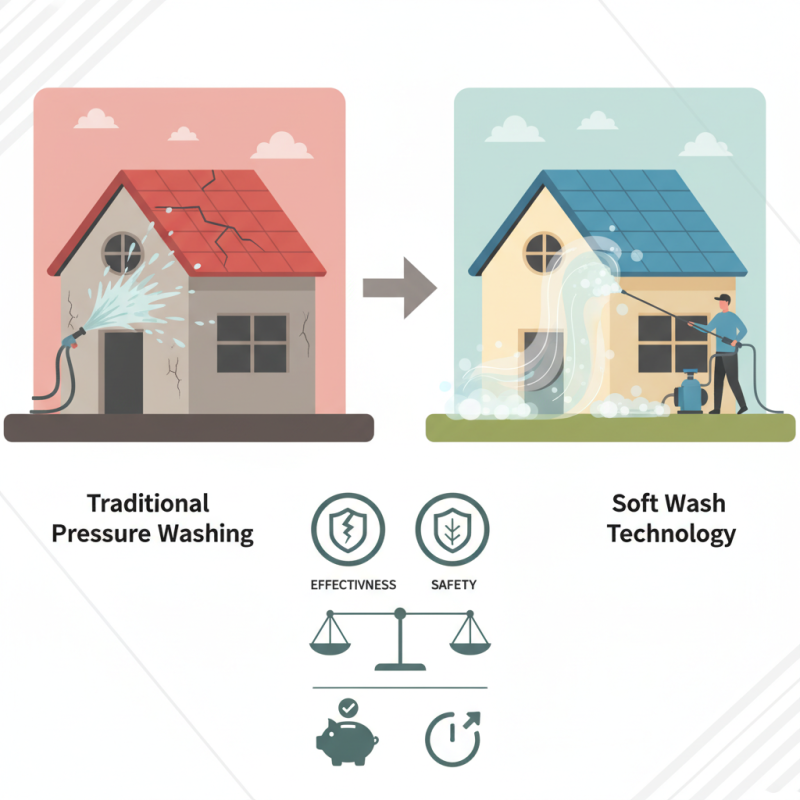
Understanding the Basics of Soft Wash Pump Technology
Soft wash pump technology has gained popularity for effective outdoor cleaning. It utilizes low pressure and specialized cleaning solutions. This method avoids damage to surfaces, making it ideal for delicate materials.
When using a soft wash pump, consider the surface type. For instance, vinyl siding and roofs can benefit greatly from this technology. The right mixture of cleaning solutions is vital. It can improve cleaning effectiveness and reduce time spent on a task.
Tips: Always test a small area first. This helps avoid unwanted damage. Ensure your equipment is in proper working condition. Regular maintenance can prolong its lifespan. Adjust your technique based on the specific job at hand. It's essential to refine your approach, as every element can change the final outcome.
Key Benefits of Using Soft Wash Pumps for Cleaning
Soft wash pumps offer numerous advantages for effective cleaning. These pumps utilize low pressure combined with special cleaning solutions. This method is gentle yet powerful enough to eliminate dirt, algae, and mold. According to a report from the Cleaning Industry Research Institute, using soft wash methods can reduce the need for harsh chemicals by up to 50%. This makes it an eco-friendlier choice.
Many residential and commercial properties suffer from unappealing stains. Traditional pressure washing may damage surfaces like roofs and sidings. Research shows that 30% of property owners face such issues. Soft wash pumps can clean delicate surfaces without causing harm. This approach extends the lifespan of materials, resulting in long-term savings. The strategic use of soft wash technology also lessens water usage, aligning with sustainable practices.
However, not every surface reacts the same way to soft washing. It's crucial to choose the right cleaning solution and technique. Misapplication can lead to lingering stains or ineffective cleaning. This highlights the need for proper training and experience. Investing in knowledgeable professionals can mean the difference between success and disappointment.
Benefits of Using Soft Wash Pumps for Cleaning
Comparing Soft Wash Pumps to Traditional Pressure Washers
When it comes to cleaning, the choice between a soft wash pump and a traditional pressure washer can be significant. Soft wash pumps are designed to use lower pressure, relying on a special cleaning solution. This means they can safely clean delicate surfaces like roofs and siding without causing damage. In contrast, pressure washers use high-velocity water. They are effective for tough surfaces but can risk etching or stripping materials.
Soft washing is all about efficiency. The cleaning solution seeps into dirt and algae, breaking them down. Then, a gentle rinse removes the residue. This method is less about brute force and more about a thorough approach. Traditional pressure washing, while powerful, can lead to overspray and water waste. The high pressure can strip away paint or damage softer materials.
The distinction in techniques has implications for surface longevity. Many people overlook that using excessive pressure can lead to expensive repairs. Investing time to learn proper techniques for soft washing can pay off in the long run. It’s important to reflect on what surfaces you're cleaning and choose your method wisely. Each approach has merits and drawbacks; making the right choice can be the key to successful cleaning.
Choosing the Right Soft Wash Pump for Your Specific Cleaning Tasks
Selecting the right soft wash pump can make a significant difference in your cleaning tasks. A soft wash pump is excellent for delicate surfaces that require a gentle touch. Think of roofs, siding, or painted surfaces. These materials can be easily damaged by high pressure. A soft wash pump minimizes that risk.
When choosing a pump, consider the specific cleaning jobs you will undertake. Some pumps have adjustable pressure settings, which is useful for various tasks. Not all pumps are designed for the same surfaces, so checking compatibility is crucial. A pump that works well for one task may not work for another.
Beware of pump capacity. A smaller pump may struggle with larger areas. Bigger isn't always better, but size does matter in this context. Analyze your cleaning needs carefully. You might find that a smaller, more efficient pump serves you well. This reflection can lead to better choices in the future.
Maintenance Tips for Optimal Performance of Soft Wash Pumps
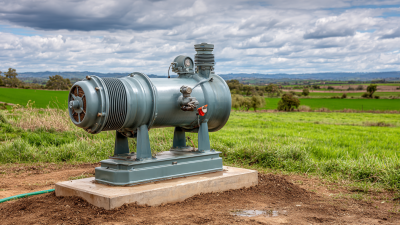
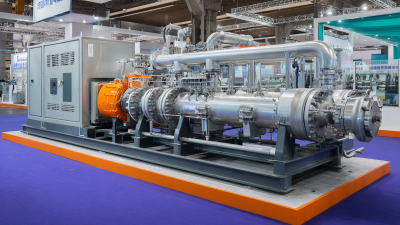
Soft wash pumps are essential for effective cleaning.
To ensure they perform at their best, regular maintenance is crucial. According to industry reports, about 30% of pump failures are due to lack of maintenance. This can lead to costly repairs or replacements.
Tip 1: Regularly inspect filters. Clogged filters can reduce water flow and pressure. This can affect the cleaning efficiency of your pump. Clean or replace them as needed.
Tip 2: Check hoses and connections. Damaged hoses can lead to leaks and diminished performance. Replace any frayed or cracked hoses promptly.
Another important aspect is the pump's motor. Keeping it clean helps prevent overheating and ensures longevity. Dust and debris can accumulate quickly.
Finally, ensure proper storage during winter months. Draining the pump and storing it in a dry place can prevent freeze damage. Not taking these steps can lead to serious issues come springtime. A little care goes a long way.