2026 How to Choose the Best Electric Transfer Pump for Your Needs?
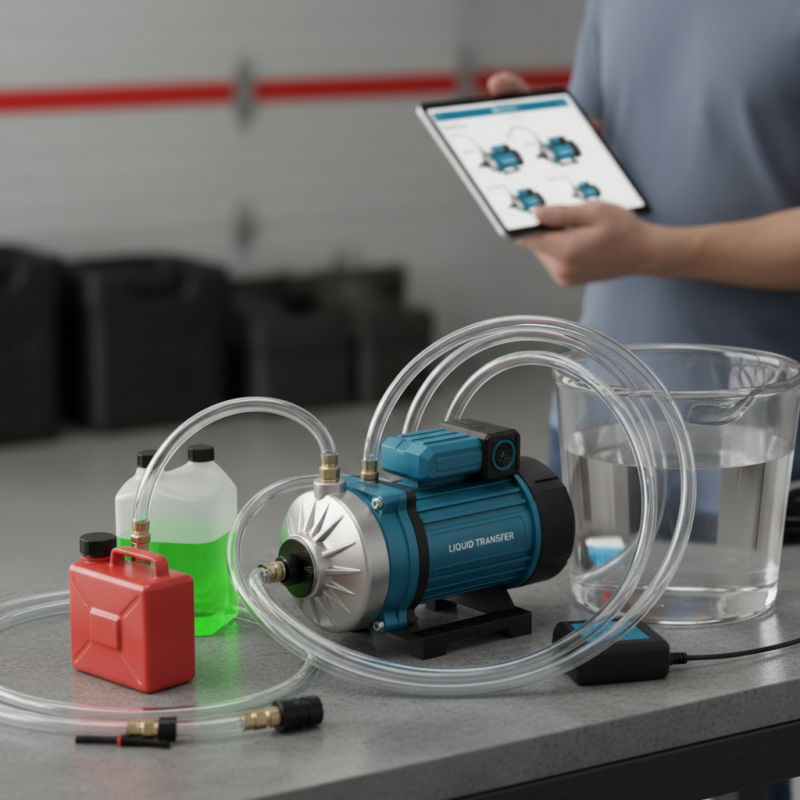
Choosing the right electric transfer pump can be challenging. With various models available, you might feel overwhelmed. It is essential to understand your specific needs before making a selection. Different pumps serve different purposes. They can drain water, transfer fuel, or move chemicals.
Electric transfer pumps vary in size, power, and functionality. Some are designed for heavy-duty tasks, while others are suitable for lighter applications. When assessing your requirements, consider factors such as flow rate and power source. The right pump can save you time and effort in various situations.
In the end, the goal is to find a pump that meets your budget and performance expectations. Researching and comparing options can uncover valuable insights. Take time to reflect on your choices to ensure you make an informed decision. An electric transfer pump can be a reliable tool if chosen wisely.
Understanding Electric Transfer Pumps: Types and Functions
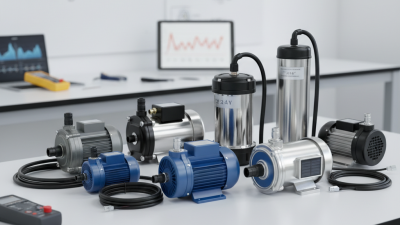
Electric transfer pumps are vital tools for various applications. Their utility spans agriculture, construction, and more. Understanding the types of electric transfer pumps can help you choose the right one. The main types include Centrifugal pumps, diaphragm pumps, and submersible pumps. Each serves distinct functions based on the fluid being transferred.
Centrifugal pumps are widely used for moving large volumes of water quickly. They can handle clean fluids efficiently, making them ideal in irrigation. Diaphragm pumps excel in handling viscous or abrasive fluids. According to a recent industry report, diaphragm pumps are projected to grow at a rate of 5.2% annually over the next five years. Submersible pumps, designed for underwater use, are essential for draining and sewage applications. They are a reliable solution for construction sites and flooded areas.
Choosing the best pump often involves understanding your specific requirements. What fluid will you transfer? Is it corrosive? The pump’s material becomes critical. In many cases, users make impulsive choices without sufficient research. This can lead to inefficiencies and higher operational costs. Awareness of pump functions and types significantly enhances decision-making. Users should also consider energy consumption, as it affects long-term costs.
Factors to Consider When Choosing an Electric Transfer Pump
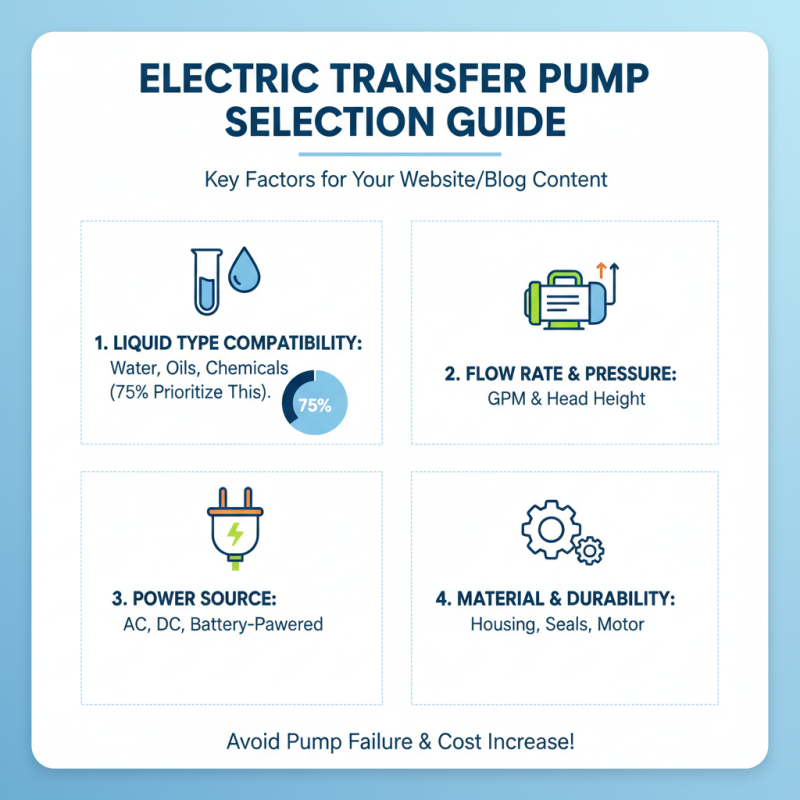
Choosing the right electric transfer pump involves several key factors. Understanding your specific needs is crucial. For instance, consider the type of liquid you will be transferring. Many pumps excel with water, while others handle oils or chemicals better. According to a recent industry report, 75% of users prioritize compatibility with various fluids when making their selection. Failing to consider this can lead to pump failure and increased costs.
Another factor is flow rate. This measurement indicates how quickly the pump can transfer fluids. A higher flow rate reduces the time needed for tasks, which can enhance efficiency. Research from Fluid Dynamics International shows that pumps with flow rates of 30 gallons per minute or more are in high demand in industrial settings. However, higher power often equals higher cost, so evaluating your actual needs helps control budget.
Finally, portability matters. If you plan to use the pump in multiple locations, weight and ease of transport are essential. Many users overlook this, resulting in difficulties during operation. According to the American Society of Mechanical Engineers, 40% of consumers faced logistical issues due to heavy or cumbersome equipment. Assessing ease of use can improve productivity significantly. This aspect often requires looking beyond specifications to user reviews and experiences.
Assessing Pump Specifications: Flow Rate, Power, and Size
When selecting the best electric transfer pump, understanding key specifications is vital. The flow rate is one of the main factors to consider. It directly impacts how quickly a pump can transfer fluids. Typical flow rates for electric pumps range from 10 to 100 gallons per minute (GPM). For a task requiring quick fluid handling, a higher flow rate may be essential.
Power requirements often dictate the pump's efficiency and versatility. A standard electric transfer pump typically requires between 1/3 to 1 horsepower. However, specific applications might demand more robust models. Pumps with inadequate power can lead to performance issues, including overheating or burnout. Industry reports emphasize that properly matching power with requirements can enhance durability.
Size also plays a crucial role in pump selection. A larger pump may handle bigger volumes but could become cumbersome in tight spaces. Conversely, smaller pumps are lightweight and portable but may lack capacity. Each situation is unique, and it’s important to evaluate available space along with fluid types. Misjudgments in sizing can lead to inefficiencies during operation. Understanding these factors can lead to better choices, ultimately ensuring successful fluid transfer.
Evaluating Brand Reputation and Customer Reviews
When selecting an electric transfer pump, brand reputation plays a crucial role. Well-established brands often invest in quality control and customer service. Customers feel confident choosing brands that have a proven track record. Look for brands with a history of reliability. Check how long they have been in the market. Longevity often indicates trustworthiness.
Evaluating customer reviews is equally important. Take time to read both positive and negative feedback. Pay attention to common themes or recurrent issues. If multiple users mention similar problems, consider this a red flag. Yet, not all negative reviews reflect poor quality. Sometimes, user error may cause issues.
It’s helpful to compare different models from various brands. This can provide a broader perspective. Look for detailed reviews that assess performance under different conditions. Consider asking friends or colleagues for personal experiences. Their insights can be invaluable. Ultimately, make an informed choice based on thorough research and reflection on your specific needs.
Maintenance Tips for Maximizing Pump Performance
To ensure your electric transfer pump operates efficiently, regular maintenance is key. Start by inspecting the pump for any signs of wear. Look for leaks or cracks in the housing. These issues can cause performance drops and should be addressed immediately. Clean the intake screen regularly to prevent clogs. A buildup of debris can strain the motor and reduce flow rate.
Another important aspect is checking the power supply. Fluctuations in voltage can hinder pump function. Ensure electrical connections are secure and free from corrosion. Periodically, lubricate any moving parts according to the manufacturer's recommendations. This simple step can extend the lifespan of your pump.
It’s also vital to run the pump periodically, even when not in use. This practice prevents seals from drying out. Keep an eye on the pump’s operational sounds. Unusual noises often indicate underlying issues. Document any maintenance done and track performance over time. This log can reveal patterns and help identify necessary adjustments. Consider these tips to maximize your pump's effectiveness while being mindful of potential faults.
2026 How to Choose the Best Electric Transfer Pump for Your Needs? - Maintenance Tips for Maximizing Pump Performance
| Feature |
Description |
Importance |
| Flow Rate |
The amount of liquid the pump can transfer in a specified period. |
High |
| Power Source |
Electric, battery-operated, or manual options available. |
Medium |
| Material Compatibility |
Ensure the pump materials can handle the type of fluid you plan to transfer. |
High |
| Portability |
Ease of transport and storage, especially for fieldwork. |
Medium |
| Maintenance Needs |
Frequency and type of maintenance required for optimal performance. |
High |
| Safety Features |
Built-in features like overload protection and emergency shut-off. |
High |
| Price Range |
Cost of acquiring the pump, including warranties and service agreements. |
Medium |