Why Choose Carbon Paste Kneaders for Your Manufacturing Needs?
In the ever-evolving landscape of manufacturing, one machine stands out for its efficiency and precision—Carbon Paste Kneaders. Dr. Emily Carter, a renowned expert in polymer processing, states, “The right kneading equipment can dramatically improve material consistency and process efficiency.” This highlights the growing importance of selecting the right machinery for production.
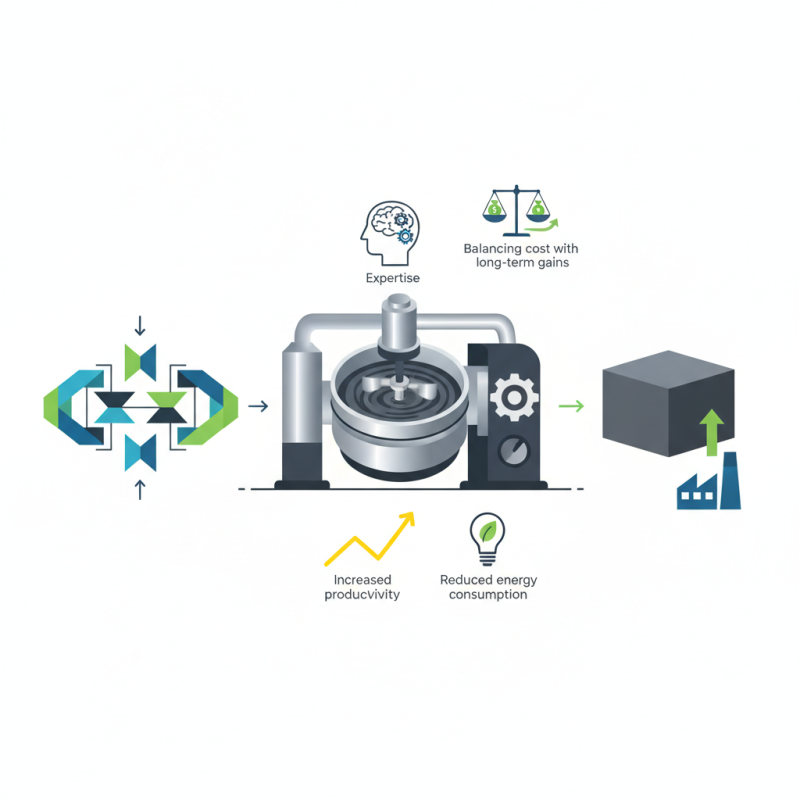
Carbon Paste Kneaders are designed to mix and blend materials effortlessly. Their unique design not only ensures even mixing but also helps in reducing energy consumption. Manufacturers often overlook the significance of investing in these machines. However, those who have embraced them acknowledge their superior performance in various applications.
With the right expertise, companies can streamline their operations. Productivity increases as Carbon Paste Kneaders enhance mixing quality. Yet, the investment may seem daunting at first. It requires careful consideration of needs and potential outcomes. Balancing cost with long-term gains is essential for any business looking to thrive in the competitive market.
Understanding Carbon Paste Kneaders and Their Functionality
Carbon paste kneaders are crucial in various manufacturing sectors, particularly in the battery and steel industries. They primarily facilitate the mixing and processing of carbon-based materials. These machines ensure a consistent product by evenly dispersing materials like graphite and coal tar pitch. According to industry reports, the global carbon paste market was valued at approximately $1.5 billion in 2022, with expectations of steady growth, emphasizing the importance of this equipment.
The functionality of carbon paste kneaders lies in their design. These mixers typically feature a set of rotating blades that create a homogeneous blend. The kneading process also allows for adjustments in viscosity and density, which manufacturers often require. Furthermore, a report by the International Energy Agency indicates that a 20% increase in efficiency was noted in production plants using advanced carbon paste technology. However, the complexity of operating these machines can present challenges. Proper training and maintenance are necessary to avoid mishaps that might lead to increased operational costs.
Many manufacturers struggle to find the right balance between automation and manual intervention. As technology advances, older models may not keep up. Regular evaluations and updates of kneading systems are needed. Optimizing this equipment can significantly impact production efficiency and material quality.
Key Advantages of Using Carbon Paste Kneaders in Manufacturing
When considering manufacturing needs, carbon paste kneaders offer distinct advantages. These machines are designed to handle viscous materials effectively. Their unique mixing action ensures uniform dispersion of components. This is vital for producing high-quality end products.
One of the key benefits of carbon paste kneaders is their efficiency. They often reduce processing time, which can lead to higher output. This efficiency can be crucial in meeting production deadlines. However, not all operations will benefit equally. It’s important to evaluate the specific requirements of your manufacturing process. Understanding your material properties can help in selecting the right equipment.
Tips for maximizing the use of carbon paste kneaders include regular maintenance checks. A well-maintained machine operates more effectively. Additionally, monitoring the temperature during processing can prevent issues like overheating. This can be a common problem that leads to inconsistent quality. Always take time to train staff properly on the machine’s operation. This can prevent mistakes that may cause delays or defects.
Applications of Carbon Paste Kneaders Across Various Industries
Carbon paste kneaders play a critical role in diverse industries. They effectively mix carbon-based materials, ensuring uniformity and optimizing production processes. Automotive, electronics, and battery industries extensively utilize these machines. For instance, in the battery sector, they enhance the quality of electrode materials, significantly impacting battery performance.
Recent reports indicate that the global battery market is projected to reach $150 billion by 2025, highlighting the importance of advanced manufacturing technologies. The consistent blending provided by carbon paste kneaders enables manufacturers to meet increasing demand and stringent quality standards. Without these kneaders, achieving the precise consistency necessary for high-performance batteries would be challenging.
In the automotive industry, carbon components are essential for reducing vehicle weight and improving fuel efficiency. However, achieving the ideal mixture can be tricky. Manufacturers often face challenges with uneven blending, leading to inconsistencies in product quality. Quality control remains a concern as not all manufacturers invest in advanced kneading technology. Yet, those who choose carbon paste kneaders often see improved product quality and competitive advantages.
Factors to Consider When Choosing Carbon Paste Kneaders
When selecting carbon paste kneaders for manufacturing, there are several critical factors to consider. One of the primary elements is the viscosity of the materials being processed. According to industry reports, the optimal kneader can handle a viscosity range of 100,000 to 1,000,000 cP effectively. This capability ensures consistency and quality in the final product.
Another important consideration is the heating and cooling capabilities of the kneader. Effective thermal management allows for precise control during processing. Data shows that around 70% of manufacturers have reported quality improvements by using kneaders with superior heating systems. Additionally, maintenance requirements should not be overlooked. Regular maintenance can prevent costly downtimes, but many manufacturers underestimate the time and resources needed for upkeep.
Finally, the scale of production must match the kneader’s capacity. A mismatch can lead to inefficiencies. For instance, smaller operations may struggle with oversized equipment, while large-scale producers may face bottlenecks with inadequately sized kneaders. Understanding these factors is crucial for making an informed decision that enhances production efficiency. Careful assessment of these aspects can lead to better investments and outcomes in manufacturing processes.
Maintenance and Care for Optimal Performance of Kneaders
Proper maintenance of carbon paste kneaders is essential for optimal performance. Regular checks can prevent costly downtime. Lubrication plays a vital role here. Ensure that all moving parts are adequately lubricated. Neglecting this can lead to increased wear and tear.
Cleaning is another critical aspect of maintenance. Residue buildup can affect product quality. Schedule regular cleaning sessions to remove any leftover materials. Use appropriate solvents that won’t damage the machine. This simple act can significantly improve efficiency.
Monitoring temperature and pressure also matters. Kneaders operate best within specific ranges. Operating above these limits can lead to malfunctions. Regularly check these settings to ensure they remain within safe parameters. Consider implementing a logbook for tracking performance trends. This record can help identify potential issues before they escalate.
Performance Comparison of Carbon Paste Kneaders
This bar chart illustrates the performance metrics for carbon paste kneaders in manufacturing. The data evaluates various aspects such as mixing efficiency, durability, maintenance ease, cost-effectiveness, and energy consumption. Choosing the right kneader enhances productivity and ensures optimal performance in manufacturing processes.