How to Choose the Best Home Energy Storage BMS?
Selecting the right Home Energy Storage BMS is vital for optimizing energy management in residential systems. According to a recent report by the International Energy Agency, the global home energy storage market is expected to grow to $23 billion by 2025. This rise reflects increasing consumer interest in renewable energy solutions and sustainability.
Dr. Emily Chen, a leading expert in energy storage technologies, emphasizes, “A robust Home Energy Storage BMS ensures not just efficiency, but also safety for your home.” Her insights highlight the importance of understanding the key features of a BMS. Factors such as capacity, efficiency ratings, and battery lifespan are crucial to consider.
However, choosing a BMS can be complex. Many homeowners may overlook essential specifications or get overwhelmed by technical jargon. It's important to evaluate each option based on specific needs. Seek products backed by solid industry reviews and certifications. Balancing technology with real-world usability is often a challenging task but absolutely necessary for effective energy management.
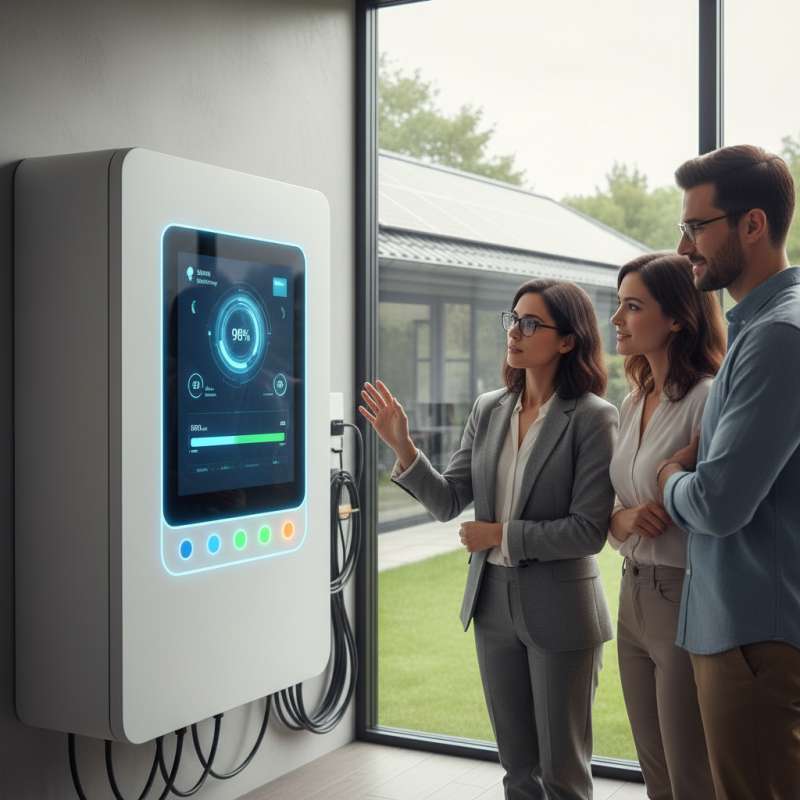
Understanding the Role of Battery Management Systems in Energy Storage
Battery Management Systems (BMS) play a crucial role in home energy storage. They monitor battery performance and ensure safety during operation. A reliable BMS optimizes charging and discharging cycles. This ultimately extends battery life and improves efficiency.
Choosing the right BMS requires understanding its features. Key elements include thermal management, cell balancing, and communication protocols. These features impact how well the system adapts to changing energy demands. Ignoring any of these can lead to performance issues. No system is perfect, and some setups may need manual adjustments.
An effective BMS also offers real-time data. This data can help you make informed decisions about energy use. However, many users might overlook this aspect. Not all systems provide the same level of insight. It’s important to evaluate your specific needs against what’s available. A BMS is only as good as its ability to respond to challenges effectively.
Battery Management Systems (BMS) Efficiency Comparison
Key Features to Look for in a Home Energy Storage BMS
When selecting a home energy storage Battery Management System (BMS), several key features should guide your decision. A reliable BMS ensures the safe operation of your battery system. According to a report from the International Renewable Energy Agency (IRENA), a well-designed BMS can enhance battery life by up to 30%. Look for systems that include thermal management. This technology helps regulate temperature, preventing overheating, which can lead to efficiency loss and battery failure.
Consider the monitoring capabilities of the BMS. Advanced systems provide real-time data on charge levels, remaining capacity, and discharge rates. A study from the Electric Power Research Institute (EPRI) indicates that effective monitoring can reduce operational issues by 40%. Such features enable users to make informed decisions about energy usage. Additionally, a good BMS should facilitate data logging for performance analysis over time. This information is vital for optimizing energy consumption and identifying patterns that may require your attention.
Compatibility is another crucial element. Ensure the BMS aligns with your existing energy systems. Installation can be complicated and costly if it's not compatible. When assessing options, demonstrate an understanding of user reviews and expert opinions, as these can highlight both strengths and potential weaknesses. A BMS should adapt to future energy needs. The technology landscape evolves, and your energy storage solution must remain relevant.
How to Choose the Best Home Energy Storage BMS? - Key Features to Look for in a Home Energy Storage BMS
| Feature | Description | Importance |
| Battery Management | Monitors battery health and performance, optimizing charge cycles. | Critical for maximizing battery lifespan. |
| Safety Features | Includes overcharge, over-discharge, and thermal protection. | Essential to prevent accidents and system failures. |
| Efficiency Rate | Measures how effectively the system converts energy. | Affects overall energy savings and performance. |
| Communication Protocols | Supports various communication standards for better connectivity. | Important for integration with home automation systems. |
| User Interface | Provides easy access to system information and controls. | Enhances user experience and ease of use. |
| Scalability | Ability to expand the system as energy needs grow. | Offers flexibility for future upgrades. |
| Warranty & Support | Includes manufacturer support and warranty terms. | Provides peace of mind and assurance of quality. |
Assessing Compatibility with Your Existing Energy System
When choosing a home energy storage battery management system (BMS), compatibility is critical. Assessing how well the BMS integrates with your existing energy systems can greatly influence performance and efficiency. Check the voltage requirements of your solar panels or wind turbines. Ensure the BMS can handle these specifications. A mismatch can lead to poor energy storage and reduced efficiency.
Consider your current inverter and battery types. Different systems communicate differently. Will your BMS work seamlessly with these? Understanding your system’s architecture is vital. Analyze how these components will interact. Poor integration can lead to disruptions or even damage. Pay attention to connection interfaces and protocols.
Installation is another area where compatibility matters. How will the BMS fit into your home’s existing layout? Complex installations can lead to costly mistakes. Simpler systems are more reliable. Adjustments may be needed for effective setup. Many people overlook this aspect, leading to needless frustration. Always review user feedback on similar setups. Their experiences can highlight potential pitfalls you might face.
Evaluating Safety Standards and Certifications for BMS
When selecting a Battery Management System (BMS) for home energy storage, evaluating safety standards and certifications is crucial. According to a recent report by the International Energy Agency, over 23% of battery-related accidents can be traced to inadequate safety measures. Hence, a trusted BMS should meet rigorous safety certifications, like IEC 62133 and UL 9540. These standards ensure that the system withstands extreme conditions, preventing failures that could lead to fires or toxic leaks.
Tips: Check whether the BMS has passed independent safety tests. Look for certifications that reflect high safety standards.
A well-designed BMS monitors cell temperatures and voltages continuously. It balances charge levels and balances between cells, enhancing overall safety and performance. However, safety ratings can vary widely. For instance, a BMS might be well-rated for thermal management but lack in over-voltage protection. This inconsistency highlights the need for thorough research and understanding of technical specifications.
Tips: Prioritize comprehensive safety features. Don’t settle for a BMS without sufficient documentation of its safety measures.
Cost Considerations and Long-Term Value of Home Energy Storage BMS
When considering home energy storage systems, cost is a significant factor. The initial investment can be substantial. However, it's essential to view this in light of long-term savings. A well-chosen battery management system (BMS) not only ensures optimal performance but also maximizes energy efficiency over time. A BMS helps maintain battery health, reducing replacement costs.
Another layer to consider is the potential for government incentives. Many regions offer rebates for energy storage installations. This can significantly offset upfront expenses. Yet, incentives may change, impacting your financial decision. It's important to stay informed about local policies.
Long-term value often outweighs initial costs. High-quality BMS systems can increase home energy independence. They enhance the efficiency of solar systems and help manage energy distribution smartly. However, selecting a system without thorough research could lead to unexpected costs. Balancing immediate budget concerns with future benefits is critical for making an informed decision.