How to Choose the Right Water Pump for Your Water Tank?
Selecting the right water pump for water tanks is crucial for efficiency and sustainability. The global water pump market is expected to reach over $60 billion by 2027, driven by the increasing demand for efficient water management systems. According to Dr. Emily Carter, a noted expert in water management solutions, "Choosing the right pump can significantly enhance a tank's performance and extend its lifespan."
Many homeowners and businesses overlook the importance of compatibility between their tank and pump. An unsuitable pump can result in inefficiency and may even lead to costly repairs. A recent study by the International Water Association highlighted that improper pump selection could reduce efficiency by up to 30%. This not only impacts water availability but also adds unnecessary costs.
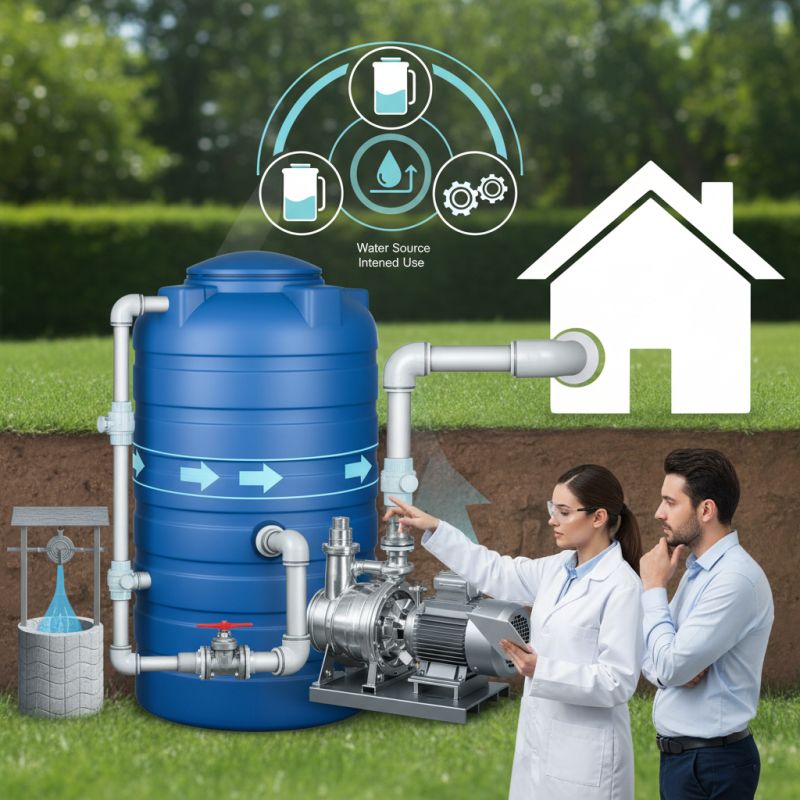
Understanding the specific requirements of your water tank is vital. Factors such as tank size, water source, and intended use all play a role. As Dr. Carter emphasizes, "Informed choices are essential for maximizing operational efficiency." As you consider options, keep these insights in mind. They can guide your decision-making process, helping you find the right water pump for your water tank.
Types of Water Pumps Suitable for Water Tanks
Choosing the right water pump is essential for your water tank. Different types of pumps offer unique benefits for various needs. Submersible pumps work well for deep installations. They can handle a lot of water and are efficient in many situations. However, they may suffer from wear and tear if used continuously.
Consider centrifugal pumps for above-ground setups. They are usually easy to maintain and can move liquids quickly. On the downside, they may not work as effectively in low water conditions. Diaphragm pumps can be a good option for specific applications. They are durable and handle viscous fluids well. However, they might not meet high flow rate requirements.
Keep in mind that each type has its strengths and weaknesses. Evaluate your specific needs carefully. Perhaps you have an older tank. In this case, a more energy-efficient pump may be necessary. Reflecting on these details can help you avoid costly mistakes later on. Always double-check installation requirements to ensure optimal performance.
How to Choose the Right Water Pump for Your Water Tank?
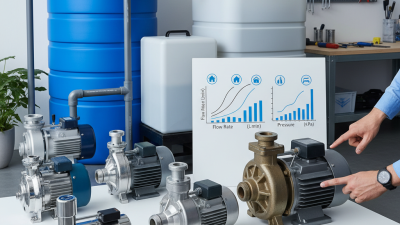
This chart displays different types of water pumps suitable for water tanks based on their flow rate capabilities expressed in liters per minute (L/min). Understanding these options can help in making an informed decision when selecting a water pump for your needs.
Factors to Consider When Selecting a Water Pump
Choosing the right water pump for your water tank requires careful consideration. One key factor is the pump's flow rate. This describes how much water the pump can move in a given time. Assess your tank's size and daily water usage to ensure the pump can meet your needs.
Another important aspect is the pump's power source. Electric pumps are popular for their efficiency. However, solar or manual pumps might fit specific circumstances better. Consider your location and available resources. You may also face initial installation challenges, which could require professional help.
Durability is crucial too. Pumps are exposed to different environmental conditions. Look for materials that resist corrosion and wear. Also, think about the noise level of the pump. Some people find loud pumps disruptive. A quieter model might be worth the extra cost. During your research, remember to read reviews to gauge performance and reliability. This process may have imperfections, but taking the time can lead to a better choice.
Evaluating Flow Rate and Pressure Requirements
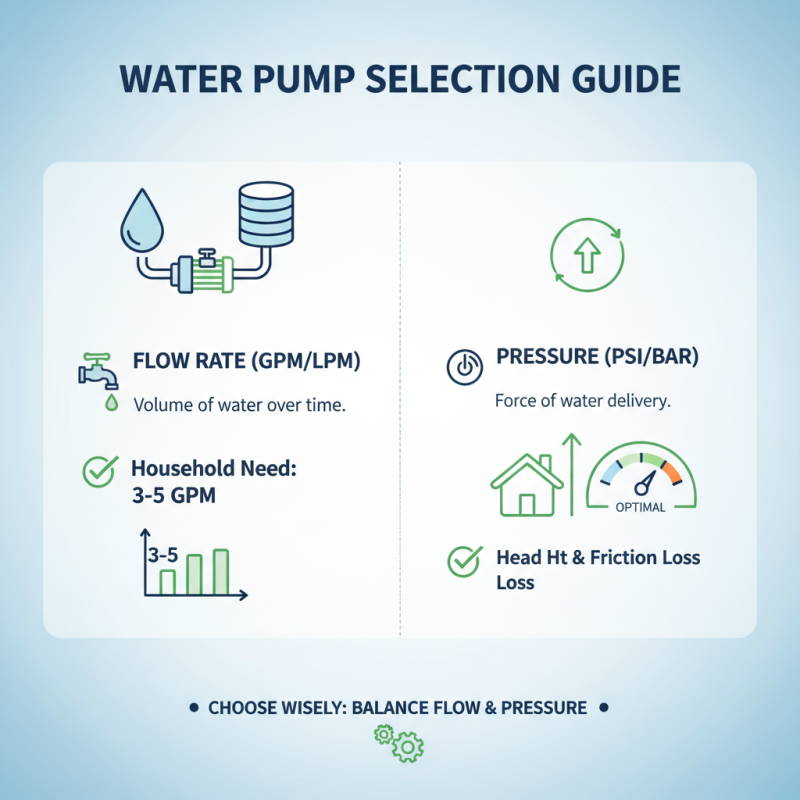
Choosing the right water pump for your water tank involves careful consideration of flow rate and pressure requirements. The flow rate represents the volume of water a pump can deliver in a specific timeframe, typically measured in gallons per minute (GPM) or liters per minute (LPM). Reports indicate that a household usually requires a flow rate of 3 to 5 GPM for effective water supply.
Pressure is equally critical. Higher pressure levels ensure that water reaches all areas of your home, especially upper floors. Average residential systems need pressure ranges from 30 to 60 psi (pounds per square inch). Remember, insufficient pressure can lead to inadequate water supply during peak usage.
Tips: Assess your water usage patterns. If you have multiple taps or appliances running simultaneously, a higher flow rate is vital. Additionally, consider installing a pressure switch to maintain consistent water pressure. Regularly inspect the pump’s performance to identify any inconsistencies. This proactive approach can enhance longevity and efficiency. Make sure to adapt your setup based on seasonal demands or changes in household size.
Understanding Energy Efficiency and Cost Implications
Selecting the appropriate water pump for your water tank can significantly impact your energy costs. Energy efficiency is a critical factor. A pump that operates efficiently can lead to substantial savings over time. Look for models with high-efficiency ratings, as they use less power and reduce electricity bills.
Consider your specific needs when choosing a pump. Assess the tank's size, the required flow rate, and your water source. Underestimating these factors can lead to poor performance and increased operational costs. A pump that is too small may run continuously, wasting energy, while one that is too large can lead to unnecessary waste.
Here are some tips to ensure a smart purchase:
- Research the pump’s energy consumption.
- Opt for variable speed pumps for better efficiency.
- Consider a timer to control operation hours.
Investing time in proper selection can yield long-term benefits. Think critically about your choices, as
even minor oversights can lead to inefficiencies.
Installation and Maintenance Tips for Your Water Pump
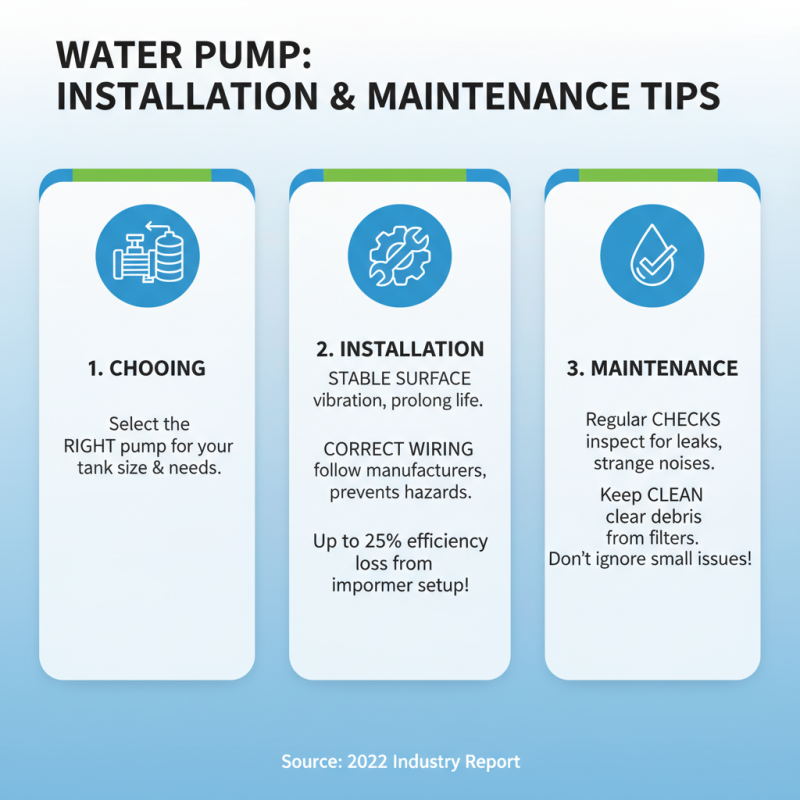
Choosing the right water pump is crucial for your water tank's efficiency. Proper installation ensures optimal performance. Begin by placing the pump on a stable surface. This minimizes vibrations and prolongs the pump's life. Follow manufacturer guidelines for electrical connections. Inadequate wiring can lead to failures and safety hazards. According to a 2022 industry report, improper installation can decrease pump efficiency by up to 25%.
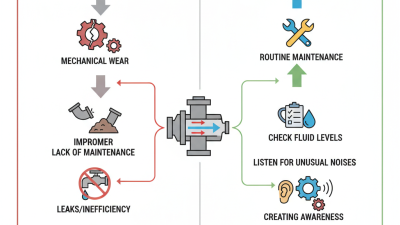
Regular maintenance cannot be overlooked. Schedule inspections every six months to check for leaks or corrosion. Clean the inlet screen to prevent clogging, which can impair water flow. A 2023 study indicated that 40% of pump failures resulted from lack of maintenance. Replace worn parts promptly to avoid further damage. However, not all users heed these precautions, leading to costly repairs.
Understanding the pump's limits is essential. Overworking it can lead to overheating and failure. Know your water tank's capacity and the pump's specifications. This match ensures a longer lifespan. Many users overlook this, resulting in frequent replacements. Adopting a consistent maintenance routine is key to reliable operation. It is not just about installation but also about ongoing care.