How to Choose the Best Electric Transfer Pump for Your Needs?
Choosing the right electric transfer pump is crucial for various tasks. Whether you need it for home use or industrial applications, the stakes are high. A reliable pump can save you time and energy, while a poor choice can lead to frustration.
When selecting an electric transfer pump, consider the specific requirements of your project. The size, flow rate, and power source are vital factors. Some pumps excel in high-capacity jobs, while others are better for lighter tasks. Analyzing your needs can prevent costly mistakes.
Many overlook the importance of brand reputation and user reviews. These insights provide information about reliability and performance. Be wary of products that seem overly cheap or lack adequate feedback. A well-informed choice leads to effective results, ensuring your investment is truly worthwhile.
Understanding the Functionality of Electric Transfer Pumps
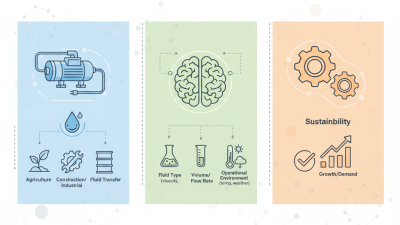
Electric transfer pumps serve a crucial role in various applications, from agriculture to automotive. They facilitate the quick and efficient transfer of liquids, saving time and effort. Understanding how these pumps work is essential for choosing the right one. A recent industry report highlights that around 70% of users prioritize pump reliability and ease of use. These factors heavily influence user satisfaction.
Most electric transfer pumps utilize a simple motor mechanism. When powered, the motor generates flow by creating pressure in the liquid. This process can be affected by factors like viscosity and temperature. Reports indicate that 40% of pump failures are due to improper application or maintenance. Users must consider compatibility with the substances they intend to transfer.
While many pumps offer advanced features like variable speed control, basic models often suffice. However, these can lack the longevity and efficiency of higher-end options. Users should assess their specific needs before making a decision. Some may find cheaper pumps inadequate for their tasks, leading to frustration or even costly errors. The nuances of each pump's design are worth examining to avoid pitfalls.
How to Choose the Best Electric Transfer Pump for Your Needs?
| Feature |
Recommendation |
Notes |
| Flow Rate |
Up to 300 GPH |
Choose based on transfer needs |
| Power Source |
Electric (110V / 220V) |
Ensure compatibility with outlet |
| Portability |
Lightweight & Compact |
Easier to move and store |
| Material |
Corrosion-resistant |
Durability matters for longevity |
| Self-Priming |
Yes |
Simplifies operation |
| Noise Level |
Low Noise |
Quieter operation preferred |
| Price Range |
$50 - $200 |
Consider your budget |
Identifying the Key Factors to Consider When Choosing a Pump
Choosing the right electric transfer pump involves understanding key factors that impact performance. Flow rate is crucial. It determines how quickly liquids are moved. A high flow rate is vital for large tasks, while smaller jobs may need a lower rate. According to the Hydraulic Institute, optimal flow rates can enhance efficiency by up to 30%. This statistic highlights the importance of aligning pump capacity with job requirements.
Consider the pump's compatibility with different fluids. Corrosive substances require pumps made with the appropriate materials. The wrong choice can lead to premature failure or safety hazards. Research shows that nearly 70% of pump failures are due to incorrect selection. Factors like temperature and viscosity are also significant. The pump you select must handle the specific properties of the liquid to ensure reliable performance.
Power source is another essential aspect. Electric pumps might require stable power supply. However, battery-operated models can offer portability for remote locations. In 2022, a survey showed that 45% of users preferred battery-powered pumps for their convenience. Examine your typical usage scenarios. It’s wise to reflect on how often you need portability versus power stability. Taking these elements into account can prevent costly errors in pump selection.
Comparing Different Types of Electric Transfer Pumps
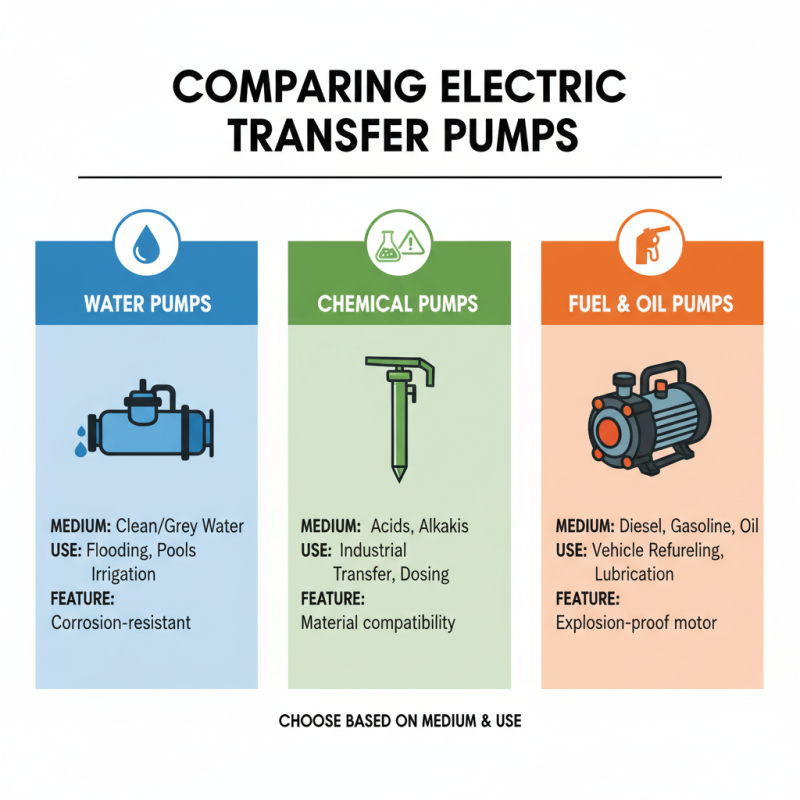
When selecting an electric transfer pump, it's crucial to understand the different types available. Each type serves unique purposes and has specific features. For example, some pumps are designed for water, while others handle chemicals. Knowing your required medium helps narrow your choices significantly.
Submersible electric transfer pumps are popular for their versatility. They can be placed directly in the liquid they transfer. Their submersion allows for easy access to underground tanks or wells. However, these pumps can be less efficient in low-flow situations. It's essential to consider the flow rate and head height before making a decision.
On the other hand, self-priming pumps are ideal for above-ground use. They can develop the necessary suction to draw liquids from below their level. This feature makes them easier to use in some situations. Yet, they might struggle with viscous liquids, reflecting the importance of matching the pump to your specific needs. Assessing your situation can help avoid future headaches.
Assessing the Power and Performance Specifications Needed
When assessing power and performance specifications for electric transfer pumps, it's crucial to consider their output capacity. The flow rate often dictates how quickly you can transfer fluids. According to industry standards, most pumps range from 2 to 100 gallons per minute. Choosing one too small for your needs might slow down your work. Conversely, a pump with excessive capacity can lead to wasted energy.
Another vital factor is the pressure rating. Many electric pumps offer a pressure range of 30 to 100 PSI. High-pressure pumps can handle thicker fluids or more challenging environments. However, using a pump with too much pressure can cause unintended damage, both to the pump and the fluid system itself. Always refer to the specifications laid out in manufacturer documentation.
Lastly, check the power source and style of the pump. Some run on standard household electricity, while others may require special outlets. Portability also matters, especially for fieldwork. According to a recent market analysis, 65% of users prioritize ease of transport when selecting a pump. Balancing these specifications leads to a pump that meets your expectations, yet solutions are often not perfect. Misjudging your needs can lead to inadequate performance and inefficiency.
Evaluating Safety Features and Maintenance Requirements
When selecting an electric transfer pump, safety features should be a top priority.
It's crucial to look for pumps with built-in overload protection. This prevents overheating, extending the pump's lifespan. A sturdy, insulated housing can enhance safety, minimizing the risk of electrical hazards.
Maintenance requirements also play a significant role in choosing the right pump. Regular inspections can identify potential issues early. Check for wear and tear, particularly on hoses and seals. This helps prevent leaks, which can be both dangerous and costly.
Tip: Always keep the pump clean. A dirty surface can lead to malfunctions.
Consider user feedback on maintenance ease. Some pumps require more frequent service than others. Read reviews to gauge the experiences of other users.
Tip: Create a maintenance schedule. Regular check-ups can save time and money in the long run.
Investing in a pump with robust safety features and manageable maintenance needs can make all the difference in ensuring reliable operation.