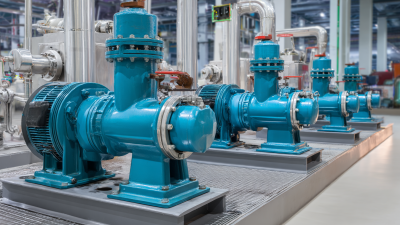
How to Choose the Best Pressure Pump for Water Needs?
Choosing the right pressure pump for water can feel overwhelming. Many options exist, and each has unique features. According to Dr. John Thompson, a noted expert in hydraulic engineering, “Selecting a pressure pump for water is more about understanding your specific needs than just picking the most popular model.”
Understanding those needs is crucial. Think about how much water you require and where it will be used. Pumps vary in their capabilities, and not all will suit your situation. Some may provide high pressure for irrigation while others are ideal for residential use. Yet, many buyers overlook their actual needs and choose pumps that do not fit well.
Consider your long-term goals. Will the pump handle future demands? Reflecting on the pressures of your current water system can lead to better choices. If you rush into a purchase, it may result in regret later. Finding the perfect pressure pump for water is a journey. Understanding what you truly need is the key to making a wise investment.
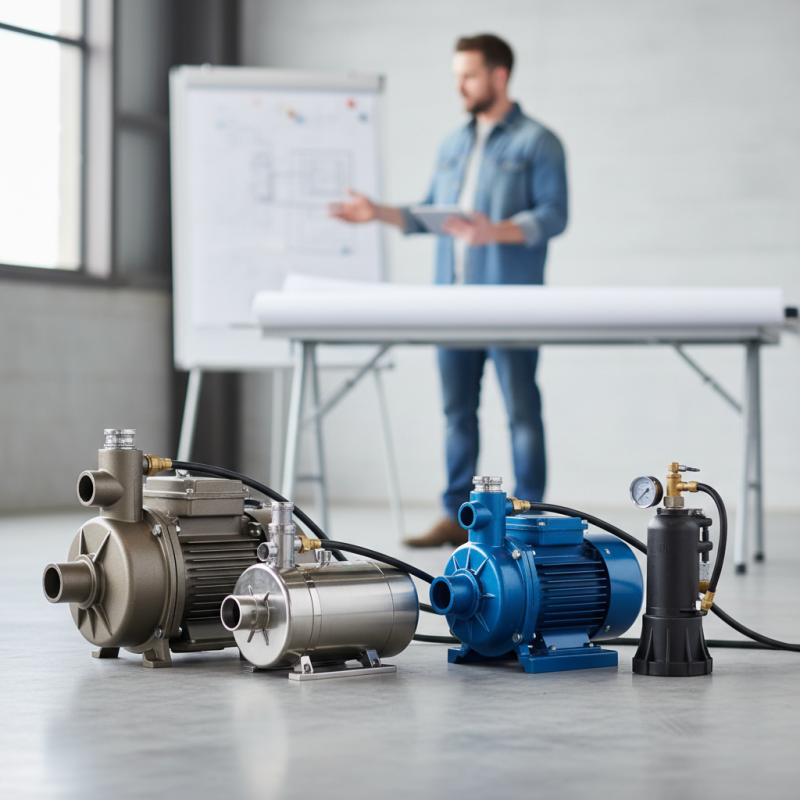
Understanding Your Water Supply Requirements
Choosing the right pressure pump starts with understanding your water supply needs. Assess how much water you require daily. Do you need it for irrigation, household use, or both? Knowing this can help narrow your options.
Tips: Measure your water usage for a week. This gives you a clear idea of your daily requirements.
Consider the source of your water. Is it from a well, rainwater, or municipal supply? Each source has unique characteristics. For example, well water can vary in depth and pressure.
Tips: Test your water source. A simple flow rate test can reveal a lot about your supply.
Think about the pressure needed for your applications. Some uses, like washing cars, require more pressure. Others, like watering plants, may not.
Tips: Be cautious. Too much pressure can damage pipes. Balance is key for efficient use.
As you decide, remember that your needs may change over time. Be flexible with your choice.
Water Supply Requirements and Pressure Pump Selection
Types of Pressure Pumps Available on the Market
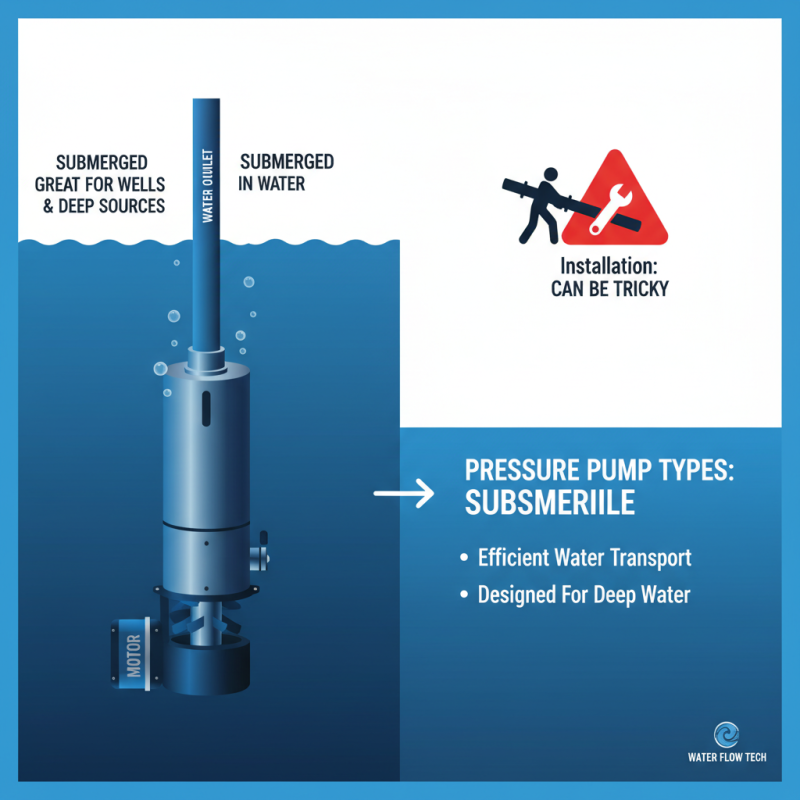
When choosing a pressure pump for your water needs, understanding the types available is crucial. There are several common types of pressure pumps on the market. Submersible pumps are designed to be submerged in water. They are great for wells and deep sources. Their efficiency in transporting water is undeniable, but installation can be tricky.
Jet pumps are another option. They work by creating a vacuum to draw water in. These pumps are often used for shallow wells. They can be simpler to set up than submersible models. However, they may not work well in all scenarios, especially if water levels fluctuate.
Lastly, consider variable speed pumps. These pumps adjust their operation based on demand, providing energy efficiency. They can supply consistent pressure, which is a significant advantage. Yet, they might require more maintenance, leading to potential long-term costs. In evaluating your needs, reflect on how each type aligns with your specific situation. There’s no perfect solution; balancing efficiency, installation ease, and maintenance requirements is part of the process.
Factors to Consider When Selecting a Pressure Pump
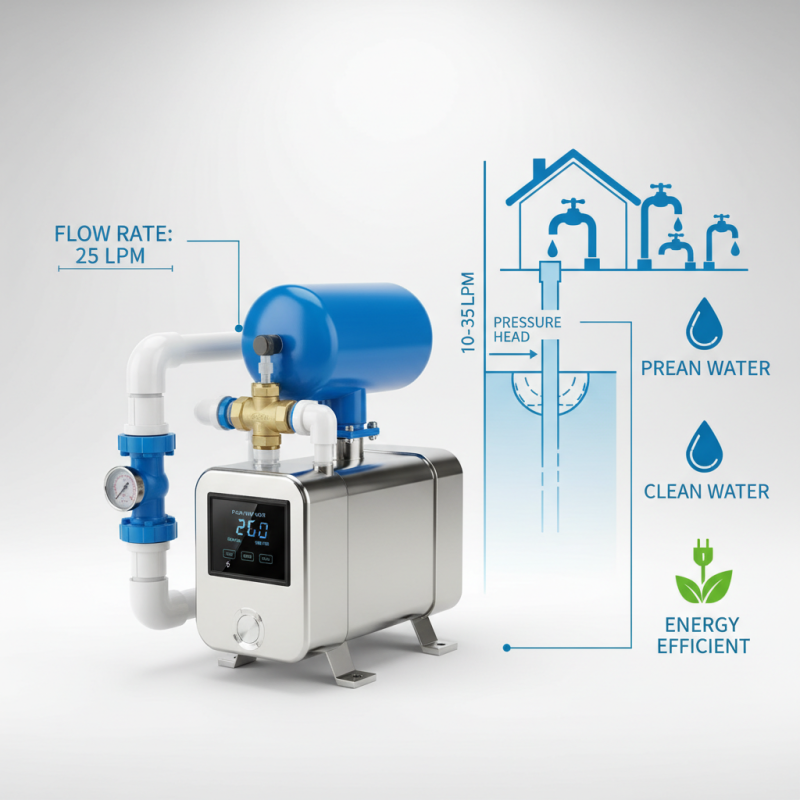
Choosing the right pressure pump can seem complex. However, focusing on key factors can simplify the process. Start with the flow rate you need. For residential use, an average flow rate is around 10 to 35 liters per minute. This ensures sufficient water supply for daily tasks.
Consider the pressure level too. Typical household pressure is around 30 to 50 PSI. Higher pressure may be needed for specific applications, such as irrigation. Remember, applying too much pressure can lead to pipe damage, while too little can hinder performance.
**Tip:** Identify the specific use before selection. For example, a garden setup may require different specifications compared to indoor usage. Additionally, consider the pump's durability and maintenance needs. Research indicates that improper maintenance can reduce efficiency by about 20%.
Pay attention to energy efficiency as well. Look for pumps with low energy consumption ratings. They not only save money but also reduce environmental impact. Always compare multiple models to ensure you're making an informed choice. Sometimes, the most popular option isn't the best for your needs.
Evaluating Pump Performance and Efficiency Ratings
When choosing a pressure pump for your water needs, assessing performance is key. Look for flow rate metrics. This indicates how much water the pump can move per minute. Higher flow rates often mean more efficiency for large tasks. However, a high flow rate may not always be necessary. For smaller applications, a lower rate can suffice. It is essential to balance needs with actual usage.
Efficiency ratings are crucial in determining long-term costs. A pump with a high efficiency rating consumes less power. This can lead to savings over time. However, efficiency does not mean high initial costs. Some affordable pumps may offer decent efficiency. Yet, they could have longevity issues. Assess each option carefully before making a decision.
Don’t just focus on numbers. User feedback plays a vital role too. Reviews can provide insights into real-world performance. Sometimes, touted specifications don’t match practical applications. Identifying these discrepancies can save money and time. Always reflect on your specific requirements and environmental factors for the best choice.
Maintenance Tips for Ensuring Longevity of Your Pressure Pump
Maintaining your pressure pump is crucial for its longevity. A well-maintained pump can extend its life by 30% to 50%. Regular checks can prevent unexpected breakdowns. You should inspect seals and gaskets for wear and tear. These small components can lead to leaks or pressure losses.
Cleaning the pump filter is also essential. Clogged filters reduce efficiency. Reports suggest that cleaning filters regularly can save up to 15% in energy costs. Use clean water for all maintenance tasks. Contaminated water can cause irreparable damage to the internal components.
Listening for unusual noises can catch problems early. A whining sound might indicate bearing wear. Delaying repairs could result in costly replacements. Monitoring performance metrics, such as pressure and flow rate, helps detect issues. Schedule annual professional maintenance for a comprehensive check. Remember, neglecting basic upkeep leads to bigger headaches down the line.
How to Choose the Best Pressure Pump for Water Needs? - Maintenance Tips for Ensuring Longevity of Your Pressure Pump
| Feature |
Description |
Maintenance Tip |
| Pump Type |
Types include centrifugal, positive displacement, and submersible pumps. |
Choose the type that fits your needs; regularly check for wear and tear. |
| Power Source |
Electric, gas, or solar-powered options available. |
Ensure power supply is stable; inspect cords and connections. |
| Flow Rate |
Measured in gallons per minute (GPM); depends on water needs. |
Regularly monitor flow rate; clean filters to maintain performance. |
| Pressure Rating |
Measured in PSI; should match application requirements. |
Test pressure settings regularly; avoid high-pressure situations that strain the pump. |
| Material |
Common materials include stainless steel, plastic, and cast iron. |
Inspect for rust or corrosion; clean regularly to prolong life. |
| Size and Portability |
Size impacts installation; consider if portability is necessary. |
Store in a dry place; handle carefully during transport. |