How to Choose the Right Ground Rod Copper for Your Needs?
Choosing the right Ground Rod Copper for your electrical grounding needs is essential for safety and efficiency. Ground rods serve as a vital link between electrical systems and the earth. According to the National Electrical Code (NEC), proper grounding can reduce the risk of electrical faults and enhance functionality.
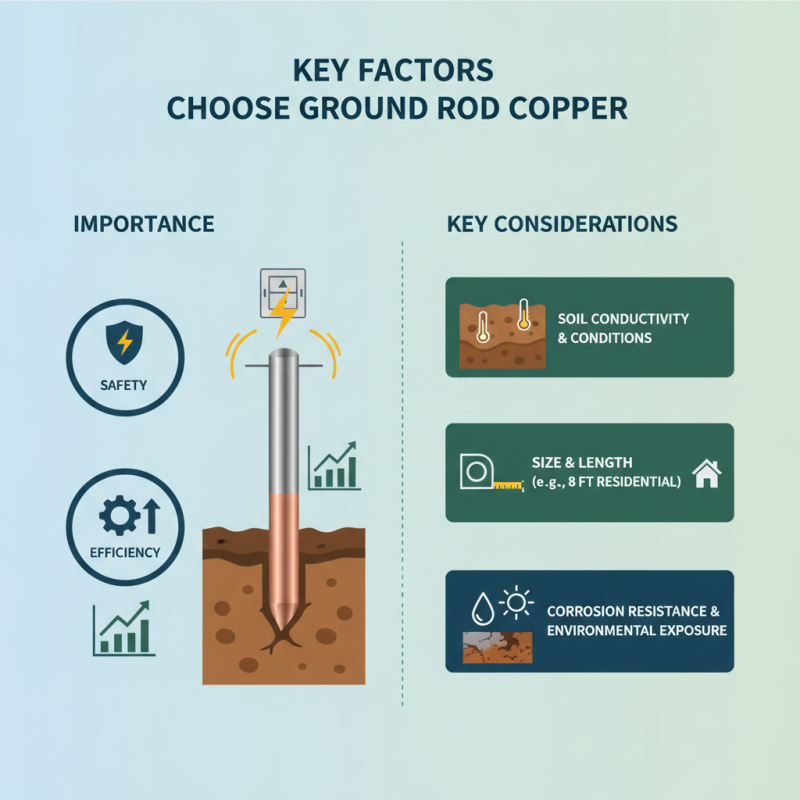
Copper ground rods are favored for their conductivity and durability. A report from the Institute of Electrical and Electronics Engineers (IEEE) indicates that copper rods can provide better corrosion resistance than other materials. However, selecting the appropriate size and length can be confusing. The standard length for residential applications is typically 8 feet, but this can vary based on soil conditions and local codes.
Investing in high-quality Ground Rod Copper is crucial. However, many consumers might overlook critical factors, such as soil conductivity and environmental exposure. Ground rods must perform efficiently over time; poor choices can lead to increased maintenance costs and safety hazards. It’s important to evaluate both the immediate benefits and long-term implications of your selection.
Understanding Ground Rod Copper: Types and Specifications
Choosing the right ground rod copper involves understanding its types and specifications. Ground rods are essential for electrical safety. They provide a path for electrical faults to dissipate into the earth. This protects both equipment and people from electric shocks.
There are various types of ground rod copper available. Typical options include solid copper and copper-bonded steel. Solid Copper Rods offer excellent conductivity but may be more expensive. On the other hand, copper-bonded rods are more affordable and still offer good performance. The length and diameter also matter. A longer rod has a larger surface area, enhancing grounding efficiency.
Consider your project's specific requirements. Not every application needs heavy-duty grounding. In some cases, a smaller rod suffices. However, some installations may require deeper grounding. Always check local codes and standards for compliance. This can prevent costly mistakes down the road. Reflect on your needs and avoid overlooking the details.
Key Factors to Consider in Ground Rod Copper Selection
When selecting the right ground rod copper, start with understanding the application. Are you using it for residential or commercial purposes? This dictates the needed specifications. Standard lengths vary, typically from 8 to 10 feet, but your local code may require adjustments. Pay attention to copper thickness as well. A thicker rod often provides better conductivity and durability.
Consider the soil conditions at your site. Different soils have varying resistivity levels. In sandy or dry areas, a longer rod may be necessary. Conversely, moist or clay-rich soils require less length but demand careful installation. Evaluate the installation process too. Some sites may necessitate specialized tools or techniques, increasing overall cost and complexity.
Finally, budget constraints also play a critical role. While it might be tempting to opt for the cheapest option, quality should not be compromised. Inferior materials can lead to greater long-term issues. A balanced approach to quality and cost often yields the best results. Reflections on previous installations can inform your choices and enhance effectiveness.
Industry Standards for Ground Rod Copper Material and Testing
When selecting a ground rod copper, understanding industry standards is essential. Standards dictate the material composition and testing methods for grounding rods. A reliable ground rod consists of specific copper alloys that ensure optimal conductivity and durability. Testing procedures typically involve measuring resistance and verifying structural integrity.
Tips: Always question the specifications provided. Not all vendors meet the standards. Look for certifications that confirm the material quality.
It’s important to reflect on your specific needs. A copper ground rod should complement your system's requirements. Assess the environmental conditions where the rod will be installed. These factors can influence the effectiveness of grounding.
Tips: Consider local regulations. Some areas may have particular requirements for grounding systems, affecting your choice.
Incorporating quality copper material is vital. However, even high-quality rods can fail if not installed correctly. Ensure you follow proper installation practices, and regularly check the connections.
Comparison of Different Ground Rod Copper Materials
Comparative Analysis of Ground Rod Copper vs. Other Materials
When selecting grounding rods, material choice significantly impacts performance. Copper is often favored for its excellent conductivity and resistance to corrosion. This durability ensures long-term reliability, especially in harsh environments. However, copper can be more expensive than some alternatives. For those on a tighter budget, carbon steel might seem attractive. It is cheaper, but it tends to corrode much quicker, especially in moist soils. This could lead to higher replacement costs down the line.
Aluminum is another option gaining traction. It is lighter and cheaper than copper, making it a practical choice for some applications. Still, aluminum's conductivity isn't as high as copper's, which might affect performance. Ensuring sufficient grounding is critical for safety and equipment longevity. When comparing these materials, consider not just initial costs, but also long-term implications. In certain situations, cost-effective solutions may introduce unforeseen issues later. Balancing budget constraints with performance expectations requires careful thought. Each material has pros and cons that must align with specific needs and conditions.
Maintenance and Lifespan of Ground Rod Copper Installations
Maintaining your ground rod copper installations is crucial for their effectiveness and longevity. Regular inspections should be part of your routine. Look for visible signs of corrosion or wear. A thriving environment could accelerate degradation. It is essential to ensure that connections are secure. Loose connections can lead to increased resistance, reducing the system's efficiency.
The lifespan of copper ground rods can vary. Factors such as soil conditions, moisture levels, and installation depth play significant roles. Though copper is resistant to corrosion, it is not immune. Be aware that extreme environmental conditions can shorten its lifespan. Consider using additional protective measures like anti-corrosion coatings. These can extend the life of your installation and improve overall performance.
Reflect on your current ground copper setup. Are you performing regular checks? Issues can easily slip through unnoticed. You might miss subtle warning signs. Inadequate maintenance can lead to potential failures. It’s advisable to document maintenance activities. This practice helps evaluate the longevity of your installations. Keeping an eye on your system ensures it remains effective in grounding applications.