2026 How to Choose the Right Fountain Pump for Your Garden
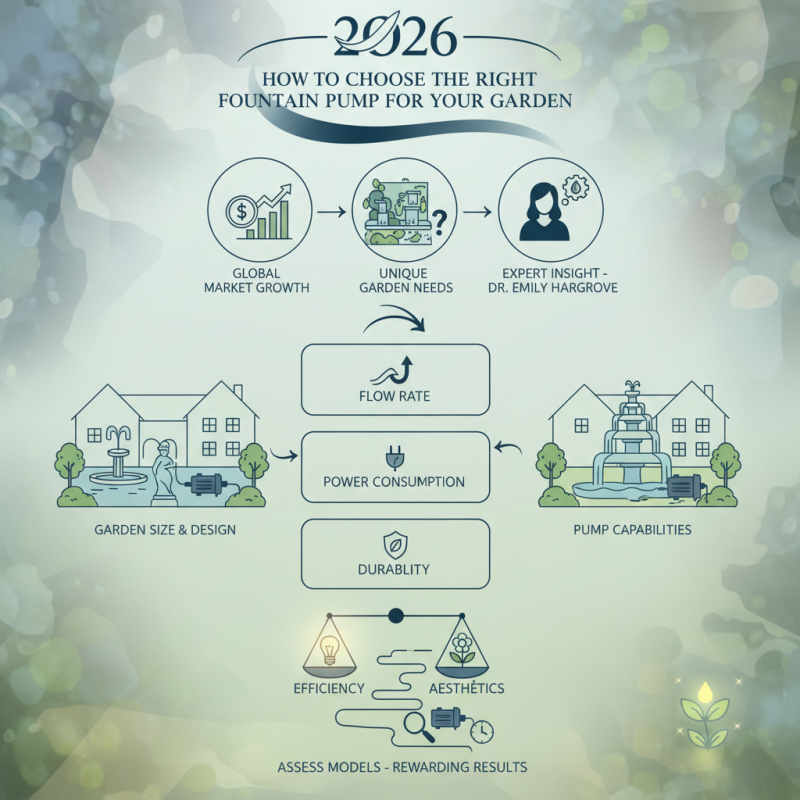
Choosing the right fountain pump for your garden can transform your outdoor space into a tranquil haven. According to industry reports, the global fountain pump market was valued at approximately $320 million in 2022, and it is expected to grow steadily. Each garden has unique water features that require specific pump capabilities.
Expert in water features, Dr. Emily Hargrove states, “The right pump is essential for achieving the desired water movement and aesthetics.” When selecting a fountain pump, consider the pump's flow rate, power consumption, and durability. A pump that works efficiently for one fountain may underperform in another.
Understanding your garden's size and water feature design will guide your choice. Remember, not all pumps are created equal. Many top-rated pumps can fail under different conditions. Reflecting on the options available can be overwhelming. Seek a balance that combines efficiency with the aesthetics of your garden. Taking time to assess various models will yield rewarding results.
Understanding the Importance of a Quality Fountain Pump for Gardens
A quality fountain pump is essential for any garden. It ensures the water circulates properly, keeping the fountain clean and preventing algae growth. A poorly functioning pump can lead to stagnant water, which attracts insects and can damage the pump itself. Understanding your garden’s unique needs will help you choose the right pump.
Tips: Consider the size of your fountain when selecting a pump. A small fountain needs less power, while larger installations require more robust options. Additionally, examine the flow rate. A good pump should allow you to adjust the flow for optimal performance.
Installation and maintenance also matter. Regular checks on your pump can prevent major issues. Clean the filter to ensure smooth operation. However, even with care, a pump may still have problems. Knowing how to troubleshoot can save time and resources. Don’t hesitate to consult with a reputable expert if needed.
Key Factors to Consider When Selecting a Fountain Pump
Choosing the right fountain pump plays a crucial role in enhancing your garden's aesthetics. Key factors to consider include flow rate, pump type, and pond size. The flow rate determines how much water the pump can circulate. It should match your fountain's design to achieve the desired visual effect. According to industry standards, a pump's flow rate might range from 40 to 600 gallons per hour, depending on the fountain size.
Pump types vary, each serving different needs. Submersible pumps, for example, are common in garden fountains. They operate quietly and are easy to install. On the other hand, external pumps are more powerful and efficient for larger water features. Important data from a recent market study indicated that 65% of garden enthusiasts prefer submersible pumps due to their convenience and low maintenance requirements.
Another vital consideration is energy efficiency. Many pumps operate continuously, which can lead to high energy costs. The U.S. Department of Energy suggests that selecting an energy-efficient pump can save up to 30% on operation costs. A good pump should balance power and consumption. This approach might require some research and reflection on available options. Understanding these factors helps create a sustainable and beautiful garden fountain.
Types of Fountain Pumps: Which One Suits Your Garden Best?
Choosing the right fountain pump can greatly enhance your garden's aesthetic. There are various types available, each with unique features. Understanding these options is crucial for creating the desired ambiance in your outdoor space.
Submersible pumps are a popular choice for small to medium fountains. They are easy to install and operate quietly. However, they might require regular cleaning to prevent clogs. For larger installations, external pumps offer more power and efficiency. They do need more space and can be louder than submersible models, which is worth considering.
Solar-powered pumps are becoming increasingly popular. These environmentally friendly options work without electricity. They are ideal for remote areas but depend on sunlight. If your garden doesn't receive consistent sun, a traditional electric pump may be a better fit. Evaluate your garden's layout and how often you use the fountain. This reflection can guide you to the right choice, ensuring your fountain remains a tranquil focal point.
2026 How to Choose the Right Fountain Pump for Your Garden
| Pump Type |
Flow Rate (GPH) |
Max Head Height (ft) |
Power Source |
Ideal Use Case |
| Submersible Pump |
500-1200 |
4-8 |
Electric |
Small to medium fountains |
| Solar Pump |
100-400 |
3-6 |
Solar |
Eco-friendly setups |
| Inline Pump |
800-3000 |
10-20 |
Electric |
Large installations |
| Fountain Pump Kit |
300-700 |
5-10 |
Electric |
Ready-to-use solutions |
Calculating Water Flow Rate and Head Height for Optimal Pump Performance
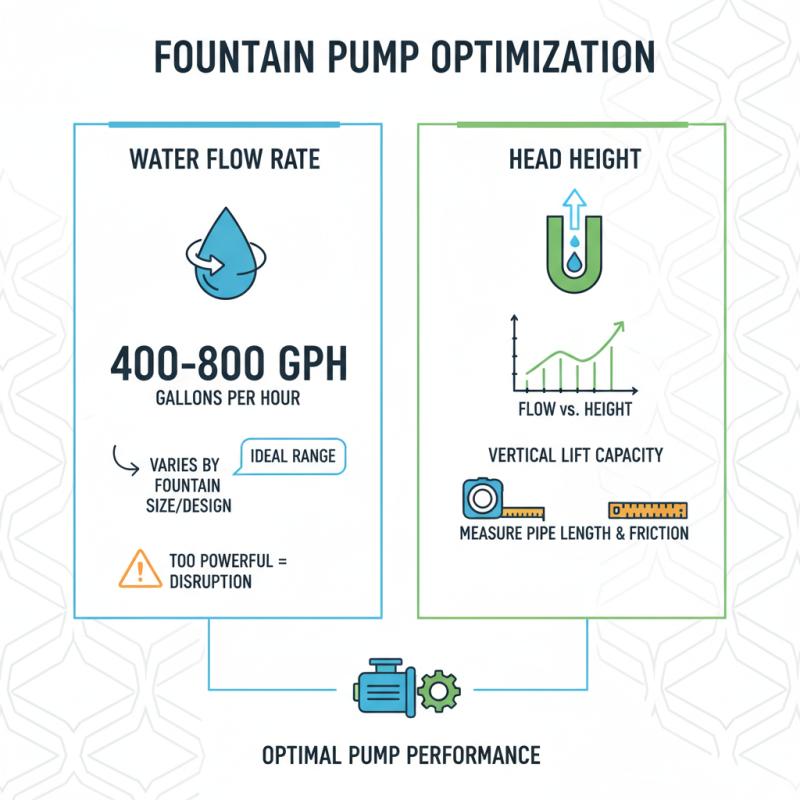
When selecting a fountain pump, understanding water flow rate and head height is critical. The flow rate measures how much water the pump moves within a specific time. According to industry data, most fountain pumps operate efficiently at 400 to 800 gallons per hour (GPH). However, the ideal flow rate varies based on fountain size and design. It’s essential to calculate the flow requirements accurately. A pump that is too powerful can disrupt the serene ambiance of the fountain.
Head height refers to the vertical distance a pump can push water. Each pump has a maximum head height, which affects its performance. For instance, many garden fountains require a head height between 3 to 10 feet. Exceeding this limit can cause reduced efficiency. The American Society of Agricultural and Biological Engineers emphasizes that a mismatch in head height and flow rate leads to pump failure. Testing different configurations can be enlightening but time-consuming. Carefully exploring these metrics will enhance not only your garden's aesthetic but also the longevity of your pump system.
Selecting the right pump involves balancing these factors. Having the right flow and head is not just about numbers; it’s about creating a functional and beautiful environment. Miscalculations or underestimations can lead to performance issues. Knowing these aspects fosters a deeper connection to the garden, encouraging engagement and responsiveness to the plants’ needs.
Maintenance Tips to Ensure Longevity of Your Fountain Pump
Maintaining your fountain pump is crucial for its longevity. Regular maintenance helps prevent issues that could lead to costly repairs or replacements. Start by checking the pump's intake screen. Remove debris and buildup to ensure proper water flow. A clean screen can enhance performance and prolong the pump's life.
Another important aspect is clearing the electrical components. Moisture and dirt can cause corrosion or electrical faults. Inspect connections regularly. If you spot frayed wires, address the issue promptly. Consider using a protective cover for your pump when it’s not in use. This simple step can extend its lifespan significantly.
Finally, remember to monitor the water level. If the water drains too low, your pump may run dry, causing damage. Set a reminder to refill or check your fountain regularly. While it might feel tedious, investing time in these tasks will pay off in the long run. Being proactive instead of reactive is key. Regular care means you can enjoy your garden fountain without interruption.