How to Choose the Right Jack Screw Flange for Your Projects?
Choosing the right Jack Screw Flange is crucial for project success. The integrity of this component directly influences overall performance. According to a recent industry report by the Global Flange Manufacturers Association, proper selection can enhance durability by up to 30%. This statistic emphasizes the importance of making informed choices.
Industry expert Dr. John Smith states, “The selection of a Jack Screw Flange should not be taken lightly. It’s the foundation for safety and reliability.” His insights reflect the critical nature of this decision. Different materials and designs offer unique benefits. Without thorough understanding, projects may face significant risks.
The process of choosing the right Jack Screw Flange can be overwhelming. Project managers need a deep understanding of specifications and applications. Small mistakes in selection can lead to costly setbacks. By reevaluating our choices and learning from past experiences, we can improve project outcomes greatly.
Understanding Jack Screw Flange: Definitions and Key Features
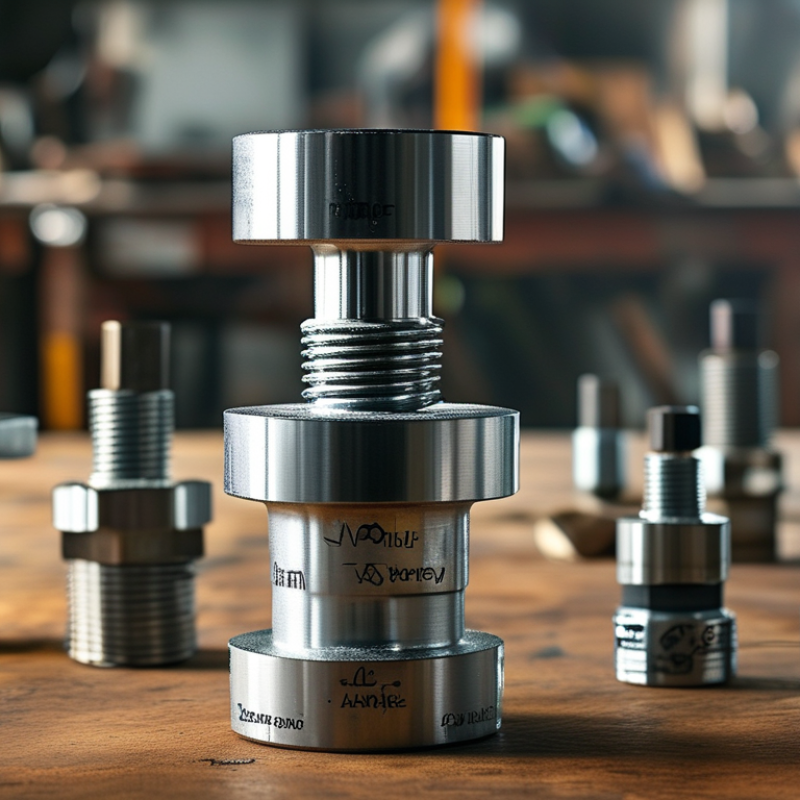
Jack screw flanges are crucial components in various mechanical setups. They provide a means of adjusting the alignment and securing different parts together. Understanding their definitions and features can make a significant difference in project outcomes. A jack screw flange typically consists of a flange base with an integrated screw mechanism. This allows for precise height adjustments.
Key features of jack screw flanges include load-bearing capacity and ease of installation. The load rating typically depends on materials used. For example, metal flanges often support heavier loads than plastic ones. Precision in adjustment is essential; inaccurate settings can lead to failures. Common issues revolve around torque and misalignment. Over-tightening might damage both the flange and the surrounding structure.
Many engineers overlook the importance of proper assembly. Each project has unique requirements. It’s valuable to account for the specific needs of each application. A mismatch in size or material might lead to inefficiencies. There’s a learning curve involved. Gaining hands-on experience will improve decision-making. Mistakes can be costly, but they also provide valuable lessons for future projects. Understanding these factors helps ensure the right choice is made.
Types of Jack Screw Flanges: Material Specifications and Applications
When selecting jack screw flanges, understanding material specifications is crucial. Common materials include carbon steel, stainless steel, and alloy steel. According to industry reports, stainless steel flanges offer better corrosion resistance. This makes them suitable for harsh environments. Carbon steel is often favored for cost-effectiveness but may lead to rusting over time.
Applications vary based on the material. For example, stainless steel flanges are widely used in food processing. They meet strict hygiene standards. On the other hand, carbon steel flanges work well in construction. They provide strength at a lower price point. A study from the American Society of Mechanical Engineers indicates that proper material selection can improve system reliability by up to 30%.
End-users must also consider the operational environment. A poorly chosen flange can lead to leaks. This could compromise system integrity. Moreover, not all flanges have the same yield strength. Misjudging this factor can create safety risks. The International Organization for Standardization emphasizes that adherence to material specifications is key to performance. This highlights the importance of careful evaluation in flange selection.
Load Capacity Considerations for Selecting Jack Screw Flanges
When selecting jack screw flanges, load capacity is a crucial factor. The load capacity determines the maximum weight that the flange can support safely. For instance, according to industry standards, a typical jack screw flange can support loads ranging from 500 to 5000 pounds. Engineers must consider the specific application demands to ensure safety and functionality.
It’s essential to evaluate the material of the flange as well. Higher quality materials can bear more weight without deforming. Stainless steel and special alloys are often recommended for tough environments. While this can increase initial costs, it usually pays off in long-term performance and safety.
Tip: Always verify the load capacity from credible sources or industry reports before making a decision.
Another consideration is the design. The geometry and surface area of the flange influence its load-bearing ability. Some designs distribute weight more evenly, reducing the risk of failure. The choice must balance between strength and practicality. A weaker flange can lead to unexpected project delays and increased costs.
Tip: Consult with engineering professionals to assess whether the flange meets your specific load requirements.
Installation Guidelines: Ensuring Proper Alignment and Torque Settings
Proper alignment and torque settings are crucial when installing jack screw flanges. Misalignment can lead to leaks and failures. According to industry reports, nearly 30% of flange-related issues stem from improper installation. This highlights the importance of following precise guidelines for alignment.
When installing a jack screw flange, ensure that the flange faces are clean and free from debris. Using a torque wrench helps achieve the proper torque settings. The recommended torque varies by flange size and material; for example, a small stainless steel flange may require 30 to 40 ft-lbs. However, over-torquing can cause damage. It’s essential to check the manufacturer’s specifications carefully.
Monitoring the alignment throughout the installation process is essential. Often, technicians may overlook slight misalignments, assuming they will correct themselves. In reality, even minor misalignments can lead to significant long-term issues. Regular training and auditing of installation processes can mitigate these risks. Industry standards recommend periodic inspections to maintain optimal performance.
Industry Standards: Compliance and Certification for Jack Screw Flanges
When selecting jack screw flanges, adherence to industry standards is critical. These standards ensure safety and performance in various applications. Organizations like ASTM and ASME provide guidelines on materials and design. Certified flanges meet stringent criteria for load-bearing capabilities and durability. Reports show that non-compliance can lead to increased failure rates, impacting project timelines and costs. A recent study found that projects utilizing certified components had 30% lower failure rates compared to those that did not.
The certification process for jack screw flanges includes rigorous testing. Compliance testing assesses factors like tensile strength, fatigue resistance, and corrosion resistance. A report by the International Organization for Standardization (ISO) indicates that 75% of failures in mechanical assemblies are linked to poor quality components. Therefore, choosing flanges that comply with standards is not merely a preference; it is a necessity for project integrity.
Understanding the certification marks also adds another layer of assurance. Engineers should be aware of various marks that indicate compliance. However, many overlook this crucial detail. Insufficient attention to these certifications can lead to costly mistakes. The complexity of standards can be daunting, yet they provide a safeguard against unexpected failures in the field. Prioritizing compliance fosters reliability, performance, and safety in all operations.
Jack Screw Flange Compliance and Certification Standards