What is Crt Tv Parts and How to Source Them Globally?
In the world of electronics, understanding Crt Tv Parts is crucial for both enthusiasts and repair professionals. CRT televisions have been iconic for decades, providing a unique viewing experience. However, sourcing spare parts for these devices can be challenging as production has mostly halted.
Many distributors focus on modern technology, leaving a gap for CRT TV enthusiasts. This scarcity requires a creative approach to sourcing, including exploring international markets. Knowing where to look and whom to contact can make all the difference in finding those elusive components.
As you venture into the global market for Crt TV parts, be aware of potential challenges. Quality assurance can be inconsistent, and shipping times may vary. Building relationships with reliable suppliers can help mitigate these issues. Embrace the journey of discovery, staying open to learning from both successes and setbacks in the sourcing process.
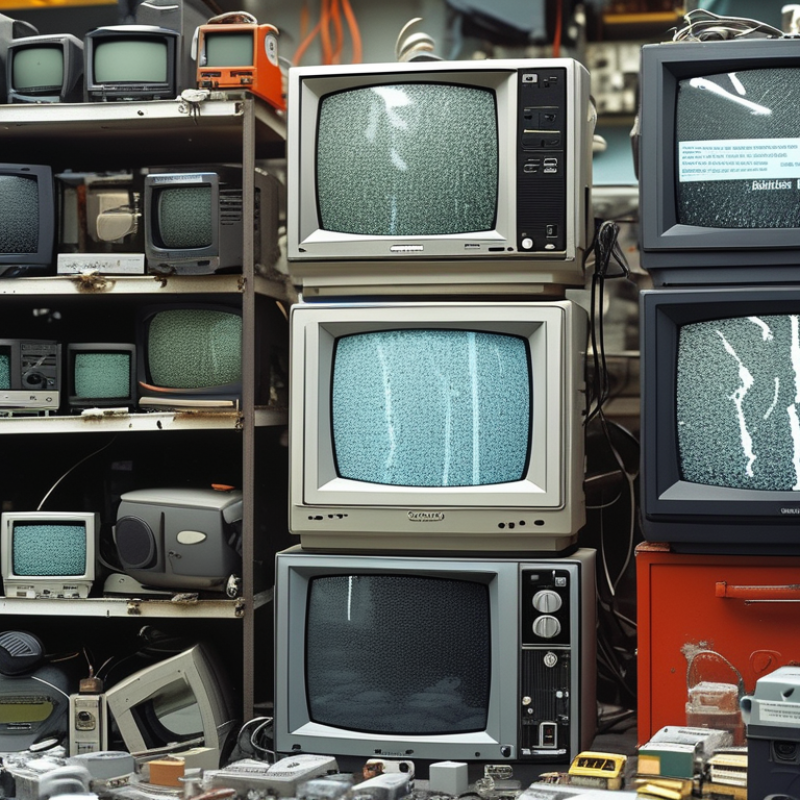
What Are CRT TV Parts and Their Functions in Television Technology?
CRT TV parts are essential components of older television technology. They include the cathode ray tube, flyback transformer, and deflection coils. Each part plays a specific role in the functioning of a CRT television. The cathode ray tube acts as the device's main screen. It receives electrical signals and converts them into visible images. The flyback transformer generates high voltage, which is crucial for the tube's operation. Deflection coils guide the electron beam to create images on the screen.
Understanding these parts can help you source them effectively. Many regions still have suppliers specializing in CRT parts. Whether online or locally, research is key. It's important to evaluate the reliability of sources. Look for platforms with positive reviews and a history of quality service. While sourcing, consider potential challenges. Some suppliers may have limited stocks or outdated parts. Ensure that the parts fit your specific needs. A small oversight can lead to dissatisfaction or non-functional devices. Embrace the learning process as you navigate this niche market.
CRT TV Parts and Their Functions
This chart illustrates the importance rating of various CRT TV parts, highlighting their critical roles in the functioning of traditional television technology.
Key Components of CRT TVs: Understanding the Main Parts and Their Roles
CRT TVs, or cathode ray tube televisions, consist of several key components. The picture tube is the core part. It displays images by shooting electrons onto a phosphorescent screen. This method creates vivid colors and sharp images, but it also adds bulk to the design.
Another important component is the power supply. It provides the necessary electricity for various functions. A reliable power supply ensures the TV operates without interruption. However, sourcing high-quality power supplies can be challenging. Often, parts may not meet safety standards.
Lastly, the deflection yoke plays a crucial role in image formation. It guides the electron beam precisely across the screen. Misalignment can lead to distorted images. Finding accurate replacements is not always easy, especially in older models. Identifying trusted suppliers is essential. Without them, restoration projects can become frustrating.
Global Market Trends for CRT TV Parts: Demand and Supply Insights
The CRT TV parts market is witnessing shifting dynamics. As the demand for retro gadgets increases, the supply chain is adapting. Enthusiasts and repair shops are particularly keen on sourcing components. Countries known for electronics manufacturing are crucial in this landscape. Understanding local market trends is essential for efficient sourcing.
Tips: Research local suppliers. They can offer insights into the product availability. Online marketplaces provide a platform for global connections. Always verify the reputation of sellers before purchase.
Some challenges arise in sourcing these parts. Certain components have become scarce. As production techniques evolve, older parts may not meet current standards. It's important to assess the quality of used or refurbished parts. This can minimize potential issues in repairs. Building relationships with reliable suppliers can help mitigate these risks.
Sourcing Strategies for CRT TV Parts: Navigating Suppliers and Logistics
Sourcing parts for CRT TVs can be complex. Global supply chains face challenges such as delays and fluctuations in prices. A recent industry report indicates a 20% increase in lead times for electronic components. This trend complicates sourcing efforts.
Identifying reliable suppliers is crucial. Many buyers report difficulties in assessing quality from overseas vendors. According to a 2023 survey, 45% of businesses encountered issues with defective parts. Establishing strong relationships with suppliers can mitigate these risks. Regular communication and quality checks are vital.
Logistics also play a significant role. Shipping costs have risen dramatically, impacting overall budgets. In recent years, the average shipping rate has surged by 30%. This increase underscores the need for strategic planning. Using multiple logistics providers can offer flexibility. Flexibility may help address unforeseen delays. Consideration of local suppliers could provide a buffer against these global tensions. The landscape is challenging but navigable with careful planning.
Impact of Technological Advancements on CRT TV Parts Industry Dynamics
The landscape of the CRT TV parts industry is evolving rapidly due to technological advancements. As consumers shift toward flat-screen technology, the demand for CRT components has diminished significantly. According to a 2022 industry report, the market for CRT parts is projected to decline by approximately 15% annually over the next five years. This trend pushes manufacturers and suppliers to adapt or risk obsolescence.
However, some sectors continue to need CRT parts. Nostalgia-driven markets and certain specialized applications still rely on these components. Notably, organizations focusing on retro gaming or vintage cinema hold a niche for CRT technology. The fluctuating demand creates an interesting dynamic, forcing suppliers to become more agile in their sourcing strategies. Recent studies suggest that sourcing parts globally fosters competitive pricing but poses challenges in quality control and compatibility.
In light of these changes, the availability of reliable suppliers is crucial. Without proper vetting, manufacturers might face performance issues or delays. A 2023 survey highlighted that 70% of companies experienced sourcing complications in recent years. These growing pains reveal the need for robust partnerships and streamlined logistics. As the market reshapes, those who can innovate and respond quickly will thrive.