What is a diaphragm water pump and how does it work?
A diaphragm water pump is a versatile tool used in various industries. It operates by utilizing a flexible diaphragm to create a vacuum and push water. According to a recent report by MarketsandMarkets, the global diaphragm pump market is projected to reach USD 2.97 billion by 2025, reflecting a growing demand for efficient pumping solutions.
In sectors like agriculture and pharmaceuticals, diaphragm water pumps are vital. They handle abrasive liquids and provide precise flow control. However, users need to be aware of certain limitations. Often, diaphragm pumps may not handle high-viscosity fluids well. It’s essential to select the right pump for specific applications. Misapplication could lead to inefficiencies.
Recognizing the nuances of diaphragm water pumps can be challenging. Many operators overlook maintenance needs, leading to reduced performance. Understanding how diaphragm pumps work enables users to maximize their efficiency. This insight drives innovation in pump design and application, ultimately supporting diverse industrial needs.
What is a Diaphragm Water Pump? Definition and Overview
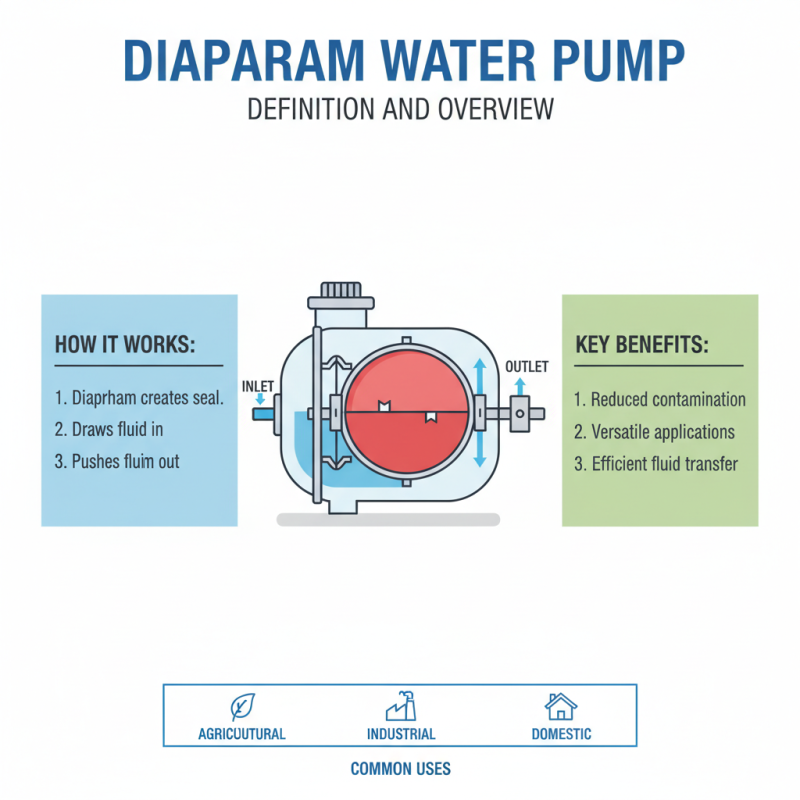
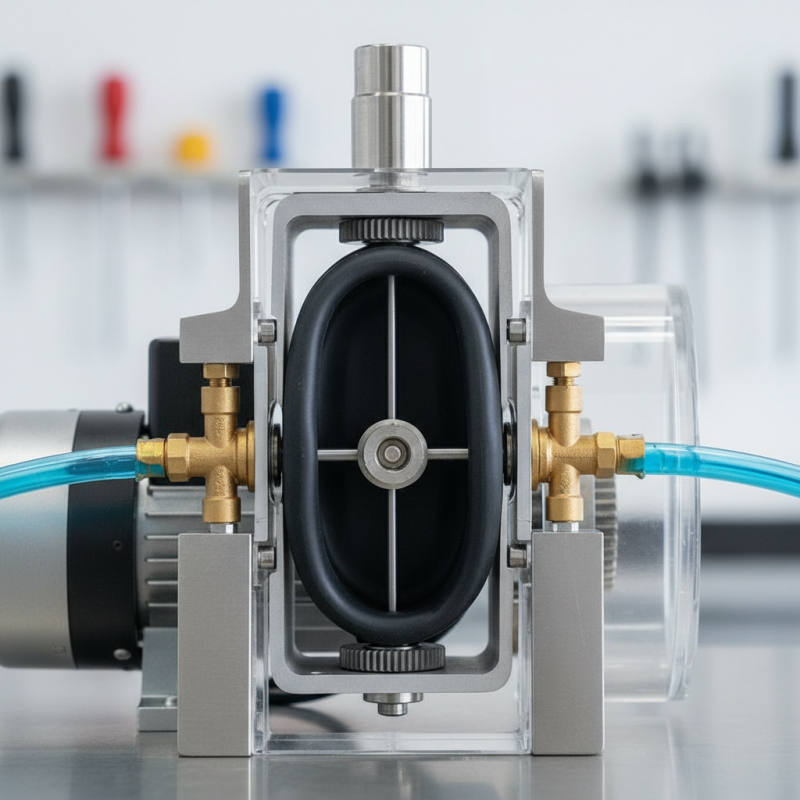
A diaphragm water pump is a versatile device used for transferring liquids. It operates on a simple mechanism that separates fluid flow from the pump's drive components. This design significantly reduces contamination risks and is suitable for various applications, including agricultural, industrial, and domestic uses. The diaphragm creates a seal, allowing the pump to draw fluid in and push it out effectively.
In recent years, the diaphragm pump market has shown notable growth. According to a report by ResearchAndMarkets, the global diaphragm pump market was valued at approximately $1.78 billion in 2021 and is projected to reach $2.51 billion by 2026. This growth is driven by increasing demand in industries like water treatment and chemical processing.
When using diaphragm water pumps, consider the fluid's viscosity. High-viscosity fluids can cause decreased efficiency. Additionally, regular maintenance is crucial. Inspecting the diaphragm for wear can prevent unexpected downtime. Proper installation can enhance the pump’s lifespan and functionality.
Tip: Choose the right diaphragm material for your application. Compatibility with the fluid being pumped is essential for optimal performance.
Key Components of Diaphragm Water Pumps: A Technical Breakdown
Diaphragm water pumps are versatile devices often used in various industries. They operate using flexible membranes to move liquids. Understanding their key components helps in appreciating their functionality.
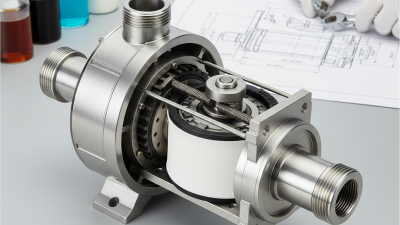
The main parts include the diaphragm, valves, and the chamber. The diaphragm is a thin membrane that flexes. As it moves, it creates a vacuum. This vacuum draws in liquid from the inlet. The one-way valves then direct the flow, ensuring liquid only moves in one direction. The chamber holds the liquid temporarily before it's expelled.
Tips: Regular maintenance is crucial. Check the diaphragm for cracks often. A worn diaphragm can lead to leaks. Ensure valves are clean and functional for optimal performance.
Consideration is key when working with these pumps. Improper installation can cause issues. Not every application requires a diaphragm pump. Sometimes, alternative solutions work better. Assess your needs carefully before deciding on a pump type.
Diaphragm Water Pump Performance Comparison
This bar chart illustrates the performance characteristics of diaphragm water pumps, including their flow rate, maximum pressure, and power consumption. These parameters are crucial for understanding the efficiency and capability of diaphragm water pumps in various applications.
Principles of Operation: How Diaphragm Pumps Generate Pressure
Diaphragm water pumps utilize a flexible diaphragm to create pressure and move fluids. The working principle is quite interesting. As the diaphragm moves up and down, it creates a negative pressure in the pump chamber. This action draws liquid into the chamber from the inlet.
When the diaphragm pushes down, the volume decreases. The liquid gets forced out through the outlet. This cycle continuously repeats, generating flow. The diaphragm's movement can be powered by various means, such as air or electricity.
These pumps excel in applications where contamination must be avoided. The diaphragm separates the liquid from the mechanical components. However, diaphragm pumps have limitations. The materials can wear out over time, affecting their efficiency. Regular maintenance is essential. Overall, they are reliable in many scenarios. Understanding their operation can lead to better fluid management strategies.
Applications of Diaphragm Water Pumps in Various Industries
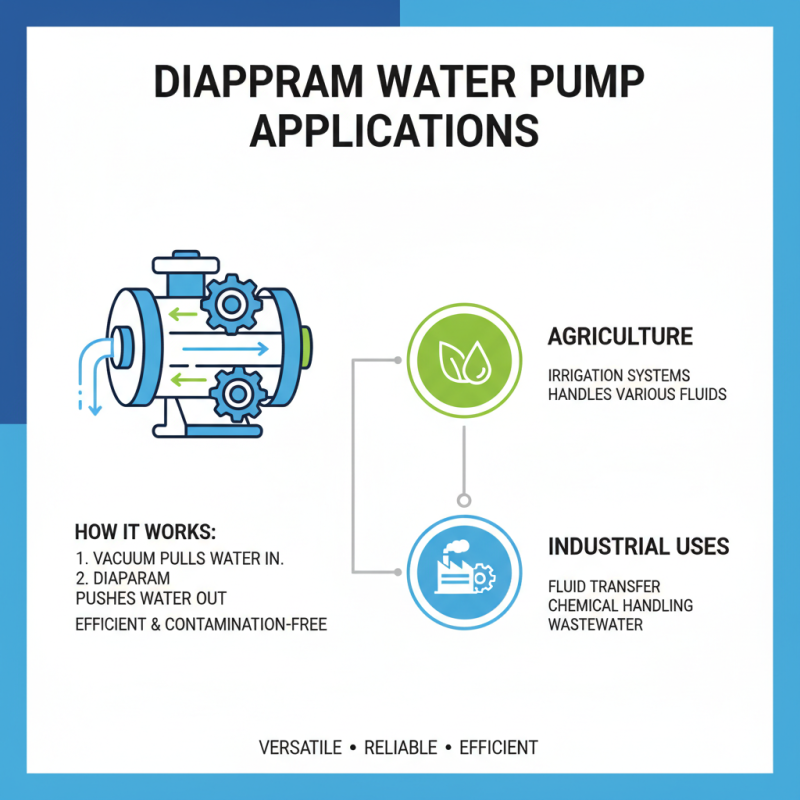
Diaphragm water pumps are versatile tools used in many industries. They work by creating a vacuum that pulls water into a chamber, then uses a flexible diaphragm to push the water out. This design is efficient and helps avoid contamination. One notable application is in agriculture, where these pumps supply water to irrigation systems. They can handle various fluids, making them valuable for farmers.
Another key industry is chemical processing. Diaphragm pumps can transport corrosive liquids safely without leaks. Their design helps in precise dosing of chemicals, minimizing waste. In food and beverage, these pumps are used for transferring ingredients. They ensure that the products remain pure, which is crucial for quality control.
However, even diaphragm pumps aren't perfect. They may require regular maintenance to ensure efficiency. Pump failures can lead to production delays, impacting industries relying on them. It is important to monitor performance and identify issues early. This will help in optimizing their usage and prolonging their lifespan.
Advantages and Limitations of Diaphragm Water Pumps Compared to Other Types
Diaphragm water pumps are known for their unique operation. They use a flexible diaphragm to create a vacuum. This mechanism allows them to handle various liquids, including corrosive materials. Reports indicate that diaphragm pumps have a flow rate ranging from 1 to 60 gallons per minute, making them versatile. However, compared to centrifugal pumps, their efficiency can vary depending on the application.
One significant advantage of diaphragm pumps is their ability to manage solids and slurries. Unlike other pumps, they do not require a continuous flow. This feature makes them ideal for intermittent operations. However, they tend to be bulkier, which might not suit all spaces. Maintenance can be a concern, as diaphragms may wear out over time.
Another limitation is the pressure capability. Diaphragm pumps typically deliver lower pressures than other types. This can restrict their use in high-pressure applications. According to industry data, these pumps operate effectively up to 100 PSI, while some alternatives can exceed 300 PSI. Despite these shortcomings, they remain a solid choice for specific applications.