10 Essential Tips for Choosing the Best Electric Transfer Pump for Your Needs
In the rapidly evolving world of tools and equipment, selecting the right electric transfer pump can be a daunting task. Experts in the industry, such as John Smith, a renowned hydraulic engineer with over 20 years of experience, emphasize the importance of making an informed choice. He once stated, "Choosing the right electric transfer pump can significantly impact efficiency and safety in your operations."
Electric transfer pumps are essential for various applications, from transferring liquids to managing water in agricultural settings. With numerous options available, understanding your specific needs and the capabilities of different models is crucial. In this guide, we will explore the top five tips to help streamline your selection process. Whether you're a DIY enthusiast or a professional in need of reliable performance, ensuring the right fit for your requirements is paramount to maximizing the potential of your electric transfer pump.
As we delve deeper, we’ll provide insights that highlight critical features, performance aspects, and practical considerations, empowering you to make a choice that enhances your operational efficiency and meets your unique demands.
Key Features to Look for in an Electric Transfer Pump
When selecting an electric transfer pump, understanding the key features that influence performance and efficiency is essential. First, consider the pump's flow rate, which is a critical factor in determining how quickly you can transfer liquids. According to a report by Grand View Research, electric pumps with flow rates exceeding 30 gallons per minute (GPM) are gaining popularity in both residential and industrial applications. This performance metric is particularly important for buyers who intend to move large quantities of liquid quickly.
Another vital feature to examine is the pump's versatility concerning the types of liquids it can handle. Many modern electric transfer pumps are designed with compatibility for various fluids, including water, gasoline, and chemicals. A study from Transparency Market Research emphasizes the growing demand for multi-purpose pumps, highlighting that models capable of transferring both viscous and non-viscous liquids are increasingly favored by consumers, especially in agricultural and automotive sectors. Additionally, the pump's durability and power source—whether it is battery-operated or corded—can greatly affect its usability in different environments. Investing in a pump tailored to specific liquid types and usage scenarios can lead to greater efficiency and reliability in your operations.
10 Essential Tips for Choosing the Best Electric Transfer Pump for Your Needs - Key Features to Look for in an Electric Transfer Pump
| Feature |
Description |
Importance |
| Flow Rate |
The volume of liquid that can be moved in a specific timeframe, usually measured in gallons per minute (GPM). |
Determines the efficiency and speed of the transfer process. |
| Power Source |
Electric, battery-operated, or solar-powered options. |
Influences portability and usage in remote locations. |
| Durability |
Material quality and resistance to wear and tear. |
Essential for longevity and reliability during operation. |
| Portability |
Weight and design, making it easy to carry and operate. |
Critical for use in various locations and situations. |
| Noise Level |
The amount of sound produced during operation. |
Important for use in noise-sensitive environments. |
| Maintenance |
Ease of cleaning and part replacements. |
Affects long-term usability and cost efficiency. |
| Compatibility |
Suitable for different fluids and hose connections. |
Ensures versatility for various applications. |
| Safety Features |
Built-in safety mechanisms like thermal overload protection. |
Crucial for preventing accidents and ensuring operator safety. |
| Price |
Cost of the pump in relation to its features and performance. |
Determines value for money and budget considerations. |
| Warranty |
Length and type of coverage provided. |
Assures quality and manufacturer's confidence in the product. |
Understanding Different Types of Electric Transfer Pumps
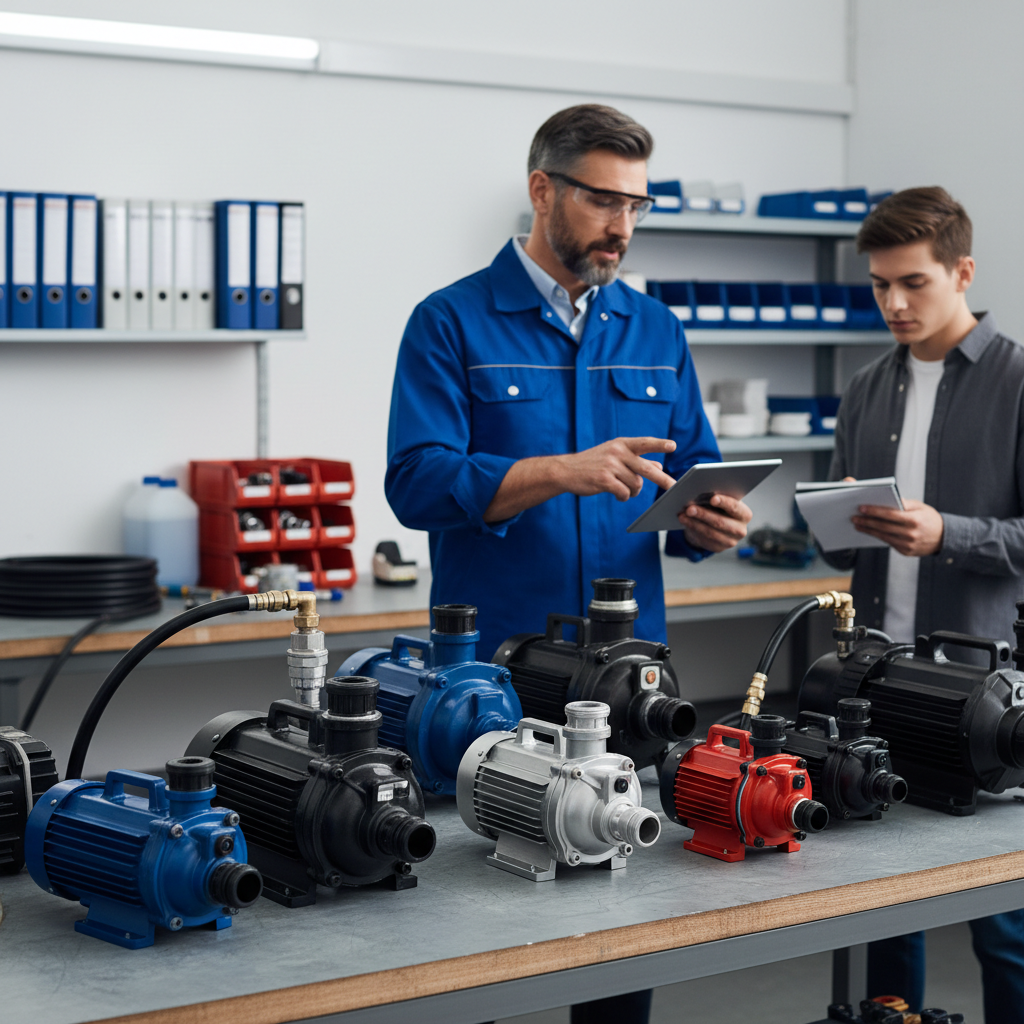
When choosing the right electric transfer pump, understanding the different types available in the market is crucial. Electric transfer pumps are primarily designed for transferring fluids, and their efficiency varies based on the application. In North America, the utility pump market is segmented into several product types, including transfer pumps, submersible pumps, and dewatering pumps. This classification mirrors the diverse needs of users, whether for residential, commercial, or industrial applications. According to recent industry analyses, the demand for transfer pumps is on the rise due to their versatility and effectiveness in managing various liquids, including water.
While considering electric transfer pumps, it's essential to note that not all pumps are created equal. Some models, such as those designed specifically for dewatering, excel in moving large volumes of water quickly, often used in flood situations or construction sites. On the other hand, submersible pumps are ideal for deeper applications, where they can operate underwater, pushing fluids to the surface. As the market evolves, users need to be aware of the specifications and limitations of each pump type to select one that aligns with their specific requirements and workflows.
Assessing Flow Rates and Pressure for Optimal Performance
When selecting the best electric transfer pump for your needs, assessing flow rates and pressure is crucial for ensuring optimal performance. Flow rate, typically measured in gallons per minute (GPM), indicates how quickly the pump can transfer liquids. You'll want to match the flow rate with your application requirements, whether you’re draining a pool, transferring fuel, or moving water from a reservoir. Higher flow rates generally lead to faster pumping, but it’s important to strike a balance based on your specific task.
Another key factor is the pump’s pressure rating, often expressed in pounds per square inch (PSI). This measurement affects the pump's ability to deliver liquids at the required height or through various fittings. If your project involves lifting liquids vertically, a higher pressure rating will be essential to overcome gravity and friction. For example, when choosing a pump for a residential irrigation system, ensure that it can generate sufficient pressure to reach all garden areas effectively.
Lastly, ensure that the pump is compatible with the liquid you wish to transfer. Some pumps are designed for clear water, while others can handle viscous or corrosive fluids. Always consider the material of the pump components to avoid premature wear and leaks, ensuring long-term efficiency and reliability.
Evaluating Portability and Ease of Use in Transfer Pumps
When choosing an electric transfer pump, portability and ease of use are paramount considerations. A pump that is lightweight and compact will allow for more convenient transport, whether you are moving it between work sites or storing it when not in use. Look for models designed with ergonomic handles and wheels, as these features enhance mobility and reduce the physical strain associated with transporting heavier units.
In addition to portability, ensure that the pump is easy to operate. Models with straightforward controls and clear indicators can significantly reduce the learning curve, making it simpler for anyone—regardless of technical skill—to use effectively. Additionally, assess the power source; a model that can be plugged into standard outlets or run on batteries can offer flexibility for various tasks.
Remember to check the pump's compatibility with different liquids, as some transfers may require specific material constructions. Choosing a versatile pump can save headaches in the long run, allowing you to switch tasks without needing multiple devices.
10 Essential Tips for Choosing the Best Electric Transfer Pump
Comparing Price vs. Quality: Finding the Best Value for Your Needs
When it comes to selecting the best electric transfer pump for your needs, understanding the balance between price and quality is crucial. While budget constraints are a reality for many consumers, opting for the cheapest option can lead to unsatisfactory performance and higher long-term costs. Therefore, it’s essential to evaluate the value offered by each product. Look for features that meet your specific requirements, such as flow rates and durability, which can justify a higher price tag if they result in better efficiency and longevity.
One of the key tips for ensuring you get the best value is to compare product reviews. User feedback can give insights into the pump’s real-world performance, highlighting its strengths and potential drawbacks. Additionally, consider the warranty and customer support provided by the manufacturer. A solid warranty may indicate the company’s confidence in their product, and having good customer support can save you hassle should any issues arise.
Finally, don’t overlook the benefits of investing in a well-known brand. Established names in the market often have a track record of quality, which can mean fewer headaches down the line. By carefully weighing price against quality, you can find an electric transfer pump that meets both your budget and performance expectations.