Ultimate Guide to Choosing the Best Water Pump Motor for Your 2025 Projects
When embarking on any project that involves water management, selecting the right water pump motor is crucial to ensure efficiency and effectiveness. Whether you are working on irrigation systems, drainage solutions, or aquarium setups, the motor you choose can significantly impact the performance of the entire system. In this ultimate guide, we dive deep into the essential factors to consider when choosing a water pump motor for your 2025 projects, equipping you with the knowledge needed to make an informed decision.
Understanding the nuances of different types of water pump motors is key to optimizing your project's success. From horsepower ratings to energy efficiency and durability, we will explore the critical specifications that dictate the best fit for your specific needs. Additionally, we will provide expert tips on installation and maintenance, ensuring that your water pump motor performs reliably over time. With this comprehensive knowledge at your disposal, you’ll be well-prepared to tackle any water-related challenges that come your way in 2025 and beyond.
Understanding Different Types of Water Pump Motors for Various Applications
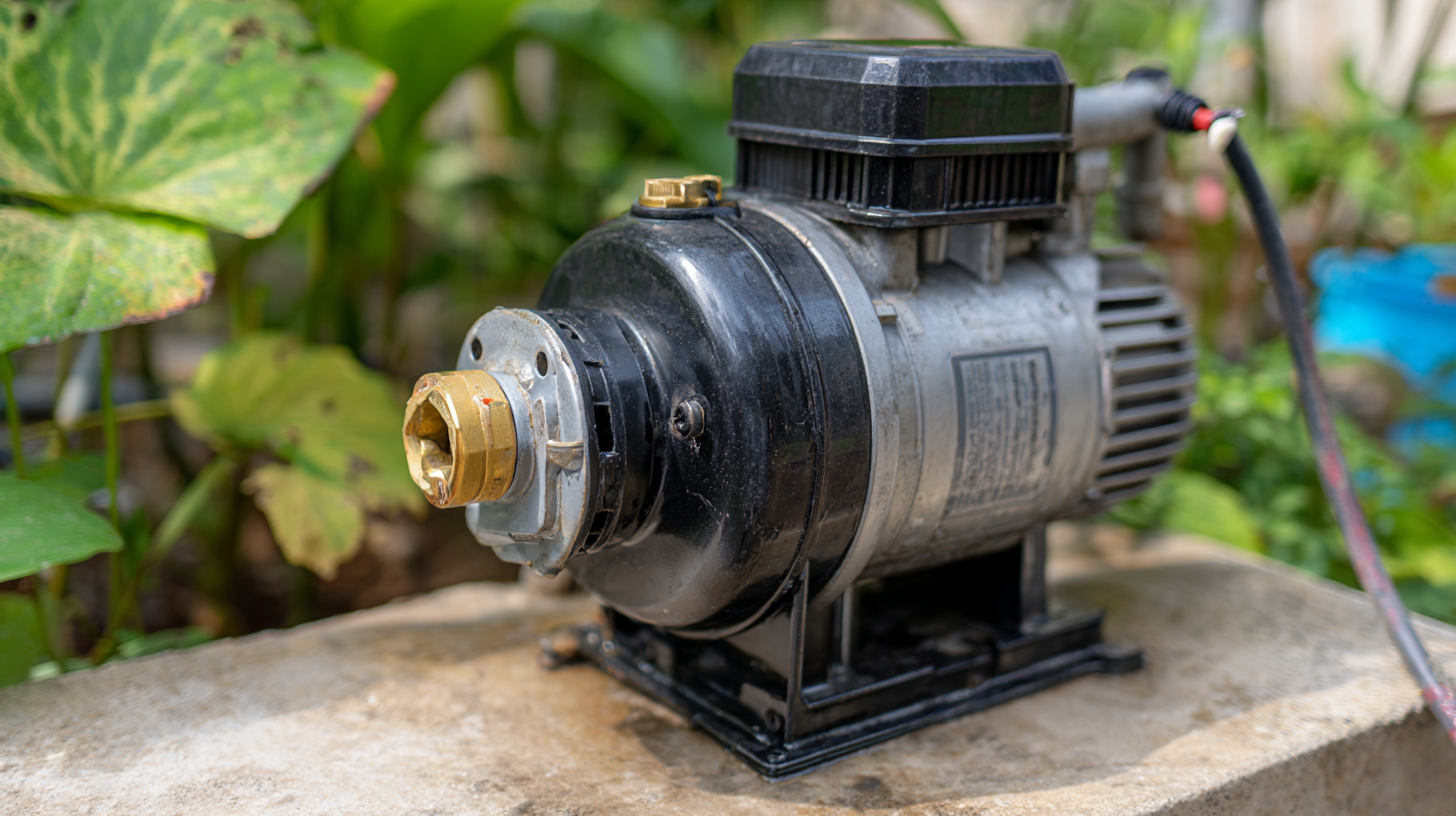 When it comes to selecting the best water pump motor for various applications, understanding the different types available is crucial. The most common types include centrifugal pumps, which can be further categorized into axial flow, radial flow, and mixed flow pumps. Axial flow pumps are ideal for applications that require high flow rates and low pressure, making them suitable for irrigation and flood control. On the other hand, radial flow pumps are designed for applications needing higher pressure, such as water distribution systems, offering excellent efficiency at lower flow rates.
In addition to these traditional pump types, advancements in technology have introduced variable frequency drives, which enhance the functionality of water pump motors. These drives allow for precise control of motor speed and torque, making them beneficial across various industries, from agricultural irrigation to municipal water systems. Furthermore, innovations in solar-powered water pumps have gained popularity, especially for remote applications where electricity may not be readily available. By choosing the right motor type and understanding its specific applications, users can ensure optimal performance and efficiency for their projects in 2025 and beyond.
Key Factors to Consider When Selecting a Water Pump Motor
When selecting a water pump motor for your 2025 projects, several key factors must be evaluated to ensure optimal performance and efficiency. One of the primary considerations is the motor's power rating. According to the Electric Power Research Institute (EPRI), selecting a motor that meets the demand of the pump system can result in energy savings of up to 30%. Ensuring the motor is neither underpowered nor oversized is crucial, as it can significantly impact both operational costs and equipment lifespan.
Another essential factor to consider is the motor type, whether it's a submersible, centrifugal, or positive displacement motor. Research by the American Society of Mechanical Engineers (ASME) indicates that submersible motors offer advantages in applications where space is limited, while centrifugal motors are preferable for efficient water transport over long distances. Additionally, evaluating the motor's efficiency ratings, such as those provided by the National Electrical Manufacturers Association (NEMA), can help identify models that minimize energy consumption. Motors with higher efficiency ratings can contribute to lower operational costs and a reduced carbon footprint in the long run, making them an environmentally friendly choice for future projects.
Ultimate Guide to Choosing the Best Water Pump Motor for Your 2025 Projects - Key Factors to Consider When Selecting a Water Pump Motor
| Motor Type |
Power Rating (HP) |
Voltage (V) |
Efficiency (%) |
Applications |
| Submersible Pump Motor |
1.5 |
230 |
85 |
Irrigation, Drainage |
| Centrifugal Pump Motor |
2 |
400 |
90 |
Water Supply, HVAC |
| Diaphragm Pump Motor |
0.75 |
120 |
75 |
Chemical Transfer, Spraying |
| Gear Pump Motor |
3 |
240 |
88 |
Fuel Transfer, Lubrication |
Evaluating Efficiency and Performance Ratings of Water Pump Motors
When selecting a water pump motor for your 2025 projects, one of the most critical aspects to consider is its efficiency and performance ratings. A motor's efficiency is typically quantified by its energy consumption versus the power output it delivers. Higher efficiency means lower operating costs, which is crucial for long-term projects. Look for motors that have an efficiency rating of at least 85% as these will save you on energy bills and reduce environmental impact.
Additionally, performance ratings help you understand how well the motor performs under various conditions. Key metrics include flow rate, head height, and power factor. A motor that provides a high flow rate at the required head height will ensure that your projects run smoothly. It's essential to match the motor's specifications with the requirements of your specific application, as this will dictate the overall effectiveness and reliability of the water pump system. By thoroughly evaluating these ratings, you can ensure a select motor that meets both your performance expectations and efficiency goals.
Water Pump Motor Efficiency Ratings
Common Mistakes to Avoid When Choosing a Water Pump Motor
When selecting a water pump motor for your projects in 2025, it’s crucial to sidestep common pitfalls that can lead to inefficiencies and increased costs. One frequent mistake is failing to accurately assess the required flow rate and head pressure. According to industry reports, incorrect sizing can lead to 20-30% energy losses, significantly impacting operational efficiency. It’s essential to carefully evaluate the specifications of your application to ensure you choose a motor that fully meets your performance requirements.

Another area where many users err is in overlooking the importance of compatibility with existing systems. Selecting a motor that doesn’t align with your current infrastructure can result in costly modifications or even system failures. Industry insights suggest that ensuring mechanical and electrical compatibility can reduce maintenance costs by up to 15%. Therefore, it’s vital to consult technical specifications and possibly engage with experts during the selection process to avoid these common mistakes and enhance the overall productivity of your water pumping systems.
Maintenance Tips for Longevity of Your Water Pump Motor
Maintaining the longevity of your water pump motor is crucial for optimal performance and efficiency, especially as you gear up for your 2025 projects. Regular maintenance practices can prevent costly repairs and extend the lifespan of your motor. One of the most effective ways to ensure longevity is to keep the motor clean and free of debris. This involves routinely checking for dirt, dust, and other obstructions that can impair function. A clean motor runs cooler and more efficiently, reducing wear and tear on internal components.
Another essential maintenance tip is to monitor fluid levels and replace them as needed. Water pumps typically rely on lubrication, so ensuring that oil or grease levels are adequate is vital. Regularly inspecting seals and gaskets for any signs of wear can also prevent leaks and further damage. Additionally, it's beneficial to schedule periodic inspections by a professional to catch potential issues early on. By implementing these maintenance strategies, you can significantly enhance the performance and durability of your water pump motor, allowing you to tackle your upcoming projects with confidence.