Why is Heat Insulation Essential for Energy Efficiency?
Heat Insulation plays a crucial role in enhancing energy efficiency within buildings. According to renowned expert Dr. Lisa Marshall, "Effective heat insulation can reduce energy consumption by up to 40%." Her insight highlights the importance of optimizing thermal performance in our structures.
In urban environments, heat insulation helps maintain indoor temperatures. This reduces reliance on heating and cooling systems. Energy savings translate into lower utility bills. Moreover, buildings with better heat insulation contribute less to environmental degradation. The choice of insulation materials can significantly impact overall energy management.
However, not all heat insulation solutions are created equal. Some materials may degrade over time, diminishing their effectiveness. Homeowners and builders must regularly assess their insulation systems. This ongoing evaluation ensures that energy efficiency goals are met. Implementing high-quality heat insulation is not just a choice—it's a necessity for sustainable living.
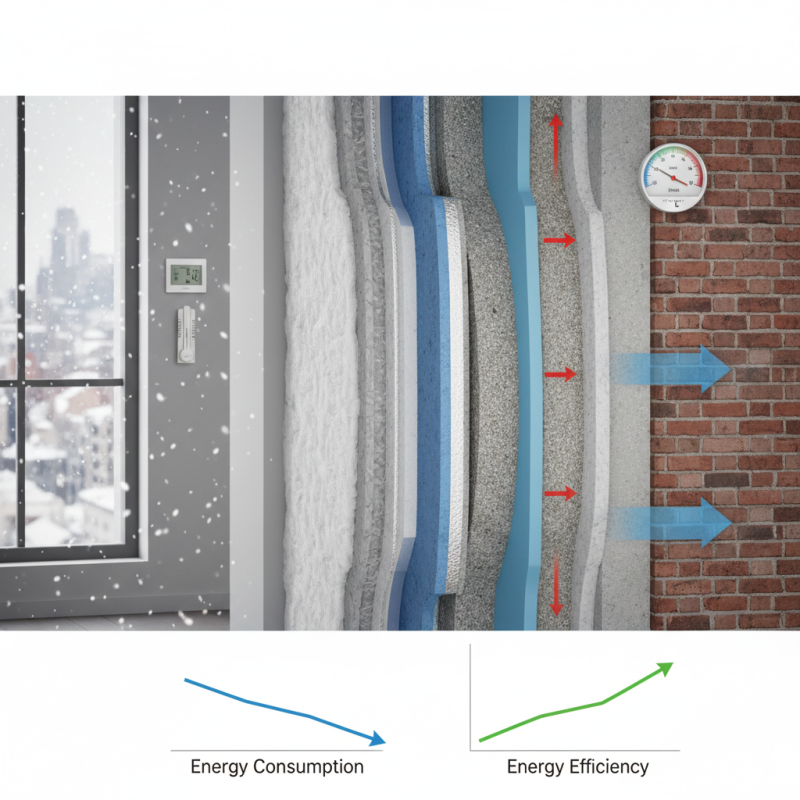
The Role of Heat Insulation in Reducing Energy Consumption
Heat insulation plays a crucial role in reducing energy consumption and improving energy efficiency. Proper insulation in buildings minimizes heat transfer, keeping interiors warm in winter and cool in summer. This leads to a significant decrease in reliance on heating and cooling systems. Consequently, less energy is required, which directly translates to lower utility bills.
When buildings lack adequate insulation, energy loss can be substantial. Drafts and temperature fluctuations force heating and cooling systems to work harder. This not only increases energy consumption but also may lead to higher wear and tear on equipment. Homeowners often overlook these issues until they see rising energy costs or feel uncomfortable indoors. It's vital to recognize that effective insulation can mitigate these challenges and enhance overall comfort.
Investing in quality insulation is not just about immediate cost—it’s about long-term savings and environmental impact. Inadequate insulation contributes to higher carbon footprints due to increased energy use. Reflecting on this, many may reconsider their insulation choices and their effects on energy efficiency. Even small adjustments can lead to meaningful changes, encouraging us to prioritize better insulation solutions in our homes and workplaces.
Heat Insulation's Impact on Energy Efficiency
This bar chart illustrates the significant difference in energy consumption between buildings with heat insulation and those without. Proper insulation reduces the energy needed for heating and cooling, emphasizing its role in improving energy efficiency.
Types of Heat Insulation Materials and Their Effectiveness
Heat insulation materials play a crucial role in enhancing energy efficiency. These materials reduce the amount of heat transfer, which helps maintain a stable indoor temperature. According to a report by the U.S. Department of Energy, improving insulation can save a homeowner up to 20% on heating and cooling costs. This highlights the importance of choosing the right type of insulation for buildings.
There are various types of heat insulation materials available, each with different effectiveness levels. Fiberglass insulation is one of the most commonly used options. It has an R-value of about 2.9 to 4.3 per inch, indicating its resistance to heat flow. On the other hand, spray foam insulation can achieve an R-value of up to 6.5 per inch, making it more effective in reducing energy loss. However, the high cost of spray foam might discourage some homeowners.
Reflective insulation, often found in attics, uses radiant barriers to reflect heat away. It works best in hot climates. Interestingly, many people overlook the importance of air sealing and its synergy with insulation. Poorly sealed areas can undermine insulation's effectiveness. Striking a balance between cost, material type, and installation is essential for optimal energy efficiency.
Why is Heat Insulation Essential for Energy Efficiency? - Types of Heat Insulation Materials and Their Effectiveness
| Insulation Material | Type | R-Value (per inch) | Applications | Effectiveness (%) |
| Fiberglass | Batt & Blown-In | 2.9 - 4.3 | Walls, Ceilings, Floors | 70-80 |
| Foam Board | Rigid | 3.8 - 6.5 | Basements, Foundations, Exterior Walls | 80-90 |
| Spray Foam | Open & Closed Cell | 3.5 - 7.0 | Attics, Walls, Crawl Spaces | 85-95 |
| Mineral Wool | Batt & Blown-In | 3.1 - 4.2 | Walls, Roofs, Floors | 70-80 |
| Cellulose | Blown-In | 3.2 - 3.8 | Attics, Walls | 75-85 |
How Heat Insulation Contributes to Environmental Sustainability
Heat insulation plays a crucial role in promoting environmental sustainability. Effective insulation reduces the need for heating and cooling systems, leading to lower energy consumption. When buildings remain at a comfortable temperature naturally, we use less electricity and gas. This, in turn, decreases greenhouse gas emissions. The less energy we use, the better it is for our planet.
Moreover, proper insulation helps minimize energy waste. Many homes lose heat through poorly insulated walls, roofs, and floors. By sealing these gaps, we can make a significant impact. High insulation standards can lead to a notable reduction in your carbon footprint. It’s not only about saving money on energy bills but also about protecting our environment.
However, the journey toward optimal insulation is not always straightforward. Not all materials perform equally well, and each building requires a tailored approach. Some may struggle with moisture control or air quality issues. Balancing comfort, efficiency, and structural integrity can challenge homeowners and builders alike. It's essential to reflect on these complexities to create sustainable living spaces that truly benefit the environment.
Economic Benefits of Investing in Heat Insulation Solutions
Heat insulation plays a pivotal role in enhancing energy efficiency, particularly regarding economic savings. Investing in effective heat insulation can lead to substantial reductions in energy consumption. According to the U.S. Department of Energy, proper insulation can save homeowners up to 20% on heating and cooling costs. This translates to significant savings over time, especially in areas with extreme temperature fluctuations.
Moreover, the initial investment in heat insulation often pays off quickly. A study published in the Journal of Economic Perspectives noted that households that upgraded insulation saw a return on investment within three years. This is crucial as energy prices continue to rise. In commercial buildings, well-insulated structures can enhance productivity and comfort, further justifying the investment.
Tips: Always assess your current insulation's effectiveness. Use an infrared camera to identify thermal leaks. Consider insulating walls, attics, and floors for the best results. Regularly check for wear and tear in older insulation materials. Small repairs can maintain energy efficiency and save costs.
Common Myths and Misconceptions About Heat Insulation Efficiency
Heat insulation is often misunderstood. Many believe it only offers comfort. In reality, it plays a crucial role in energy efficiency. Proper insulation keeps homes warm in winter and cool in summer. This balance reduces energy consumption. Fewer resources are needed to maintain a stable temperature.
Another common myth is that all insulation is the same. In truth, materials vary significantly in effectiveness. Some offer better thermal resistance. This variance affects energy costs and overall efficiency. Many often overlook installation quality. Poorly installed insulation can lead to significant heat loss.
People may think that insulation is a one-time investment. However, the benefits accumulate over time. Maintenance and upgrades can enhance its effectiveness. Ignoring these aspects leads to wasted energy. Understanding these misconceptions helps in making informed decisions about heat insulation.