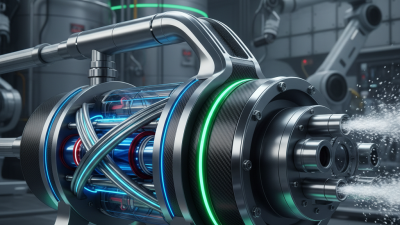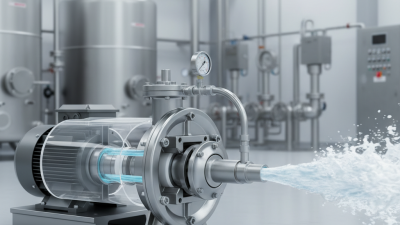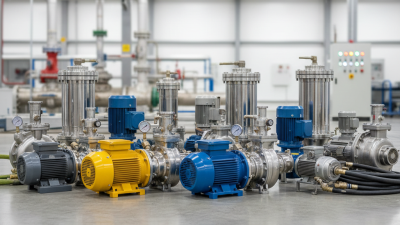
What is a High Pressure Pump and How Does it Work?

High pressure pumps play a vital role in various industries, from agriculture to manufacturing. They are designed to generate a significant amount of pressure to move fluids through pipes. As John Smith, a leading expert in fluid dynamics, states, "High pressure pumps are the backbone of fluid transportation." His insight highlights the importance of these devices in ensuring efficient operations.

These pumps operate by converting mechanical energy into hydraulic energy. This process enables them to lift and transport liquids over considerable distances while maintaining high pressure. Many factors influence their performance, such as design and maintenance. A well-maintained high pressure pump can offer reliable service, while neglect can lead to significant operational failures.

Understanding the mechanics of high pressure pumps can be challenging. Users must assess their needs carefully. It is crucial to choose the right pump type for specific applications. In some cases, improper selection can lead to inefficient performance. Therefore, reflecting on the requirements is essential for success. Choosing wisely can make a marked difference in efficiency and productivity.
What is a High Pressure Pump and How Does it Work?

Definition and Purpose of High Pressure Pumps

High pressure pumps are essential tools in various industries. They are designed to increase the pressure of liquids or gases for transport or processing. These pumps come in different forms, commonly used in water supply systems, hydraulic applications, and industrial processes. Understanding their purpose helps in selecting the right pump for specific tasks.


The primary function of high pressure pumps is to move fluids at elevated pressures. This movement is critical in applications such as fire fighting systems, where water needs to reach great heights. It is also vital in cleaning operations, where high-pressure water jets remove dirt and debris efficiently. In industrial settings, these pumps facilitate chemical processes by ensuring materials mix properly.


While high pressure pumps are effective, they require careful consideration. Incorrect installation can lead to leaks or damage. Regular maintenance is crucial for optimal performance. Users must be aware of potential issues, such as wear and tear of seals or valves. Being mindful of these challenges can improve longevity and functionality.
Types of High Pressure Pumps and Their Applications

High pressure pumps are essential in various industries. They come in different types, each serving specific needs. Positive displacement pumps, for instance, are commonly used in hydraulic systems. They push fluid through a system using mechanical action. Often, they are efficient but can be prone to cavitation if not sized correctly.

On the other hand, centrifugal pumps rely on rotational energy. These pumps are typically used for water transfer and in chemical processing. They can handle large volumes, but may struggle with highly viscous fluids. In some applications, users find these pumps less effective than anticipated. High pressure pumps also see application in cleaning and surface preparation, where power is crucial. The effectiveness of a pump can be impacted by factors like temperature and fluid type. Sometimes, operators may underestimate these elements, leading to performance issues.

Key Components of a High Pressure Pump

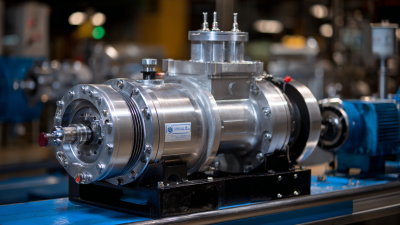
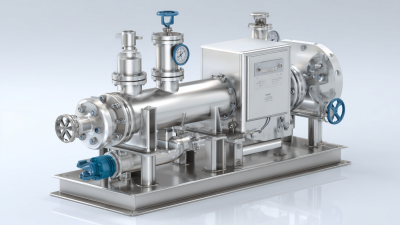
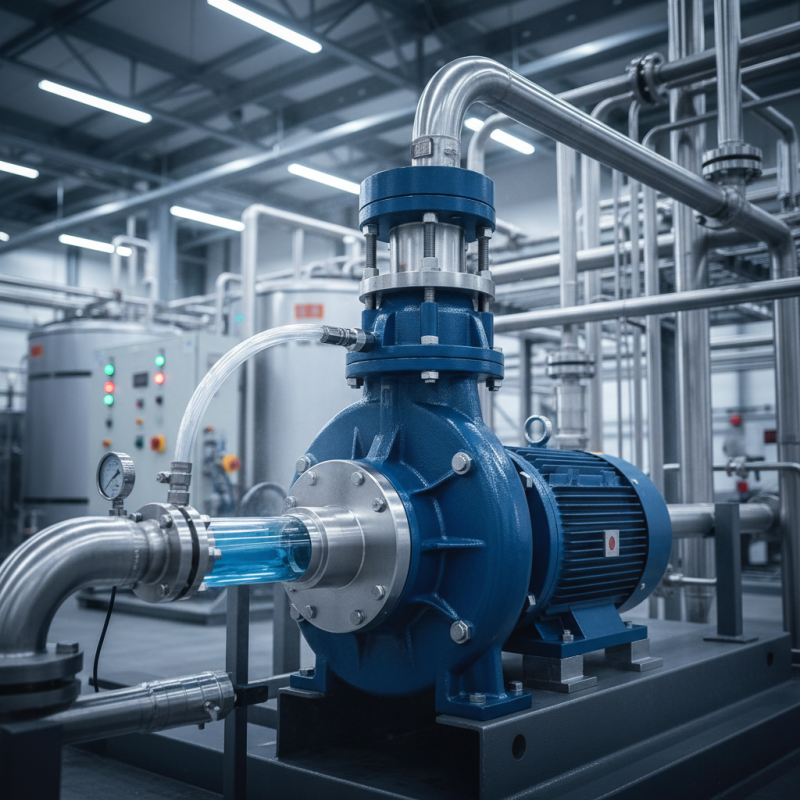
High-pressure pumps are essential in various industries. Their components play a crucial role in their efficiency. Key components include the pump body, motor, valves, and seals. Each part needs to be robust. They should withstand the high pressures generated during operation. A report by the Hydraulic Institute indicates that improper components can reduce pump efficiency by up to 20%.

The motor is significant for pump performance. It provides the necessary power for operation. A high-quality motor can greatly enhance a pump's reliability. According to a recent analysis, poor motor selection leads to premature failure. Valves control the flow of the fluid. They ensure that the pump operates smoothly. Neglecting valve maintenance can lead to costly downtime.

Seals are often overlooked. However, they are vital for preventing leaks. A small leak can cause major issues. Studies show that seal failure accounts for approximately 30% of pump issues. Regular inspection can help prevent unexpected failures. Understanding these components can lead to more informed maintenance decisions.

How High Pressure Pumps Operate Mechanically

High pressure pumps play a crucial role in various industries. They operate on a simple yet effective mechanical principle. These pumps use a motor to drive a piston or diaphragm. This mechanism creates pressure to move liquids through a system.

When the pump operates, fluids enter through an inlet valve. The piston or diaphragm pushes the liquid, generating high pressure. This pressure allows the liquid to flow quickly to its designated location. The system requires accuracy in design to prevent leaks. Any leak can cause inefficiencies.

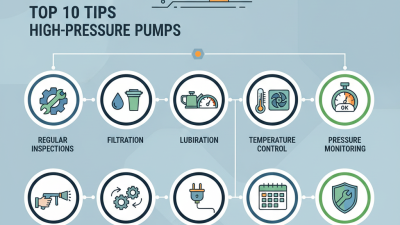
Tips: Regular maintenance is essential. Inspect all components frequently. Replace worn-out parts immediately. Ensure proper alignment during installation.

Operating under high pressure can be risky. If not monitored, hoses may burst or connections may fail. It's vital to train personnel on safety protocols. An understanding of pressure gauges will enhance safety measures. Above all, caution should always be prioritized during operations.

Maintenance and Safety Considerations for High Pressure Pumps

What is a High Pressure Pump and How Does it Work?

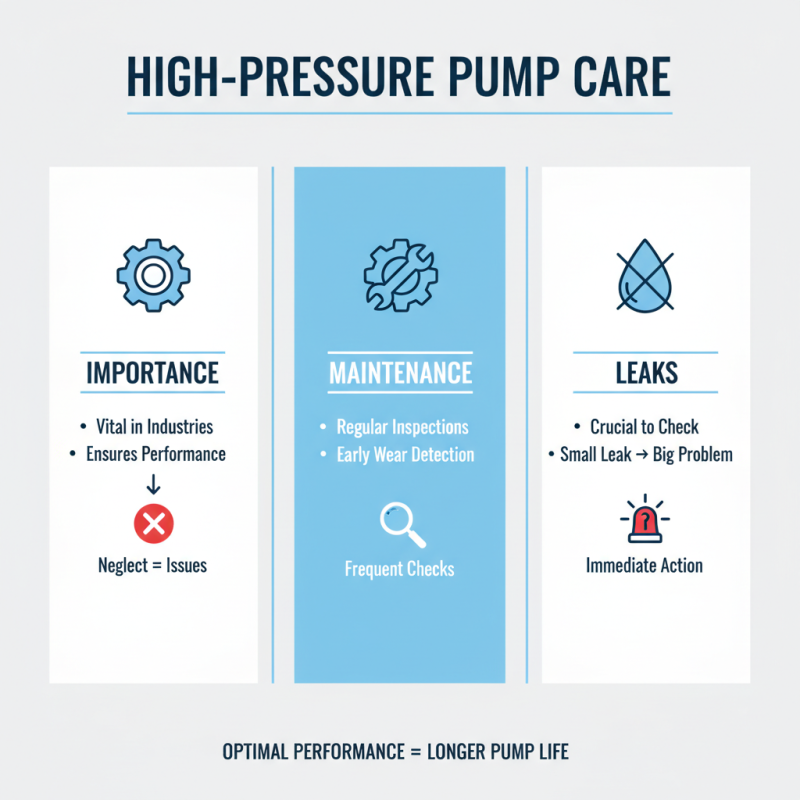
High pressure pumps are vital in various industries. They require regular maintenance to ensure optimal performance. Neglecting these pumps can lead to significant issues. Frequent inspections can catch wear and tear early. Checking for leaks is crucial. A small leak can escalate into major problems quickly.

Safety considerations are also important. Always wear appropriate protective gear when working with high pressure pumps. These pumps can operate at dangerous levels. Misuse can result in severe injuries. It’s essential to follow manufacturer guidelines closely. Training operators is vital. A well-informed team can prevent accidents.

Cleaning the pump regularly helps maintain efficiency. Dirt and debris can hinder performance. Also, ensure proper lubrication of moving parts. Improper lubrication can lead to premature wear. Consider implementing a scheduled maintenance plan. This keeps the pump in top shape. Planning can save time and prevent costly repairs.