High Pressure Pump Types and Their Applications Explained
High pressure pumps play a crucial role across various industries, from oil and gas to water treatment. According to industry reports, the global high pressure pump market is projected to exceed $35 billion by 2026, demonstrating a compound annual growth rate of around 6%. These pumps are designed to operate at elevated pressures, making them essential for tasks such as fluid transfer and cleaning.
Dr. John Carter, a renowned expert in the field, states, “High pressure pumps are vital in maximizing efficiency and performance in fluid systems.” His insight highlights the importance of choosing the right type of pump for specific applications. With various designs available, including diaphragm, piston, and centrifugal pumps, understanding their unique advantages is crucial for any industrial operation.
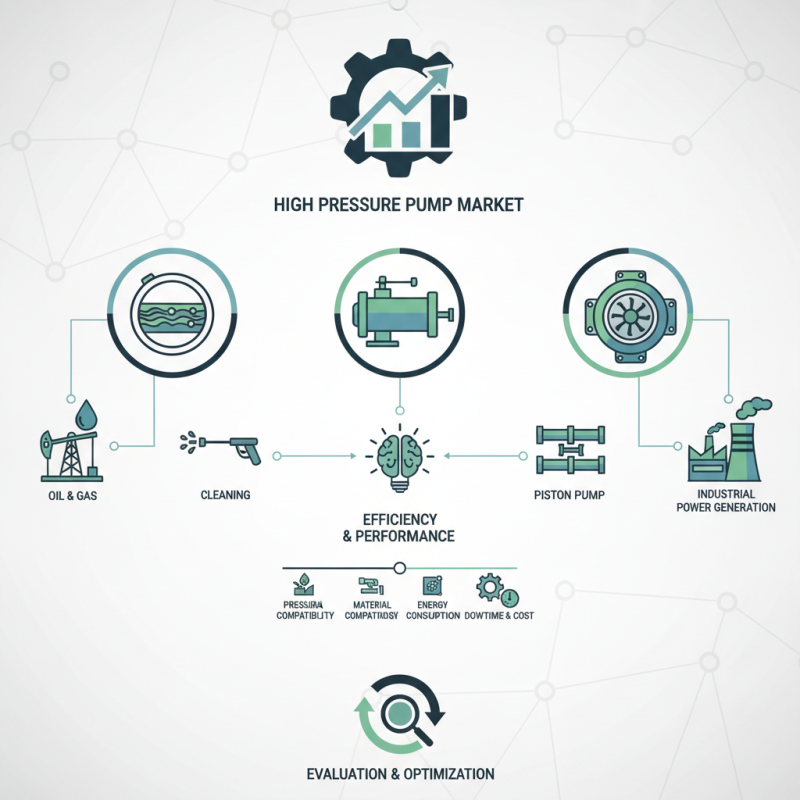
Despite their utility, the selection and maintenance of high pressure pumps can be challenging. Factors such as pressure rating, material compatibility, and energy consumption need careful consideration. Choosing the wrong pump might lead to inefficiencies and unexpected breakdowns, leading to costly downtime. Thus, engineers must continuously evaluate their options and reflect on past decisions to ensure optimal performance in their pumping systems.
Types of High Pressure Pumps: An Overview
High pressure pumps are essential in various industries. They serve diverse functions, from water jet cutting to oil and gas extraction. Understanding the types of high pressure pumps can optimize their usage.
Positive displacement pumps are among the most common. They provide a constant flow rate and can handle high viscosity fluids. According to a recent market report, they account for approximately 65% of the high pressure pump market. These pumps excel in applications where precise flow is crucial. For instance, in hydraulic systems, accuracy ensures operational efficiency.
Centrifugal pumps also play a significant role. They use rotational energy to move fluids and can achieve high pressure. However, they are less effective with viscous liquids. It's important to recognize their limitations in certain applications. For example, in environments with fluctuating demands, centrifugal pumps may struggle to maintain consistent pressure.
Understanding the characteristics of these pumps is vital. Each type has its strengths and weaknesses. Industry experts recommend careful evaluation before selecting a pump for specific tasks. The choice can directly impact performance and efficiency. Balancing performance with application needs is a continuous challenge for professionals.
High Pressure Pump Types and Their Applications
| Pump Type |
Application |
Max Pressure (psi) |
Flow Rate (GPM) |
| Piston Pump |
Water Jet Cutting |
40,000 |
1-50 |
| Diaphragm Pump |
Chemical Transfer |
10,000 |
0.5-12 |
| Rotary Vane Pump |
Hydraulic Systems |
15,000 |
2-30 |
| Centrifugal Pump |
Water Supply |
5,000 |
10-100 |
| Gear Pump |
Oil Transfer |
8,000 |
1-25 |
Key Applications of High Pressure Pumps
High pressure pumps are crucial in various industries. They are used to move fluids at high velocities. This feature makes them essential for tasks like cleaning, coating, and even agricultural applications. A high pressure pump can effectively remove dirt and debris from surfaces. This is particularly useful in industrial cleaning processes. The efficiency of these pumps is often evaluated based on their flow rates and pressure outputs.
In construction, high pressure pumps play a vital role in concrete spraying. This method allows for efficient application in high-rise buildings. Additionally, they are used in hydraulic fracturing, which helps extract oil and gas. Farmers utilize these pumps for irrigation as well. The ability to deliver water under pressure ensures crops receive adequate hydration. However, issues may arise with maintenance and durability. Regular checks on wear parts can often be overlooked. This can lead to pump failures and costly repairs. Hence, understanding how to manage these pumps is essential for maximizing productivity.
Mechanisms of Different High Pressure Pump Types
High pressure pumps are essential in various industrial applications. They come in different types, each with unique mechanisms that define their efficiency.
Gear pumps, for instance, use gears to create pressure. This mechanism is straightforward but can lead to issues with fluid viscosity.
Diaphragm pumps, on the other hand, use a flexible diaphragm to move liquid. They are excellent for handling corrosive substances. However, the diaphragm can wear out quickly, leading to inefficiency.
Plunger pumps are also noteworthy. They function by utilizing a plunger to generate high pressure for various applications. This design is robust but can create a lot of noise during operation.
Understanding the mechanisms behind these pumps helps in choosing the right one. Each type presents advantages and challenges. A wrong choice can lead to system failures or maintenance headaches. Therefore, careful consideration is essential when selecting a pump for specific tasks.
Factors Influencing High Pressure Pump Selection
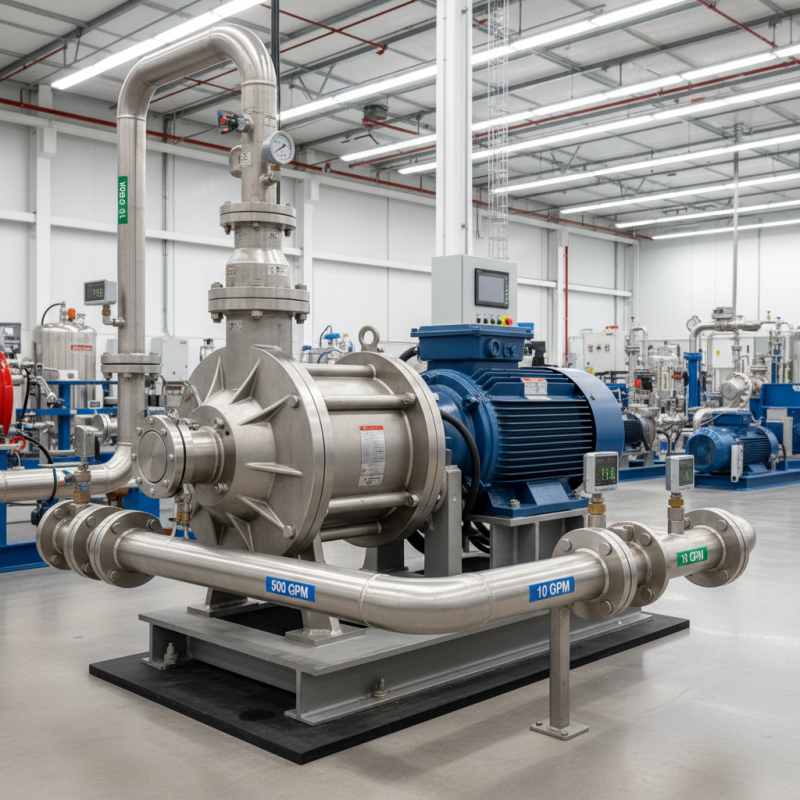
When selecting a high-pressure pump, several factors come into play. First, it's crucial to consider the flow rate requirements. Applications vary, and some industries may need pumps that deliver up to 500 gallons per minute. Others may only require 10 gallons per minute. Understanding your specific needs can prevent wasted resources.
Another important aspect is the type of liquid being pumped. For instance, abrasive materials demand more durable pump components. In fact, about 40% of pump failures are due to wear from abrasive fluids, according to industry reports. Operators should also evaluate the required pressure levels. Some processes may need pressures exceeding 5000 psi, which places additional demands on pump materials and design.
**Tips:** Analyze the viscosity of the fluid being pumped. This can greatly affect performance and pump lifespan.
Do not overlook the operating environment. High temperatures and corrosive conditions can determine pump suitability. Data shows that nearly 25% of high-pressure pump malfunctions are related to environmental factors. Regularly assess your pump's condition and readiness for your specific application to prevent costly downtimes.
**Tip:** Conduct routine maintenance checks. This practice can extend the life of your pump.
Maintenance and Safety Considerations for High Pressure Pumps
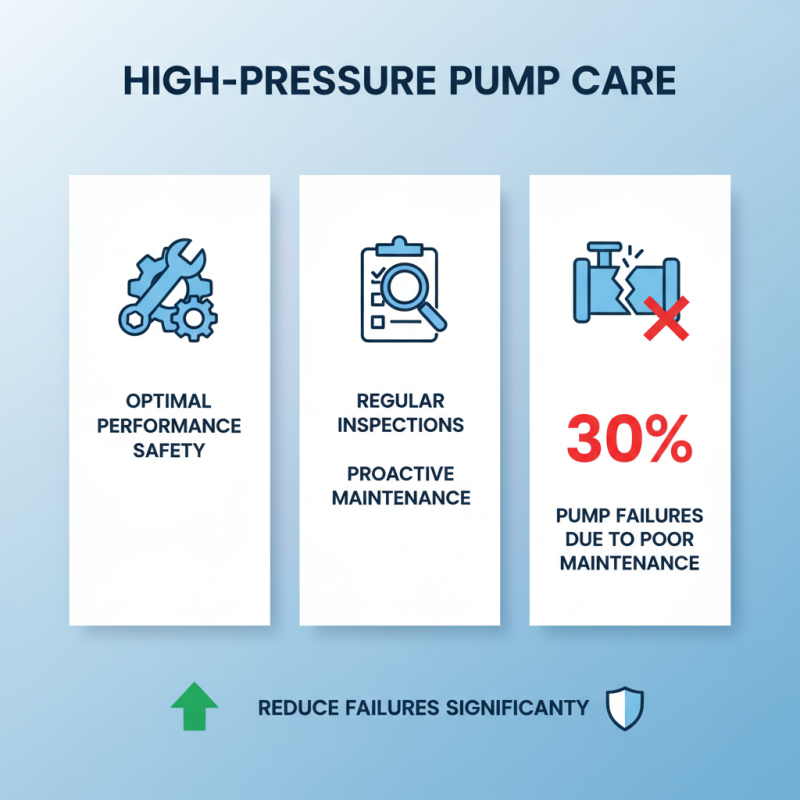
High pressure pumps are vital in numerous industries. They require careful maintenance to ensure optimal performance and safety. Regular inspections are essential. Studies show that about 30% of pump failures result from inadequate maintenance. A proactive approach can reduce these failures significantly.
Safety is another important aspect. High pressure pumps operate under extreme conditions. A sudden malfunction can lead to serious accidents. According to industry reports, over 40% of workplace injuries are linked to equipment failure, including pumps. Proper training for operators can help mitigate these risks. Regularly checking seals, hoses, and connections ensures leak prevention.
Operators should also be aware of environmental factors. Temperature extremes can affect pump efficiency. High temperatures can lead to fluid vaporization. On the other hand, very low temperatures may cause brittleness. These issues are often overlooked. The right storage and operational conditions can prevent this. A holistic maintenance plan is crucial for safety and longevity.