2026 How to Choose the Best Industrial Steel Pipe for Your Needs?
Choosing the right Industrial Steel Pipe is crucial for various applications. According to recent reports, the global steel pipe market is projected to grow by 4.5% annually through 2026. This growth reflects increasing demand in construction and manufacturing sectors. Selecting the appropriate pipe can significantly impact project durability and performance.
Industrial Steel Pipes come in various grades and specifications, making the choice challenging. Notably, pipes must meet stringent standards, such as ASTM and ISO certifications. A mismatch can lead to failures or unsafe conditions. Understanding your specific needs—pressure requirements, corrosion resistance, or temperature tolerance—is vital.
Moreover, considering the supplier’s reputation and the material’s quality cannot be overstated. While lower costs might be tempting, they may compromise performance. Reports indicate that clients often regret choosing cheaper options, leading to higher long-term costs. Thus, carefully evaluating these factors ensures you invest wisely in Industrial Steel Pipes for your projects.
Understanding Different Types of Industrial Steel Pipes Available
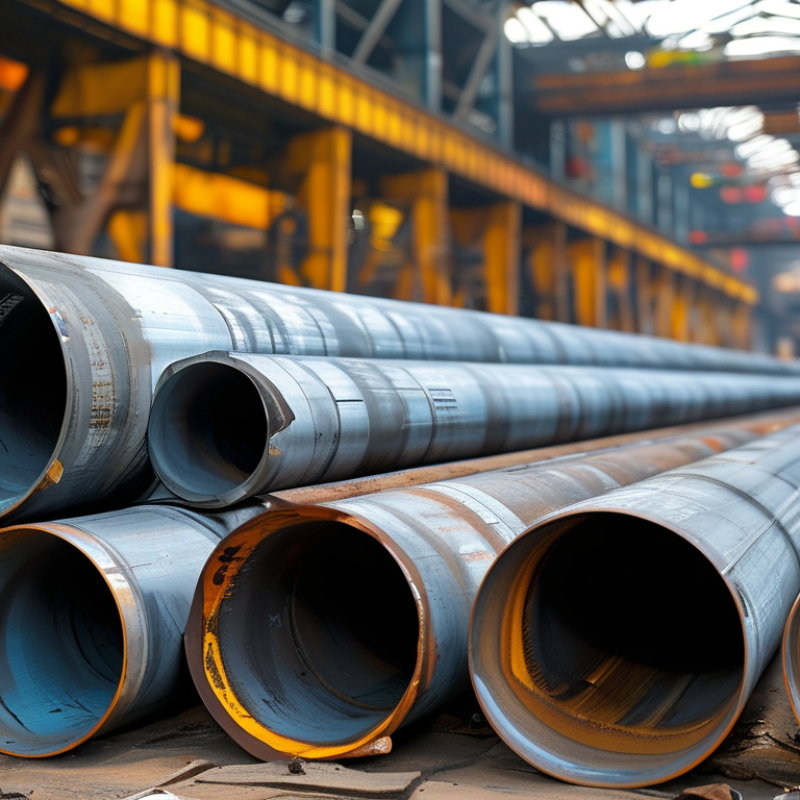
When selecting an industrial steel pipe, it’s crucial to understand the types available. Steel pipes come in various shapes and sizes, each serving specific purposes. For example, seamless pipes are crafted without welds, making them ideal for high-pressure applications. On the other hand, welded pipes are often more affordable and can handle lower pressure situations. Knowing these differences helps in making an informed choice.
Another key aspect is the pipe material. Carbon steel pipes offer great strength and are often used in construction projects. Stainless steel pipes resist corrosion, making them suitable for environments exposed to moisture. However, it’s essential to consider the pipe's durability based on the intended application. Some may overshoot their needs, opting for stronger materials when lighter options suffice.
Nickel alloy pipes, though less common, have specialized uses in extreme conditions. This leads to complexities in selection. Careful analysis is necessary to avoid costly mistakes, like over-engineering. Experts often recommend engaging with knowledgeable suppliers. They can provide insights tailored to specific projects. Proper understanding of these factors guarantees that the chosen pipe meets both functionality and cost-effectiveness.
2026 How to Choose the Best Industrial Steel Pipe for Your Needs?
| Type of Pipe | Material | Diameter (inches) | Wall Thickness (inches) | Application |
| Seamless Steel Pipe | Carbon Steel | 1.0 | 0.5 | Oil and Gas |
| Welded Steel Pipe | Stainless Steel | 2.0 | 0.25 | Structural Applications |
| Spiral Steel Pipe | Alloy Steel | 3.0 | 0.75 | Water Transportation |
| EFW Steel Pipe | Mild Steel | 4.0 | 0.3 | Pipeline Construction |
| Galvanized Steel Pipe | Galvanized Steel | 1.5 | 0.4 | HVAC Systems |
Assessing Material Properties of Steel for Pipe Selection
Choosing the right industrial steel pipe involves understanding its material properties. Steel pipes vary widely in strength, corrosion resistance, and fabrication techniques. Researching these properties is crucial for making an informed decision. Key factors include tensile strength, yield strength, and the chemical composition of the steel.
One tip for selection is to evaluate your project requirements. Consider the pressure the pipes will endure. Will they be exposed to corrosive environments? Each application has unique demands that influence the ideal material. Knowing your environment can significantly narrow down the options.
Another consideration is the manufacturing process. Pipes can be welded, seamless, or fabricated using different methods. Each type has its strengths and drawbacks. Seamless pipes often offer better pressure retention, but they can be costlier. On the other hand, welded pipes can be more versatile but may not perform as well under certain stresses. Always weigh the pros and cons of each type concerning your specific needs.
Evaluating Pipe Dimensions and Specifications for Your Project
When choosing industrial steel pipes, understanding dimensions and specifications is crucial. The right dimensions ensure that pipes fit correctly in your project. Standard pipe sizes are widely available, but specific needs may require custom measurements. Industry reports suggest that 50% of project failures come from incorrect pipe sizing. This underscores the importance of accurate dimension evaluation.
Pipe specifications, including wall thickness and material grade, significantly impact durability and performance. A report by the American Society for Testing and Materials indicates that improper wall thickness can lead to premature failure in 20% of applications. Conducting thorough research on material strength and corrosion resistance is vital. Consider the environment where the pipes will be used.
Tips: Always consult with an engineer to verify pipe specifications. Conduct tests on materials before final decisions. Regularly assess installation techniques to avoid errors. Evaluating these elements diligently can save time and resources in the long run. Ultimately, reflection on past mistakes can lead to better choices in future projects, ensuring sustainability and cost-efficiency.
Considering Corrosion Resistance and Coating Options
When selecting industrial steel pipes, corrosion resistance is crucial. Certain environments expose pipes to harsh conditions. Water, chemicals, and extreme temperatures can accelerate deterioration. High-quality coatings can mitigate these risks effectively.
Coating options vary widely. Epoxy and polyurethane coatings offer excellent protection against corrosion. Some industries may require specialized coatings for added durability. Over time, certain coatings may wear down, leading to vulnerabilities. Regular inspections can help identify potential issues early.
Understanding your specific needs is vital. Different applications may demand varying levels of corrosion resistance. If the pipe will be in a highly saline environment, consider thicker coatings. Adequate preparation before installation can ensure optimal adhesion of protective layers. Make choices based on reliable data and expert recommendations.
Analyzing Cost-Effectiveness and Supplier Reliability in Pipe Procurement
When selecting industrial steel pipes, cost-effectiveness is crucial. Analyze the overall price, including shipping and handling. Cheap pipes may save money upfront but could lead to higher long-term costs due to maintenance or replacements. Sometimes, higher-priced options are worth the investment if they guarantee durability.
Supplier reliability significantly influences procurement decisions. Research suppliers thoroughly to understand their track record. Check for certifications and customer feedback. Reliable suppliers often provide better warranties and customer support. A reputable source will mitigate risks and ensure you receive quality products on time.
Consider your specific needs. Size, shape, and pipe specifications matter greatly. Poorly chosen pipes can lead to project delays. Assess your requirements carefully. Don't skip this crucial step. Reflect on past experiences with suppliers and materials. Strive for a balance between cost and quality in your decisions.