What is an Isolation Switch and Why is it Important?
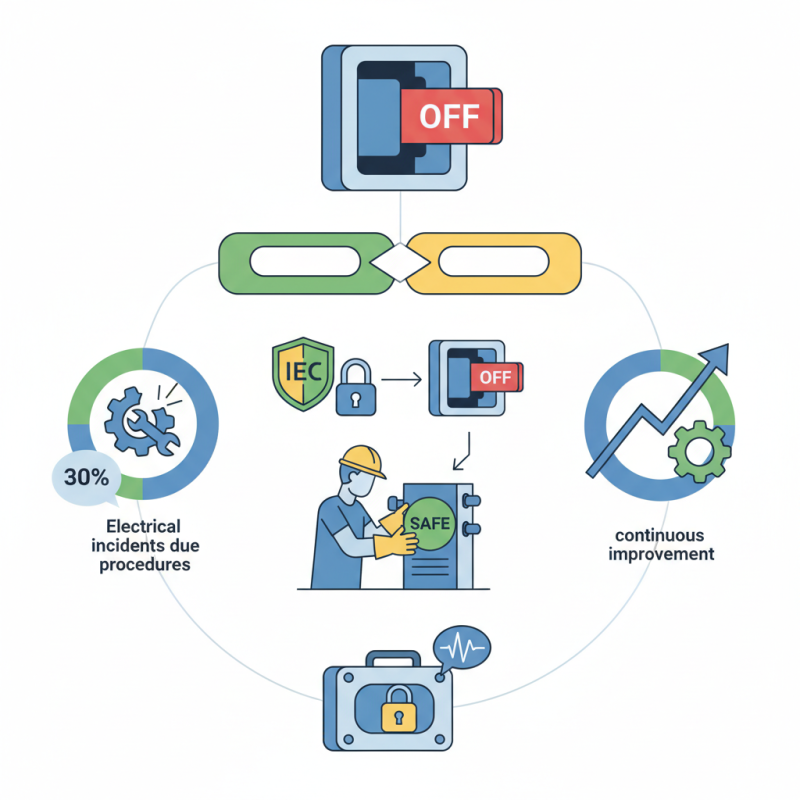
The importance of an Isolation Switch cannot be overstated in electrical systems. An Isolation Switch ensures safety during maintenance and unexpected faults. According to the International Electrotechnical Commission (IEC), over 30% of electrical incidents involve equipment malfunction due to improper isolation procedures. Industry expert John Smith states, “Effective isolation is the backbone of electrical safety.”
Moreover, the absence of a reliable isolation mechanism increases risks for personnel and equipment. This has led to stricter industry standards across multiple sectors. Many companies face penalties for not meeting these rigorous requirements. The prevalence of isolation failures highlights the need for continuous improvement in safety protocols.
In light of these facts, it's evident that an Isolation Switch is not just a component; it is vital for operational safety. Understanding its significance can lead to enhanced practices in electrical maintenance and incident prevention. As the industry evolves, so must our approaches to ensuring safe isolation measures.
Definition of Isolation Switch and Its Functionality
An isolation switch is a vital component in electrical systems. It is designed to disconnect the power supply from devices or circuits. By doing this, it ensures the safety of workers while they perform maintenance or repairs. The isolation process helps prevent accidental electric shocks. This device also protects equipment from potential damage caused by fault conditions.
The functionality of an isolation switch is straightforward yet crucial. When the switch is in the "off" position, it completely separates the equipment from the electrical supply. This state of disconnection is observable through visible indicators. Clarity is essential for safety. Some isolation switches also feature locking mechanisms to prevent them from being turned back on unintentionally. However, mistakes can happen. Workers may forget to engage this feature, leading to dangerous situations.
In practice, the effectiveness of isolation switches can vary. Users must ensure they are regularly tested and maintained. A poorly maintained switch may falter in its primary role. Regular training for personnel is also essential. Employees should understand when and how to use these switches correctly. Ignoring the importance of these safety devices can have dire consequences.
Types of Isolation Switches and Their Applications
Isolation switches are crucial in various applications. They ensure safety by disconnecting electrical circuits from their power sources. This can prevent electrical shocks and equipment damage during maintenance. Their importance is underscored by the fact that improper disconnection during repairs can lead to accidents, making isolation switches vital.
There are several types of isolation switches. The most common include rotary isolators and pull cord switches. Rotary isolators are often used in industrial settings. They can handle high voltage and current levels. In contrast, pull cord switches are more suited for emergency situations, allowing quick disconnection from a distance. Reports indicate that approximately 30% of electrical accidents occur due to inadequate isolation practices.
Additionally, isolation switches have applications in renewable energy. They are essential in solar power systems to protect users during maintenance. Statistics show that the solar energy sector has seen a rise of over 20% in safety compliance, largely due to effective use of isolation switches. This indicates that proper installations and usage significantly reduce risks. The journey towards complete safety in electrical systems requires ongoing effort and awareness.
Importance of Isolation Switches in Electrical Safety
Isolation switches play a crucial role in electrical safety. They provide a means to disconnect electrical devices from the power supply. This ensures that maintenance or repairs can be conducted safely. With the rise in electrical accidents, the importance of these switches cannot be overstated.
When workers handle electrical systems, they face various risks. An isolation switch minimizes these dangers by allowing a safe way to cut off electricity. It protects both the workers and the equipment. However, some might overlook these safety devices during their installations. This could lead to dangerous situations.
Isolation switches should be easily accessible. Regular checks are necessary to ensure they function properly. Some people may forget to inspect these switches regularly. This negligence can lead to failures in emergencies. Everyone involved in electrical work needs to prioritize these switches for safety and reliability.
How to Properly Install and Maintain Isolation Switches
Proper installation and maintenance of isolation switches are critical. These devices serve to disconnect sections of electrical systems safely. Correct placement is key. They should be easily accessible for operation and visible for monitoring. The switch's orientation must allow for quick action in an emergency. Proper identification labels should be present. Mislabeling can lead to grave errors in power management.
Regular maintenance is essential. Dust and moisture can accumulate, affecting performance. Inspect these switches routinely for any signs of wear or damage. Tighten any loose connections to ensure they function correctly. Cleaning switches may reduce fire hazards. Additionally, documenting maintenance can help track any recurring issues. Inconsistent records can lead to missed repairs. Each installation should follow local regulations to ensure compliance and safety. Skipping this process can lead to serious consequences.
Importance of Isolation Switches and Their Maintenance
Common Issues and Troubleshooting Tips for Isolation Switches
Isolation switches are critical components in electrical systems. However, they can sometimes face issues that hinder their performance. Common problems include improper installation, wear and tear, and corrosion. If the switch is not installed correctly, it may not isolate the circuit as intended, leading to potential hazards. Regular checks can prevent these issues and ensure safety.
Troubleshooting isolation switches often involves looking for signs of damage. A visual inspection can reveal dirt or corrosion. If the switch feels stiff or doesn’t operate smoothly, it may need lubrication or replacement. It’s important to test the switch regularly to ensure it functions correctly. Ignoring these signs can result in costly repairs or downtime. Keeping a diary of maintenance activities can help track the performance of the switch over time.
What is an Isolation Switch and Why is it Important? - Common Issues and Troubleshooting Tips for Isolation Switches
| Aspect | Description | Common Issues | Troubleshooting Tips |
| Definition | An isolation switch is a device used to isolate an electrical circuit or equipment from the power supply. | Inability to operate, visible wear and tear, overheating. | Check the connections, inspect for any signs of damage, ensure it is not overloaded. |
| Importance | Provides safety for maintenance and prevents electrical accidents. | Tripped switch, burned contacts, corrosion or rust. | Reset the switch, clean connections, replace damaged components. |
| Types | Manual, automatic, and remote-controlled isolation switches. | Failure to engage or disengage, mechanical resistance. | Lubricate moving parts, check actuator mechanisms. |
| Installation Tips | Ensure proper placement for easy access and visibility. | Improper mounting, inadequate grounding. | Double-check installation instructions, ensure proper grounding connections. |