What is a Pressure Reducing Regulator and How Does It Work?
Pressure Reducing Regulators play a crucial role in various industrial and residential applications. According to John Harper, an expert in the field, "A reliable pressure reducing regulator ensures safety and efficiency in any system." This highlights their importance in managing gas and fluid pressures.
These devices control the pressure of gases or liquids, preventing dangerous spikes. They are essential in maintaining consistent flow rates. When pressure fluctuates, it can lead to equipment damage or operational failures. Understanding how they work can help in selecting the right model for specific needs.
However, not all regulators perform equally. Regular maintenance and proper installation are vital. A poorly functioning regulator can lead to inefficiencies. Pressure Reducing Regulators must match the system requirements perfectly. Achieving this balance requires careful consideration and sometimes, a bit of trial and error. Continuous learning about these devices is necessary for optimal performance.
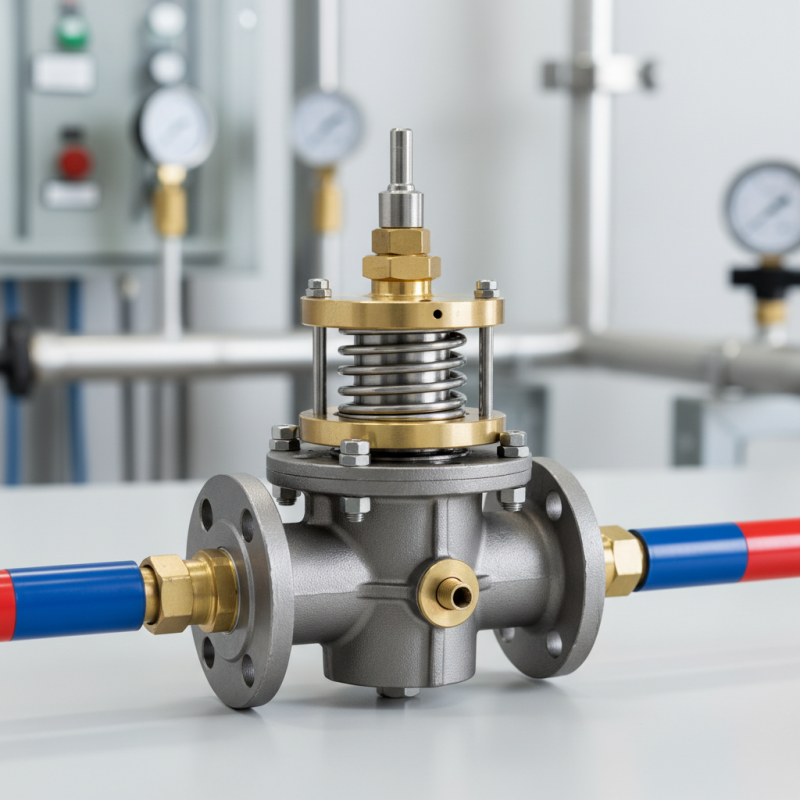
What is a Pressure Reducing Regulator?
A pressure reducing regulator is a crucial component in fluid systems. It reduces the input pressure to a desired lower level. Many industries rely on these regulators for safety and efficiency. They control the flow of gases or liquids, ensuring stable operations.
According to industry reports, around 40% of energy loss in certain systems can be traced back to poor pressure regulation. A well-functioning regulator helps maintain optimal pressure levels. This improves the overall performance of equipment and reduces waste. Keeping pressure consistent ensures processes run smoothly.
**Tips:** Regular maintenance is key. Check for leaks and wear. This can prevent costly downtime. Identify the correct specifications based on your system’s requirements. This could save resources in the long run. Remember, even small pressure fluctuations can impact system performance.
Pressure Reducing Regulator Performance Data
This chart displays the performance metrics of pressure reducing regulators under different flow conditions. The Y-axis represents the output pressure (in psi), while the X-axis represents the flow rate (in GPM). The data shows how output pressure varies with different flow rates, illustrating the regulator's performance capabilities.
Key Components of a Pressure Reducing Regulator
A pressure reducing regulator, often found in various applications, is crucial for controlling fluid pressure. Its key components play a significant role in ensuring efficiency. The diaphragm is one such component that senses downstream pressure changes. When pressure rises, the diaphragm moves, adjusting the flow accordingly.
Another essential part is the spring mechanism. It provides the necessary tension for the diaphragm to return to its original position. This balance is delicate; too much tension can restrict flow, but too little can cause instability. The adjustment knob allows users to set the desired outlet pressure. However, improper settings may lead to over-pressurization or inadequate supply.
The inlet and outlet ports connect the regulator to the delivery system. These connections must be secure to prevent leakage. Additionally, a gauge may be present to monitor pressure levels efficiently. Regular maintenance of these components is essential, yet often overlooked. Users should routinely check for wear and tear to ensure optimal performance. Ignoring these details can lead to serious issues down the line.
How Pressure Reducing Regulators Function
Pressure reducing regulators play a vital role in controlling gas or fluid pressure in various applications. These devices ensure that the output pressure remains stable, no matter the input fluctuations. They are essential in industries like oil and gas, manufacturing, and HVAC systems. According to industry reports, installing pressure reducing regulators can enhance efficiency by up to 30%, preventing costly leaks and equipment damage.
How do these regulators function? When the inlet pressure exceeds the preset level, the regulator opens a valve to release excess pressure. This process uses a spring mechanism and diaphragm to maintain a consistent output pressure. Interestingly, while regulators are designed for precision, they may also experience wear over time. Regular maintenance is key to ensuring they operate efficiently. Ignoring this could lead to increased operational costs.
Tips: Always monitor your pressure levels. Too much pressure can lead to system failures. A visual inspection every three months can help spot issues early. Remember, not all systems are the same. Adapting your regulator to fit specific needs may be necessary. Sometimes, adjustments can be more art than science, and trial and error could be a part of the process.
Applications of Pressure Reducing Regulators in Industry
Pressure reducing regulators are essential in various industrial applications. They help manage and control pressure levels in systems that require stability. Many industries, including oil and gas, pharmaceuticals, and food processing, rely on these devices. According to a recent report, over 60% of industrial accidents relate to pressure management failures. This indicates the crucial role of regulators in ensuring safety.
In the oil and gas sector, pressure reducing regulators help maintain optimal conditions for safe operations. They prevent over-pressurization, which can lead to expensive accidents and environmental damage. Approximately 25% of reported incidents arise from pressure regulation failures. In pharmaceuticals, maintaining specific pressure levels is vital for product quality and safety. Any fluctuation can compromise drug efficacy, affecting patient health.
Despite their importance, pressure reducing regulators can present challenges. Regular maintenance and calibration are necessary to ensure performance. Neglect can lead to inaccuracies, resulting in inefficiencies. A survey revealed that 30% of industry professionals see calibration as a recurring issue. Addressing these concerns can enhance operational safety and performance in various sectors.
Maintenance and Troubleshooting Tips for Regulators
Pressure reducing regulators (PRRs) play a crucial role in managing gas flow within various systems. Proper maintenance of these devices is essential for efficient operation and long-term reliability. Regular inspection can help identify issues before they escalate. According to industry reports, worn components can lead to gas leaks, causing safety hazards and potential operational failures.
To ensure your PRR operates smoothly, check for any signs of corrosion or wear. Keep the regulator area clean and free from debris. Monitor the system pressure regularly. A sudden spike or drop may indicate an underlying problem. This could cause inconsistent performance. Pay attention to valve response times; slow response can signal bigger issues.
One tip to enhance reliability is to replace filters regularly. Dirty filters can obstruct flow, reducing regulator efficiency. Additionally, consider conducting routine leak tests using soapy water. This makes it easier to spot small leaks. If you notice a persistent fluctuation in pressure, don’t ignore it. It’s a sign that your regulator may need professional inspection or repair. Maintain awareness and address issues promptly to ensure safety and functional integrity.
What is a Pressure Reducing Regulator and How Does It Work? - Maintenance and Troubleshooting Tips for Regulators
| Dimension | Value | Unit | Notes |
| Input Pressure | 250 | psi | Typical maximum input pressure for regulators |
| Output Pressure | 60 | psi | Standard output pressure setting |
| Flow Rate | 20 | GPM | Maximum flow rate capacity |
| Material | Brass | - | Common material used for regulators |
| Size | 2 | inch | Inlet size of the regulator |
| Temperature Range | -20 to 150 | °F | Operational temperature limits |
| Calibration Interval | 1 | Year | Recommended frequency for calibration |