Top 10 Tips for Choosing the Best High Pressure Diaphragm Pump
In the realm of fluid management, the significance of selecting the right equipment cannot be overstated, particularly when it comes to high pressure diaphragm pumps. These pumps play a crucial role in various industries such as pharmaceuticals, food and beverage, and chemical processing, where the demand for reliability and efficiency is paramount. According to a recent report by MarketsandMarkets, the global diaphragm pump market is projected to reach $5.2 billion by 2026, highlighting the increasing reliance on high pressure diaphragm pumps for critical applications.
Industry experts emphasize the importance of making informed choices. Dr. Sarah Thompson, a leading authority from the Fluid Dynamics Institute, remarked, "Choosing the right high pressure diaphragm pump can significantly affect operational efficiency and product quality." Her insights underscore that the selection process requires a thorough understanding of specific operational requirements and the unique characteristics of different diaphragm pump models. With the right guidance, businesses can navigate the complexities of the market, ensuring that they invest in the best high pressure diaphragm pump suited to their needs.
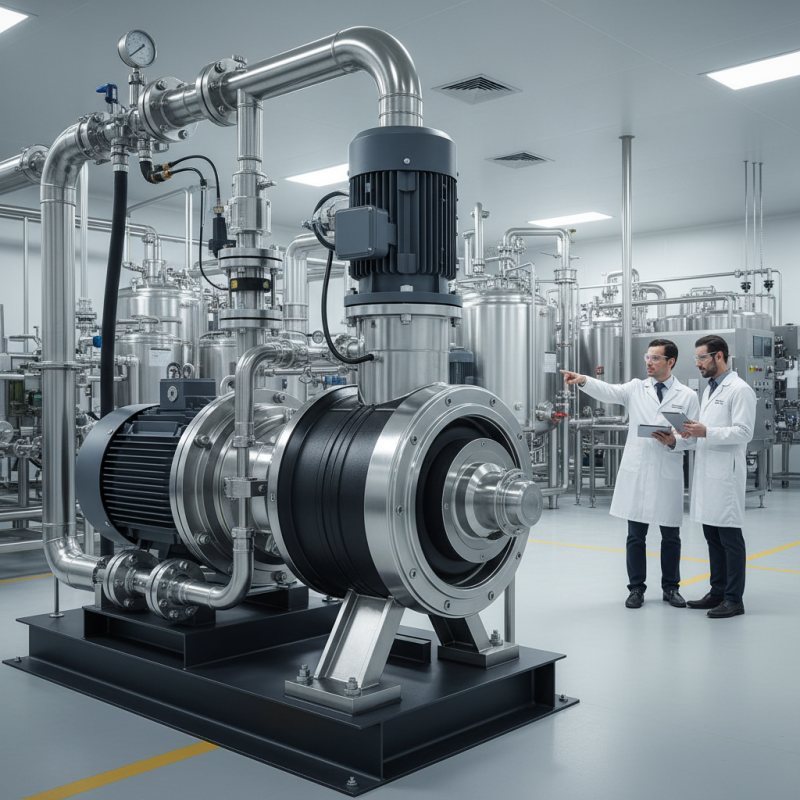
Understanding the Basics of High Pressure Diaphragm Pumps
High pressure diaphragm pumps are widely used in various industrial applications due to their reliability and efficiency. Understanding the fundamentals of these pumps is crucial for selecting the right one for your needs. Diaphragm pumps operate on the principle of positive displacement, utilizing flexible diaphragms to create a vacuum that draws fluid into the pump chamber and then expels it through a discharge port. This mechanism allows for precise control over flow rates and the ability to handle a variety of fluids, including those that are corrosive or shear-sensitive.
When choosing a diaphragm pump, consider factors such as the type of operation (single or double acting), the specific mechanism, and the fluid properties involved. The latest advancements in diaphragm pump technology, such as improved volumetric efficiency and the ability to handle challenging media, provide users with enhanced options for optimized performance. Understanding these basics not only aids in the selection process but also ensures efficient operation and longevity of the pump in demanding environments.
Key Factors to Consider When Selecting a Diaphragm Pump
When selecting a high pressure diaphragm pump, it is crucial to consider several key factors to ensure optimal performance for your specific application. First, assess the fluid characteristics, including viscosity, temperature, and whether the fluid contains solids or corrosive elements. This will help you determine the material compatibility of the pump components and ensure it can handle the intended fluid without risking damage or degradation.
Another important factor is the pump's flow rate and pressure capabilities. Understanding your operational requirements allows you to select a pump that meets your needs without underperformance or excess energy consumption. Additionally, evaluate the pump's maintenance requirements, ease of installation, and overall reliability. A well-designed diaphragm pump should not only meet immediate requirements but also offer longevity and efficiency to support your operations. Keep these considerations in mind to make an informed decision when choosing the best high pressure diaphragm pump for your needs.
Top 10 Tips for Choosing the Best High Pressure Diaphragm Pump
| Feature |
Description |
Importance |
| Material Compatibility |
Ensure the pump materials are compatible with the fluids being handled. |
Critical for avoiding chemical reactions or pump failure. |
| Pressure Range |
Select a pump that can handle the required pressure range for your application. |
Essential for ensuring proper operation under specific conditions. |
| Flow Rate |
Determine the necessary flow rate to meet your process demands. |
Vital for maintaining efficiency in production processes. |
| Drive Type |
Choose between pneumatic, electric, or hydraulic drive types. |
Impacts energy consumption and operational control. |
| Size and Weight |
Consider the physical dimensions and weight for installation constraints. |
Affects transport, installation, and maintenance capabilities. |
| Maintenance Needs |
Evaluate the ease of maintenance and availability of spare parts. |
Impacts long-term operational costs and downtime. |
| Temperature Capabilities |
Ensure the pump can handle the temperature requirements of your application. |
Prevents damage to the pump and maintains efficiency. |
| Noise Level |
Consider the operational noise level in the environment. |
Critical in maintaining workplace safety and comfort. |
| Certifications |
Check for relevant certifications that ensure compliance with industry standards. |
Necessary for regulatory compliance and liability protection. |
| Cost |
Assess the initial cost versus lifetime operational cost. |
Influences budget allocation and long-term investment value. |
Assessing the Pump's Material Compatibility for Your Application
When selecting a high pressure diaphragm pump, one of the most critical factors to consider is material compatibility. Different applications may involve various chemicals and fluids that can significantly affect the pump's performance and longevity. It’s essential to evaluate the materials used in the pump's construction, such as the diaphragm, valves, and housing. Ensure that they can withstand the specific chemicals and temperatures your application entails to prevent premature failure or leaks.
One tip for assessing material compatibility is to consult the manufacturer’s specifications and compatibility charts. This information will help you identify whether the materials used in the pump are suitable for the chemicals you plan to handle. Additionally, consider the physical characteristics of the fluid, such as viscosity and temperature, as these factors also influence material selection. Opt for pumps that offer a variety of material options, allowing you to customize your choice based on your specific needs.
Another important aspect is to conduct a thorough analysis of both the chemical resistance and mechanical properties of the materials. Some pumps may perform well under certain conditions but fail under others due to pressure fluctuations or temperature changes. Always prioritize pumps that have a proven track record in your industry to ensure reliability and efficiency in your application.
Evaluating Performance Metrics: Flow Rate and Pressure Requirements
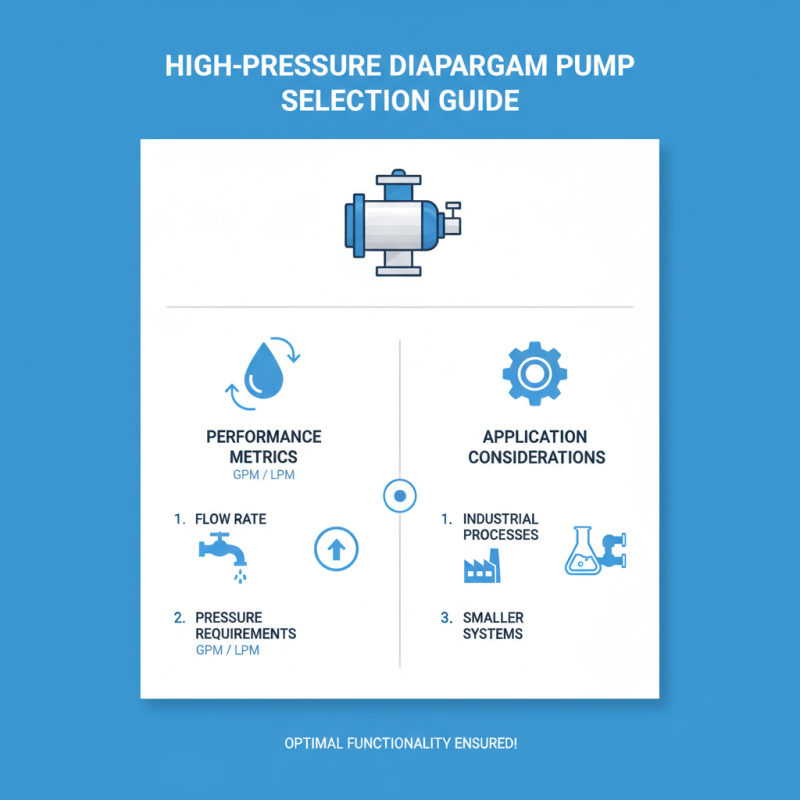
When selecting a high pressure diaphragm pump, evaluating performance metrics such as flow rate and pressure requirements is crucial for ensuring optimal functionality in your specific application. The flow rate, typically measured in gallons per minute (GPM) or liters per minute (LPM), indicates how much fluid the pump can move within a given timeframe. Different applications will necessitate varying flow rates; for instance, industrial processes may require higher flow rates for efficient operation, while smaller systems might function effectively with lower rates. Understanding the specific demands of your project allows you to choose a pump that will maintain consistent output without lag or interruption.
Pressure requirements also play a significant role in pump selection. Each diaphragm pump has a maximum pressure rating designed to handle the needs of specific applications, such as chemical processing or water treatment. Pay careful attention to both the maximum and operational pressure ratings to ensure the pump can deliver the required performance without risk of damage. It's essential to consider not only the peak pressure but also how the pump performs under varying conditions, as fluctuations in pressure can affect overall efficiency and reliability. By thoroughly assessing these performance metrics, you can confidently select a diaphragm pump that aligns with your operational demands.
Maintenance and Support: Ensuring Long-Term Reliability of Your Pump
When selecting a high pressure diaphragm pump, one of the most critical aspects often overlooked is maintenance and support. According to a report by the Hydraulic Institute, nearly 30% of pump failures are attributed to inadequate maintenance practices. Regular inspections and timely servicing can significantly enhance the lifespan of the pump and reduce the likelihood of unexpected downtimes. Implementing a preventive maintenance schedule not only keeps the pump operating at peak efficiency but also minimizes costly repairs in the long run.
Furthermore, the availability of reliable support services can make a substantial difference in maintaining the reliability of your pump. A study by the American Pump Manufacturer Association revealed that organizations with dedicated technical support teams report a 25% increase in operational efficiency. Ensuring that your chosen pump supplier offers robust support, including access to expert advice and replacement parts, is essential for sustaining performance. Particularly in high-pressure applications where performance is critical, having a reliable support framework can help end-users navigate challenges and maintain a seamless operation.