Top Tips for Choosing the Best RV Water Pump for Your Needs
When it comes to choosing the best RV water pump for your needs, the options can be overwhelming. As RV industry expert and author Mike Thompson emphasizes, "Selecting the right RV water pump is crucial for ensuring optimal water flow and meeting your travel requirements." Understanding the specific demands of your RV setup is essential for making an informed decision.
The RV water pump serves as a vital component of your recreational vehicle, providing consistent water pressure for showers, sinks, and other water-dependent appliances. Whether you’re embarking on a weekend getaway or a cross-country adventure, having a dependable water pump can make all the difference in your overall experience.
In this guide, we will delve into the essential factors to consider when selecting an RV water pump, including flow rate, power consumption, and noise level. By taking all of these components into account, you can ensure that your RV is equipped with the best water pump possible, enhancing your travels and ensuring comfort along the way.
Understanding the Different Types of RV Water Pumps Available
When selecting an RV water pump, it’s crucial to understand the different types available to ensure you choose the one that best suits your needs. The most common types include diaphragm pumps, magnetic drive pumps, and submersible pumps. Diaphragm pumps are popular for their self-priming capabilities, making them ideal for various recreational activities where consistent water flow is required. They typically offer a good balance of pressure and flow rate, making them a versatile option for general RV use.
Magnetic drive pumps, on the other hand, are known for their durability and quiet operation. These pumps are often used for transferring water and can handle higher flow rates, but they might not sustain the same pressure levels as diaphragm pumps. Lastly, submersible pumps are designed to be placed directly in the water source, making them perfect for use in remote locations where access is limited. They provide excellent efficiency, but their installation requires planning to ensure proper functioning. Understanding these types will help you make an informed decision when equipping your RV with the right water pump.
Top Tips for Choosing the Best RV Water Pump for Your Needs
Key Features to Consider When Selecting an RV Water Pump
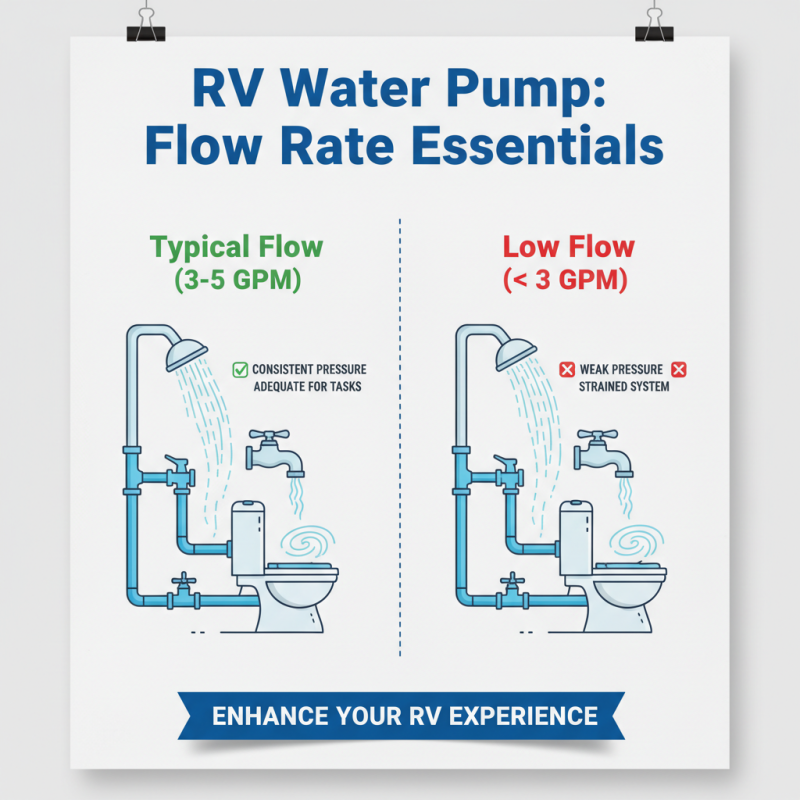
When selecting an RV water pump, understanding key features is essential to ensure consistency and reliability. One of the primary considerations is the flow rate, often measured in gallons per minute (GPM). According to industry standards, a typical RV water pump should offer a flow rate between 3 to 5 GPM, which is adequate for most tasks such as showering, washing dishes, and flushing toilets. Choosing a pump that meets or exceeds this range can significantly enhance your RV experience by providing sufficient water pressure without straining the system.
Another vital feature is the type of pump, which generally falls into two categories: diaphragm and centrifugal pumps. Diaphragm pumps are favored for their ability to maintain consistent pressure and prime even with minimal water supply, making them ideal for varied conditions encountered during RV travel. Data from RV Technical Association indicates that diaphragm pumps account for over 70% of water pump sales in the RV market due to their durability and performance under diverse circumstances. Additionally, noise level and energy efficiency should also be considered; pumps that operate quietly and consume less power can contribute to a more comfortable living environment and reduce strain on your RV’s electrical system, reflecting a growing preference for eco-friendly solutions among modern campers.
How to Determine the Right Flow Rate for Your RV's Needs
When selecting an RV water pump, understanding the right flow rate for your needs is crucial. Flow rate, measured in gallons per minute (GPM), dictates how quickly water is delivered to your fixtures and appliances. For instance, if you primarily use your RV for short weekend trips and only require water for basic needs like cooking and cleaning, a pump with a lower flow rate, around 2-3 GPM, may be sufficient. However, if you plan on using multiple outlets simultaneously, such as showers and sinks, consider a pump with a higher flow rate, ideally between 4-6 GPM, to ensure ample supply without frustrating wait times.
Additionally, it's essential to consider the size and capacity of your RV's water system. A larger RV with multiple bathrooms and a kitchen will necessitate a more powerful pump to handle the increased demand. You should also factor in how often you travel with additional passengers, as more users can quickly strain a lower capacity system. Taking these aspects into account will help you make an informed decision about which water pump will best serve your specific RV experiences while providing consistent water pressure and efficiency during your adventures.
Evaluating Energy Efficiency and Power Options for Water Pumps
When selecting an RV water pump, evaluating energy efficiency and power options is crucial for ensuring that your system meets your needs without excessive power consumption. A water pump that operates efficiently can significantly extend your battery life, especially during extended trips where access to power sources may be limited. Look for pumps that are designed with energy-saving features, such as variable speed motors or smart technology that adjusts power based on demand.
Additionally, consider the power options available for your water pump. Most RV water pumps are available in both 12-volt and 120-volt configurations. A 12-volt pump is generally preferred for RVs due to its compatibility with the vehicle's electrical system and its ability to operate directly off the battery. However, if your RV is equipped with a generator or you have access to shore power, a 120-volt pump might be suitable and offer higher performance for larger water demands. Assessing your energy needs and available power sources will guide you toward the most suitable pump for your RV lifestyle.
Maintenance Tips to Extend the Life of Your RV Water Pump
To ensure the longevity of your RV water pump, regular maintenance is key. Start by inspecting the pump and its connections periodically for any signs of wear or leaks. This will help you catch potential issues before they escalate into costly repairs.
Cleaning the water filter on a routine basis also plays a crucial role in preventing debris from clogging the system, which can hinder performance and reduce efficiency.
Additionally, maintaining the correct water pressure is essential. Over-pressurization can lead to premature wear and tear on the pump components. You can achieve this by installing a pressure regulator, which will help to maintain stable pressure levels throughout your RV’s plumbing system.
Lastly, winterizing your water pump during colder months is vital. Properly draining the system and adding antifreeze will protect it from damage caused by freezing temperatures, ensuring it remains in good condition for many adventures to come.