Best Tips for Choosing WPC Flooring for Outdoor Use?
Choosing the right Wpc Flooring Outdoor is essential for lasting beauty and functionality. WPC, which stands for Wood Plastic Composite, combines the best of wood and plastic. It offers durability and resistance to the elements, making it ideal for patios, decks, and garden pathways. However, with various options available, it can be overwhelming to select the right product.
Understanding your environment is crucial. Consider factors like climate, exposure to moisture, and sunlight. These can significantly impact your flooring choice. It's also wise to explore different styles and textures. Each design can alter the ambiance of your outdoor space. This flexibility allows for personal expression, yet it demands careful thought.
Selecting WPC flooring outdoor isn't just a simple purchase. It requires research and reflection. Engage with reputable suppliers and ask for samples. Look into warranties and maintenance needs. Sometimes, the cheapest option may not be the best in the long run. This is a decision you’ll live with for years, so prioritize quality and reliability.
Understanding WPC Flooring: Key Characteristics and Benefits
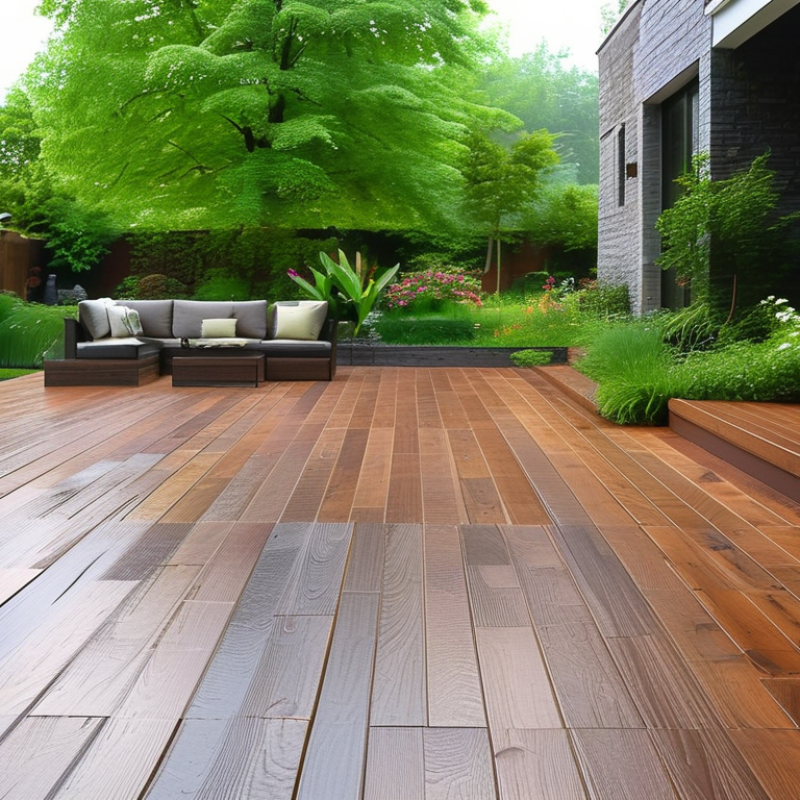
WPC flooring, or Wood Plastic Composite flooring, is an innovative choice for outdoor spaces. Its key characteristics make it ideal for patios, decks, and gardens. WPC combines the warmth of wood with the durability of plastic. This results in a beautiful yet resilient surface that withstands the elements. Unlike traditional wood, WPC does not warp or splinter easily, making it a safer option for families.
When choosing WPC flooring, consider your specific needs. Look at the local climate. Extreme heat or cold can affect performance. Think about the intended use. If your area sees heavy foot traffic, select a thicker board for durability. Pay attention to texture and color options. A good match with your outdoor decor enhances the overall aesthetic.
Here are some tips. Always examine product warranties; a longer warranty often indicates better quality. Test the slip resistance of the product, especially if children will play there. Finally, seek professional installation advice. Misalignment can lead to complications and reduced lifespan. Making informed choices contributes to satisfaction with your outdoor spaces.
Best Tips for Choosing WPC Flooring for Outdoor Use
Identifying Suitable Outdoor Environments for WPC Flooring
When selecting WPC flooring for outdoor spaces, it's critical to understand the environment. WPC, or Wood Plastic Composite, is engineered for durability and resistance to moisture, which makes it ideal for various climates. A recent report from the National Association of Home Builders suggested that 54% of homeowners prioritize durability in outdoor materials. This points to the growing demand for flooring that withstands harsh weather.
Think about the specific conditions in your area. If you live in a region with high humidity, choose WPC flooring designed with advanced moisture resistance. In drier climates, options with UV protection are essential. The American Society for Testing and Materials reports that exposure to UV rays can degrade outdoor materials significantly. Thus, investing in the right type of WPC can save money in the long run.
Pay attention to the surface texture as well. A textured finish can enhance traction, reducing the risk of slips. Surprisingly, about 35% of outdoor injuries are due to falls. Ensuring safety without sacrificing aesthetics is possible. It's worth reflecting on how much emphasis to place on both function and style. Finding the right balance can be a journey, requiring periodic assessment of both materials and designs to achieve the perfect outdoor setting.
Best Tips for Choosing WPC Flooring for Outdoor Use
| Environment | Suitability | Key Considerations | Maintenance Level | Aesthetic Appeal |
| Decks | High | Water resistance, slip resistance | Low | Variety of colors and textures |
| Poolsides | Moderate | Non-slip surface, durability | Medium | Elegant appearance, enhances pool area |
| Patios | High | Resistant to fading, easy cleaning | Low | Inviting and stylish |
| Balconies | Moderate | Weight support, moisture control | Medium | Modern and appealing |
| Walkways | High | Stable footing, resistance to wear | Low | Natural look blends well |
Evaluating Durability and Weather Resistance in WPC Products
When selecting WPC flooring for outdoor use, durability and weather resistance are key considerations. WPC, or wood-plastic composite, is known for its ability to resist various environmental factors. However, not all products offer the same level of protection. Examine the materials and their composition closely. Look for high-density WPC which typically withstands heavy foot traffic and extreme weather conditions better than its lower-density counterparts.
Weather resistance is another critical factor. Check the product's resistance to UV rays, moisture, and temperature fluctuations. High-quality WPC flooring should not warp or fade easily. Pay attention to the manufacturer's warranty as well. A longer warranty often reflects an investment in durability.
While these indicators help assess quality, it's wise to read user reviews too. Real-world experiences can highlight unexpected issues, such as color fading or surface wear. Choosing WPC flooring requires careful research. Balancing aesthetic appeal with functional longevity is not simple. Familiarize yourself with the various WPC options.
Understand that what works for one climate may not for another. It's essential to prepare for potential failures, such as discoloration or damage from heavy rain. A thoughtful approach ensures you make a more informed decision.
Comparing Costs: Budgeting for WPC Flooring Installation
When considering WPC flooring for outdoor spaces, budgeting plays a critical role. Reports indicate that the average installation cost ranges from $5 to $10 per square foot, depending on quality and location. This pricing includes both materials and labor. It's essential to account for your total area to ensure accurate budgeting. If you're working with a larger installation, even small discrepancies can add up.
Most homeowners underestimate additional costs like substructure preparation, which can be crucial for longevity. Investing in quality underlayment and proper drainage will save money in the long run. A failure to do so might lead to frequent repairs or replacements, which can be financially draining. Professional estimates can vary significantly based on local labor costs, so conducting thorough research is beneficial.
Many reports also highlight maintenance costs post-installation. While WPC is generally low-maintenance, occasional cleaning and sealing are necessary. Neglecting these tasks may diminish its appearance over time. An initial lower-cost option can lead to hidden long-term expenses if not carefully planned. Understanding these factors is key to making an informed decision.
Maintenance Tips for Longevity of Outdoor WPC Flooring
Maintaining outdoor WPC flooring is essential for its longevity. Regular cleaning is a must. Use a broom or leaf blower to remove debris. For deep cleaning, a mixture of mild soap and water does wonders. Avoid harsh chemicals that can damage the surface. Over time, nature can take a toll on your flooring.
Consider applying a protective sealant every few years. This helps guard against moisture and UV rays. It’s also wise to inspect the boards for any signs of wear or damage. Look for splinters, discoloration, or loosening. Addressing these issues early can prevent bigger problems later.
Another tip is to minimize heavy objects on the floor. Furniture and planters can cause dents or scratches. Use pads or coasters under furniture legs. Additionally, be mindful of extreme weather. If a storm is approaching, securing loose items can protect your WPC flooring. Creating a habit of regular maintenance ensures your outdoor space remains stunning for years.