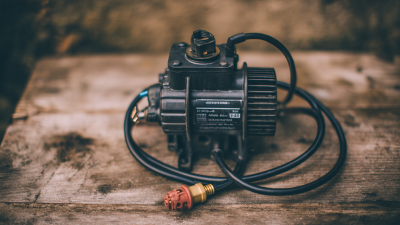
Top 24V Water Pump Options for Global Buyers Guide?
In the realm of fluid transfer solutions, the 24v water pump stands out due to its versatility and efficiency. Experts highlight its significance. John Thompson, a renowned specialist in pump technologies, states, “Choosing the right 24v water pump can greatly enhance performance in various applications.” His insights reflect the complexity of selecting the best product.
Many buyers often struggle with the vast options available. Not all pumps deliver the promised performance. It's crucial to assess factors like durability and efficiency. The market is filled with choices, yet not all meet rigorous standards. This can lead to disappointment and inefficiencies.
The 24v water pump is a critical investment for industries ranging from agriculture to aquaculture. Making an informed choice can save time and costs. However, the perfect pump doesn't exist. Each has its pros and cons. Understanding these can guide you toward a better decision.

Top Features to Consider When Selecting a 24V Water Pump
When selecting a 24V water pump, several crucial features must be considered. One key aspect is flow rate. A higher flow rate ensures efficient water distribution. Many applications, such as irrigation and aquaculture, require specific rates to maintain optimal performance. According to a 2022 industry report by the International Water Association, the average required flow rate for agricultural systems ranges between 1 to 10 gallons per minute.
Next, consider pump design and durability. Many pumps are made from materials like stainless steel or reinforced plastics. These materials offer resistance to corrosion and wear. In environments exposed to harsh conditions, durability is vital. Research indicates that pumps with enhanced sealing mechanisms can reduce maintenance needs and extend the lifespan. Investing in these features can prevent unnecessary downtime.
Energy efficiency is another critical feature. A pump that operates efficiently can significantly reduce operating costs. Reports from the Energy Efficiency and Renewable Energy Office state that energy-efficient pumps can save up to 30% on electricity usage. However, be aware that higher efficiency may often come at an initial cost. Balancing upfront expenses with long-term savings requires careful thought.
Each feature plays a role, but finding the right balance is challenging. Sometimes, a pump may excel in one category while lacking in another. Think about your specific needs and always be ready to reassess your choices.
Comparison of Performance Metrics for Leading 24V Water Pump Brands
When considering 24V water pumps, performance metrics play a crucial role. Buyers often evaluate
flow rate, pressure, and efficiency.
These factors directly affect how well a pump performs in various applications. Flow rate indicates the volume of water moved, while pressure reflects the force with which water is ejected.
Efficiency dictates how much energy the pump consumes versus the output it delivers.
Tips: When choosing a pump, always check the specifications. Ensure it fits your specific needs. It's essential to match the pump’s flow rate and pressure to your intended use.
Misalignment can lead to inefficiencies. Users frequently overlook the implications of energy consumption, which can lead to higher operational costs.
Another aspect to consider is
durability. A well-built pump should handle long-term use and harsh conditions. Look for materials that resist corrosion and wear.
Test durability claims through user reviews and expert opinions. Sometimes, products may not meet their advertised standards, making this research critical.
Impact of Pump Materials on Efficiency and Durability in 24V Models
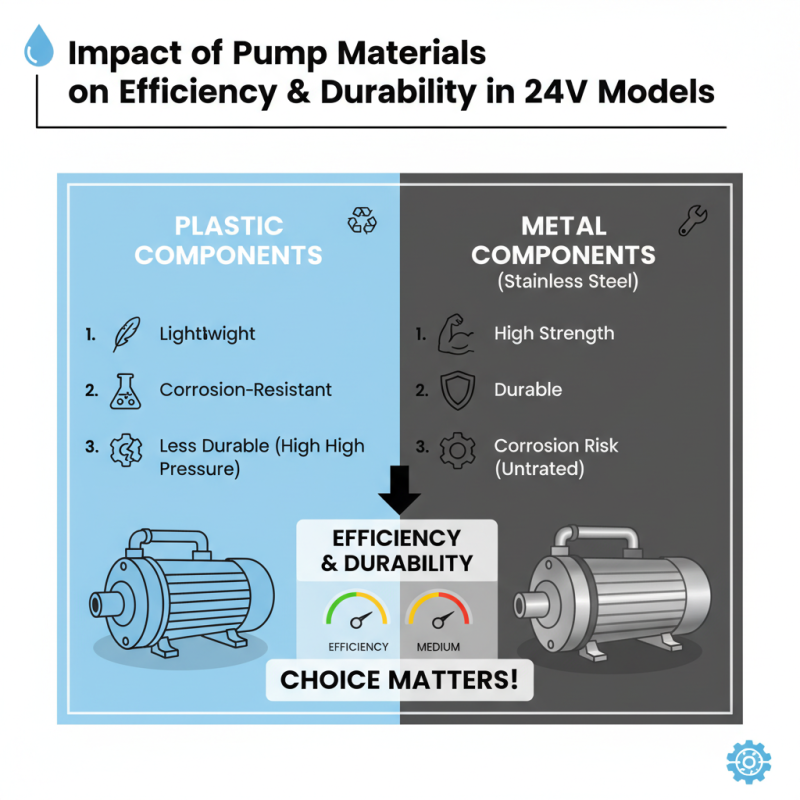
The choice of materials in 24V water pumps significantly impacts efficiency and durability. Many pumps use plastic or metal components. Plastics are lightweight and resist corrosion. However, they can be less durable under high pressure. Metal components, such as stainless steel, provide strength but may corrode over time if not treated properly.
Efficiency also ties back to materials. A pump with high-quality seals and bearings runs smoother. This reduces friction and energy loss. A poorly made pump may consume more power for less output. Evaluating materials helps buyers understand potential long-term costs. Although a cheaper pump may seem appealing, its lifespan can lead to higher expenses.
Design is crucial too. Certain materials can withstand harsh environments better than others. For instance, pumps intended for marine use often require special coatings. Buyers need to approach material selection mindfully. Reflect on whether the pump fits specific needs. Balancing cost with reliability is essential. Each decision shapes the performance and longevity of the pump.
Cost Analysis: Evaluating ROI on 24V Water Pump Investments
Investing in a 24V water pump can be a significant decision for various applications, from agricultural use to industrial processes. Evaluating the return on investment (ROI) involves considering not just the purchase price but also operational costs. Efficiency is key here. A pump that consumes less energy while delivering high performance can lead to substantial savings over time.
It's important to analyze maintenance needs as well. Some pumps require more frequent servicing, which can inflate long-term costs. In contrast, others offer durability and low maintenance, ultimately impacting ROI positively. Additionally, consider the pump's capacity and suitability for specific tasks. Misjudging these factors can lead to over or under-purchasing, both of which could harm financial returns.
While assessing these factors, buyers sometimes overlook the importance of supplier reliability. Ensure you choose suppliers with a proven track record. Research is necessary. Sometimes, the most affordable option may not be the best choice. Understanding the balance between cost and performance can lead to better investment decisions.
Cost Analysis of 24V Water Pumps
Global Trends in 24V Water Pump Technology and Market Demand
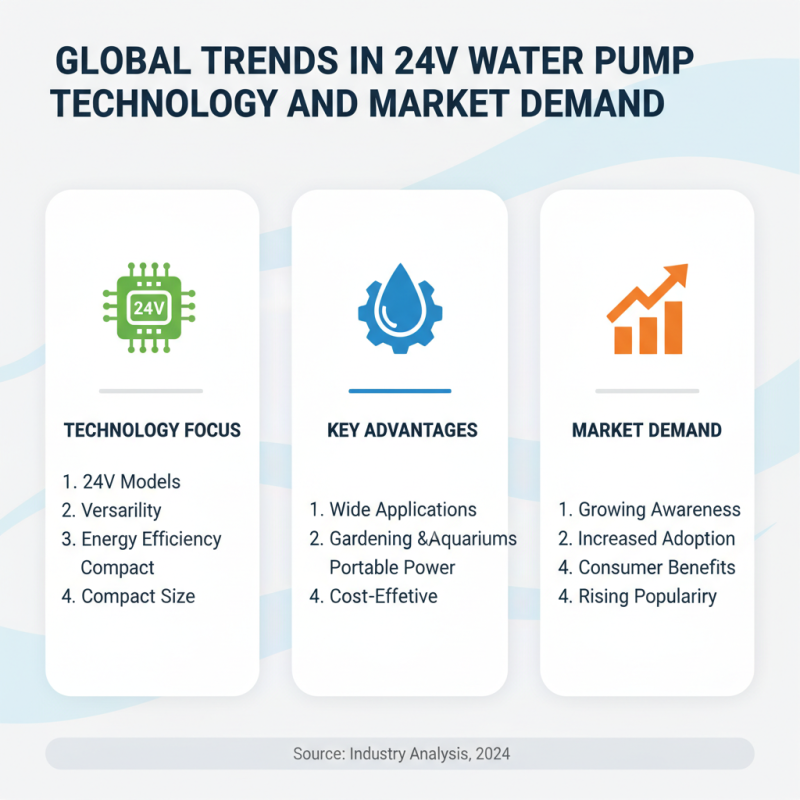
In the evolving landscape of water pump technology, a significant focus is on 24V models. These pumps are gaining traction due to their versatility and energy efficiency. Users appreciate their compact size, making them suitable for various applications, from gardening to aquariums. Demand is rising as more consumers become aware of the benefits.
The global market trends indicate a shift toward sustainability. Consumers prefer products that minimize environmental impact. Many manufacturers are responding to this demand by developing more eco-friendly designs. Solar-powered 24V pumps are an emerging trend. These models offer a green solution for regions with limited electricity access. However, reliability remains a concern. Users should consider performance in different environments.
Emerging technologies, such as smart features, are also gaining attention. Wi-Fi connectivity allows users to monitor and control pumps remotely. This convenience is intriguing, but not all consumers need advanced features. Simplicity and reliability are still paramount for many buyers. As technology advances, the 24V water pump market will continue to evolve, reflecting diverse user needs and preferences.