China Top 12V Diaphragm Pump Suppliers?

Finding a dependable diaphragm pump 12v supplier in China takes more than comparing online prices. A pump may look suitable on a product page, yet perform differently under real operating conditions. Small details matter. Flow rate, maximum pressure, inlet lift, voltage tolerance, and duty cycle should match the intended application. Wetted materials matter too, especially when fluids contain additives or face changing temperatures. A compact 12V pump might serve an RV water system, agricultural sprayer, cleaning setup, or liquid-transfer task. These applications do not share identical requirements. There is no universal best model.

This guide introduces twelve Chinese suppliers and offers a practical starting point for comparing them. It considers product range, technical information, customization options, quality controls, and after-sales support. Supplier claims deserve verification. Request current datasheets, confirm test conditions, and ask whether specifications apply to the exact model being quoted. A sample can reveal noise, vibration, fittings, and build details that photographs miss. Check warranty terms and spare-part availability before placing a larger order. Communication is useful evidence, though it cannot prove long-term reliability by itself. The shortlist is not a guarantee of performance, and company capabilities can change. Buyers should confirm details directly and match each pump to their own operating conditions. That extra work may feel slow. It can prevent a costly mismatch.
China Top 12V Diaphragm Pump Suppliers?

What Is a 12V Diaphragm Pump?

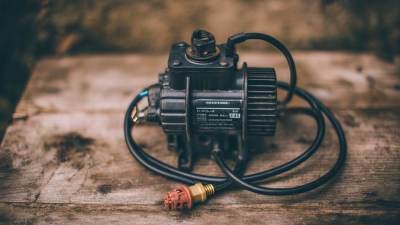
A 12V diaphragm pump is a small positive-displacement pump powered by a 12-volt direct-current motor. Inside, a flexible diaphragm moves back and forth, changing the volume of a pumping chamber. Inlet and outlet check valves guide liquid through the pump in one direction. No impeller is needed. This design can create useful pressure from a compact unit, making it common in mobile water systems, sprayers, and small transfer setups.

As the motor turns, a linkage pulls and releases the diaphragm. The chamber draws liquid through the inlet valve, then pushes it out through the outlet valve. You may hear a steady pulsing sound, especially when the pump runs against a closed or restricted outlet. Many models are self-priming, but lift height, hose diameter, and trapped air affect performance. “Self-priming” does not mean installation details can be ignored.

For practical selection, check the rated flow, pressure, current draw, and duty cycle against the actual system. A long, narrow hose can reduce flow, while a blocked filter may make the motor work harder. Some pumps tolerate brief dry running; others can overheat or wear quickly. That difference matters. It is also easy to assume every diaphragm pump suits every liquid, but seals and wetted materials must match the fluid. A quick review of the specifications—and a simple flow test—can catch a poor fit before installation.

How 12V Diaphragm Pumps Work and Where They Are Used

A 12V diaphragm pump uses an electric motor to flex a rubber or thermoplastic diaphragm. As the diaphragm moves back, it creates suction and draws liquid through an inlet check valve. On the forward stroke, the valve closes and liquid exits through the outlet. The repeated motion produces flow without the motor contacting the liquid. Simple, but not magic: pressure, flow rate, and fluid compatibility still matter.

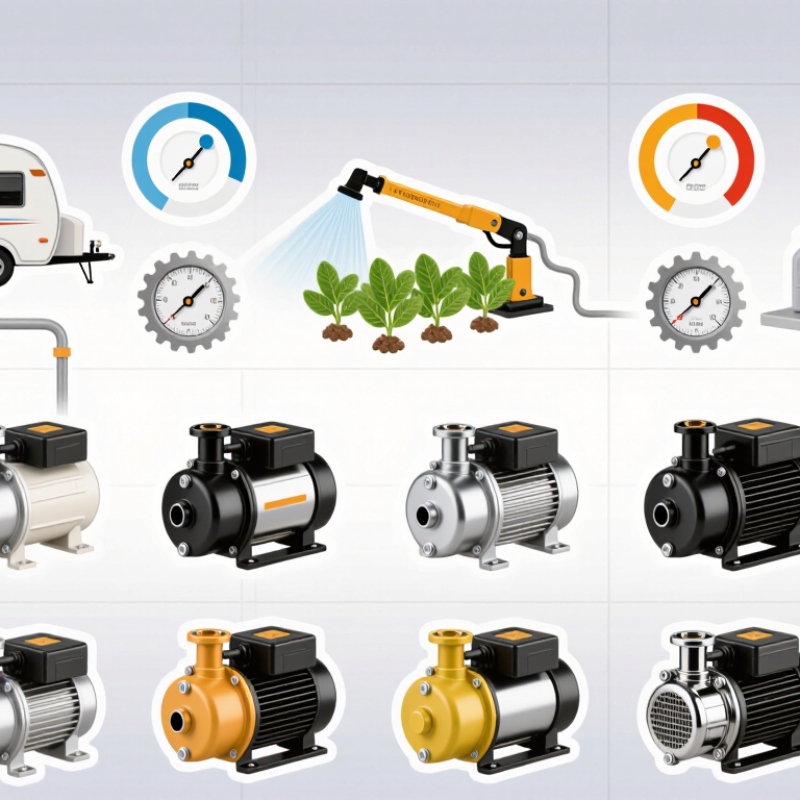
These pumps are common in recreational vehicles, boats, small agricultural sprayers, and portable water systems. For example, a pump may draw water from a tank and feed a sink through flexible tubing. In a sprayer, it can maintain pressure as a nozzle opens and closes. Actual performance depends on hose length, elevation, filters, and the pump’s duty cycle. A narrow, clogged filter can reduce flow quickly. That detail is easy to overlook.

Tips: Match the pump’s rated voltage and flow to the system, and check its maximum pressure before installation. Use a filter on the inlet, secure the wiring against moisture, and avoid running the pump dry unless the manufacturer permits it. Listen for irregular clicking or changes in flow; these can signal air leaks or a blocked line. Troubleshooting takes patience. A small leak may be hard to spot.

How 12V Diaphragm Pumps Work

Idealized diaphragm displacement over one reciprocating cycle

How to read the chart: As the diaphragm moves outward, the chamber expands and the inlet valve opens to draw in fluid. As it moves inward, the chamber contracts, the inlet valve closes, and fluid exits through the outlet valve. Displacement is normalized from 0% to 100%; this idealized waveform illustrates the cycle, not a specific pump’s measured performance.

Common uses: RV and marine water systems, agricultural and garden spraying, portable liquid transfer, and other low-voltage water-delivery applications.

Key Specifications for Comparing 12V Diaphragm Pumps

China Top 12V Diaphragm Pump Suppliers?

Key Specifications for Comparing 12V Diaphragm Pumps

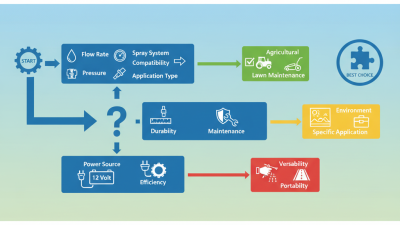
When comparing 12V diaphragm pumps, look beyond the advertised flow rate. Check the rated flow at a stated pressure, not just the maximum figure measured with an open outlet. A pump may deliver less once it pushes water through a narrow hose or filter. That difference matters.

Review working pressure, current draw, and duty cycle together. A pump drawing high current may need thicker wiring and a suitable fuse. Confirm that your power supply can handle startup demand, too. Short runs are different. Continuous use can expose heat and wear issues that a quick test misses. The catalogue number is only part of the picture.

Check self-priming height, port size, wetted materials, and temperature range against your actual setup. For example, measure the hose run and note the liquid temperature before choosing. Ask for test conditions behind performance figures, then verify them with a controlled bench test if possible. I would not treat a neat specification sheet as a guarantee; real installations can behave differently. That deserves a closer look.

How to Evaluate 12V Diaphragm Pump Suppliers in China

When evaluating 12V diaphragm pump suppliers in China, start with the operating conditions, not a catalogue headline. Define the required flow rate, pressure, fluid temperature, and daily run time. A pump that performs well in a brief demonstration may struggle during repeated starts or long operating cycles. Small details matter. Ask whether the stated flow rate was measured at your intended pressure and voltage.

Request a sample and a written test report. Check current draw, leakage, noise, and whether the pump restarts after the inlet line has been drained. Inspect the diaphragm and wetted materials against your fluid requirements. Ask how the supplier controls incoming parts and checks finished units. Ask for evidence. Clear answers are useful, but supporting records are better. A polished sample alone cannot show whether every production batch will match it.

Compare quotations with the same specifications, including connectors, packaging, inspection requirements, and expected lead time. Confirm who handles technical questions and how defects are investigated. A small pilot order can reveal packaging damage, inconsistent fittings, or delays before larger commitments. That can happen. Suppliers may also need time to clarify unusual operating conditions, so leave room for technical discussion. I would not treat the lowest price as proof of poor quality, or the longest warranty as proof of dependable support. Verify both against the details.

How to Verify Supplier Quality, Compliance, and Support

A 12V diaphragm pump can look convincing in a catalog, yet stall when lifting water through a long hose. Verify the supplier’s rated flow, pressure, current draw, and self-priming height under stated test conditions. Ask for a dated test report tied to the pump model and production lot. ISO’s 2023 Survey recorded over 1.2 million ISO 9001 certificates worldwide. That scale makes certificate checks essential: confirm the certificate is current, covers the actual manufacturing site, and can be verified with its issuer. A quality certificate alone does not prove pump performance or material suitability.

Request a clear bill of materials for wetted parts, plus evidence that seals and diaphragms suit your fluid and temperature range. Check applicable electrical and product requirements for the destination market; do not accept a generic “compliant” claim without document numbers. Ask how each lot is inspected, how failures are handled, and whether replacement diaphragms and technical support remain available. One detail is easy to miss: test results may use clean water, while your application may not. I would ask for a sample evaluation before a large order.

Tips: Send the supplier your hose length, lift height, duty cycle, and fluid details. Compare measured flow and current at the same pressure. Keep the results with the quotation; memory gets fuzzy.

China Top 12V Diaphragm Pump Suppliers? - How to Verify Supplier Quality, Compliance, and Support A practical supplier-verification checklist. Use it to compare candidates; it does not rank or endorse specific suppliers.
Verification Area What to Check How to Verify Evidence to Request Decision Guidance
Business identity Confirm the supplier’s registered legal entity and whether it is the manufacturer, a trading company, or both. Compare the business license details with the entity named on the quotation, contract, invoice, and bank account. For a China-registered entity, check available registration information through the National Enterprise Credit Information Publicity System. Current business license; registered address; written explanation of the manufacturing and export arrangement. Resolve any differences in legal names or payment details before placing an order.
Product specification Confirm operating voltage, current draw, flow rate, pressure or lift, duty cycle, port size, dimensions, and intended fluid. Compare the datasheet with a sample test under stated conditions. Check whether flow and pressure figures are maximum values or measured operating points. Model-specific datasheet; dimensional drawing; test conditions; written specification accepted by both parties. Do not compare flow figures unless voltage, pressure, fluid, and test method are comparable.
Performance testing Check that the pump meets the agreed performance and electrical limits. Request a test report for the offered model and, where practical, test a production sample against the agreed acceptance criteria. Recorded flow and pressure results; voltage and current readings; test date and model identification. Define measurable pass/fail limits in the purchase specification rather than relying on verbal assurances.
Materials and fluid compatibility Verify wetted materials, diaphragm and valve materials, seals, and temperature limits for the intended application. Compare the material declaration with the fluid and operating-temperature requirements. Request compatibility information for the actual fluid where needed. Bill of materials or material declaration; operating-temperature range; written compatibility statement. Compatibility depends on the fluid, concentration, temperature, and exposure time; confirm the full application conditions.
Quality management Assess whether production and inspection processes are controlled and traceable. Check the scope, legal entity, validity, and issuing certification body of any ISO 9001 certificate. Ask how incoming, in-process, and final inspections are recorded. Certificate copy with verifiable details; inspection plan; sample inspection records; lot or serial traceability procedure. ISO 9001 addresses a quality management system; it does not by itself certify a particular pump’s performance.
Electrical and product compliance Identify the destination-market requirements for the pump and the equipment into which it will be installed. Ask which regulations and standards apply to the finished product and intended use. For EU sales, check the applicable legislation and request the required technical documentation and EU Declaration of Conformity where relevant. Model-specific declarations and test reports; applicable-standard list; technical documentation relevant to the product and market. CE marking is a manufacturer’s conformity marking for applicable EU requirements, not a general quality rating or a universal third-party certificate.
Restricted substances Check substance requirements for the destination market and customer specification. Review product-specific material declarations and supporting test reports where required. Confirm the report identifies the tested product or materials and the applicable requirements. RoHS documentation when applicable; relevant REACH-related information or declarations; supporting reports if contractually required. Applicability depends on product category, market, and use. A generic statement may not establish compliance for the exact model.
Ingress protection and environment Verify any claimed enclosure protection and environmental operating limits. Request the test basis for an IP rating and confirm which assembled components were tested. Compare temperature, humidity, and mounting conditions with the intended installation. Model-specific test report; rating and test scope; installation and environmental limits. An IP rating describes protection against ingress under specified tests; it does not establish chemical resistance or suitability for every outdoor environment.
Production consistency Check how the supplier controls changes to materials, components, processes, and production location. Ask for a written change-notification process and confirm that production samples match the approved sample and specification. Approved-sample record; change-control procedure; batch identification and inspection records. Agree in writing that changes affecting form, fit, function, or compliance require prior notification and approval.
Reliability and warranty Clarify expected service conditions, warranty coverage, exclusions, and claim handling. Review the warranty terms and ask for anonymized failure or corrective-action summaries where available. Confirm whether operating limits and installation conditions affect coverage. Written warranty; service-life or endurance test data if claimed; return and failure-analysis procedure. Do not treat a stated service life as guaranteed unless its test conditions and contractual meaning are clearly defined.
After-sales support Confirm technical response channels, spare-parts availability, and escalation arrangements. Request a named support contact and written response-time and replacement-part commitments. Test the support process with a technical question before ordering. Support procedure; parts list; proposed response and resolution targets; warranty claim workflow. Support targets should be agreed in the contract; availability and response times should not be assumed.
Sampling and inspection Reduce the risk of differences between the approved sample and the shipment. Agree inspection criteria before production. Consider pre-shipment inspection for orders where quantity, risk, or contract value warrants it. Signed sample approval; inspection checklist; inspection report; agreed defect classification and acceptance criteria. Keep the approved sample and version-controlled specification as references for order acceptance.
Packaging and shipping Confirm packaging, labeling, documentation, and shipping responsibilities. Review the purchase contract and shipping documents before dispatch. Confirm packaging protects the pump against handling and moisture risks appropriate to the route. Packing specification; carton and product labels; commercial invoice; packing list; agreed shipping and export documents. Specify the Incoterms® rule, named place, packaging requirements, and document responsibilities in the contract.