Top 10 Electric Diaphragm Pumps for Efficient Fluid Transfer?
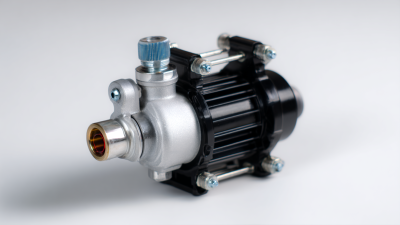
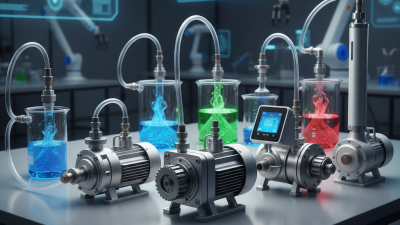
In the rapidly evolving world of fluid transfer, electric diaphragm pumps are becoming increasingly vital. According to Dr. Lisa Chang, a leading expert in fluid dynamics, "Electric diaphragm pumps offer precision and efficiency that can transform industries." These pumps are designed to handle various fluids, from water to corrosive chemicals, making them versatile and practical.
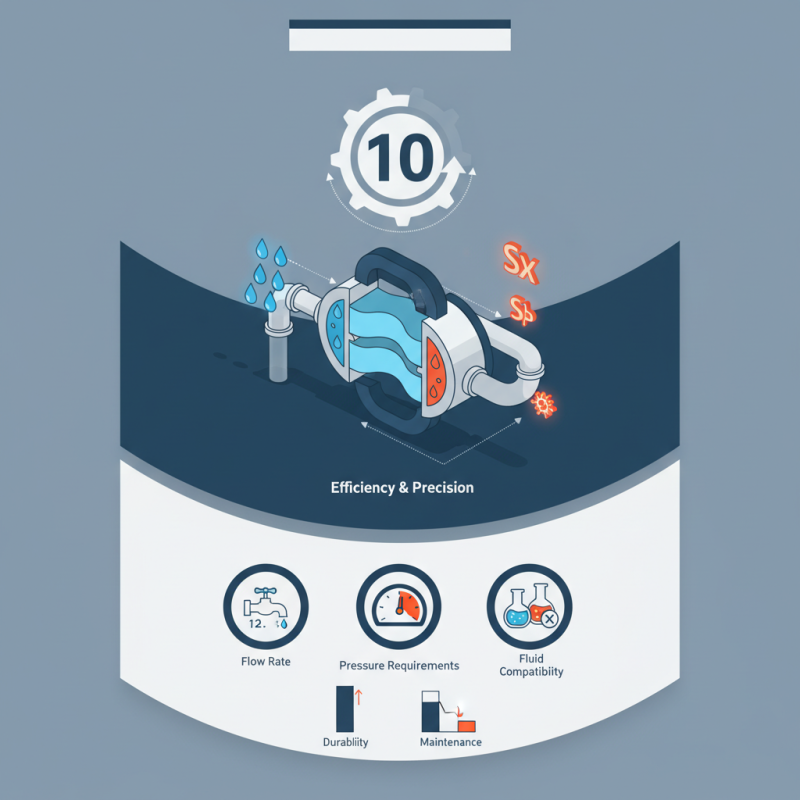
The efficiency of electric diaphragm pumps stems from their construction. They utilize a flexible diaphragm to create a pumping action. This design allows for smooth flow and reduces the risks of leaks. However, choosing the right pump can be challenging. Factors like flow rate, pressure requirements, and fluid compatibility all play crucial roles.
Additionally, while many options exist on the market, not all electric diaphragm pumps are created equal. Some might lack durability or require frequent maintenance. This reality reminds us to constantly evaluate and improve our selections. Finding the best pump can significantly impact operational efficiency and safety in any setting.
Top Features of Electric Diaphragm Pumps in Fluid Transfer Applications
Electric diaphragm pumps play a crucial role in fluid transfer applications. They are designed to handle various liquids, including water, oil, and chemicals. These pumps are known for their efficiency and versatility. One top feature is their ability to self-prime, which means they can operate even when cavitation occurs. This is essential in many industrial environments where air may enter the system.
Another significant feature is their adjustable flow rates. This allows users to control the amount of fluid transferred. It is important for achieving the desired results in various tasks. Durability is also a key aspect. Electric diaphragm pumps are built to withstand harsh conditions. However, wear and tear are inevitable, so regular maintenance is necessary. Neglecting this can lead to costly repairs.
**Tip:** Always check the pump's compatibility with the fluid type. Mismatched materials can cause damage.
Another point to consider is noise levels. Some electric diaphragm pumps can be quite loud. If noise is a concern, look for models designed for quieter operation. This can make a significant difference in work environments.
**Tip:** Consider the space where the pump will be installed. Larger pumps require more room. Be prepared for potential modifications in your setup.
Top 10 Electric Diaphragm Pumps for Efficient Fluid Transfer
This chart displays the flow rates (in liters per minute) of the top 10 electric diaphragm pumps based on their efficiency in fluid transfer applications. The data showcases the efficacy of different pump models in transferring liquids effectively.
Industry Standards and Certifications for High-Performance Pumps
The efficiency of electric diaphragm pumps lies in their adherence to industry standards and certifications. These guidelines are critical for ensuring reliability. ISO 9001 sets a quality management standard. Companies achieving this certification showcase their commitment to quality control. This certification is vital for industries requiring consistent reliability, such as pharmaceuticals and food processing.
Organizations like the American Society of Mechanical Engineers (ASME) provide additional standards. ASME's guidelines on pump design improve safety and performance. Pumps must pass rigorous testing to obtain ASME certification. This process includes assessments for durability and efficiency, ensuring pumps meet or exceed operational expectations.
Recent reports indicate that the global market for diaphragm pumps is projected to grow significantly. In 2022, the market was valued at approximately $3 billion. As demand increases, the push for certified high-performance pumps becomes more pressing. Many manufacturers struggle to meet these standards. This gap often leads to quality issues. Addressing this challenge is crucial for fostering trust in pump technology.
Comparative Analysis of Leading Brands in Electric Diaphragm Pumps
When it comes to electric diaphragm pumps, the choice can be overwhelming. A recent report by MarketsandMarkets highlights that the global diaphragm pump market is expected to grow from $3.1 billion in 2021 to $4.7 billion by 2026, driven by rising demand in industrial applications. This growth reflects a need for efficient fluid transfer solutions.
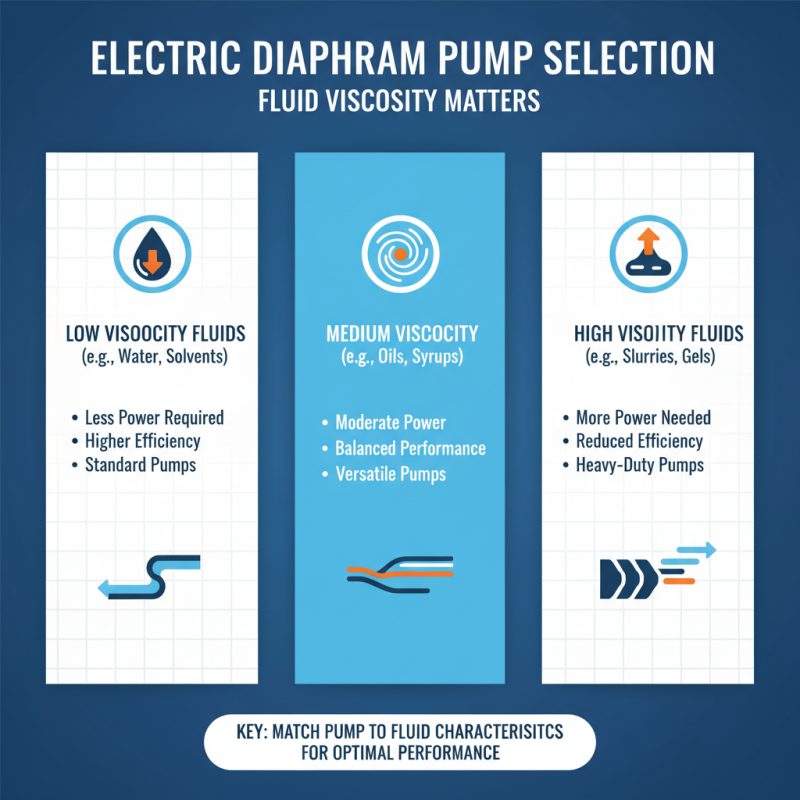
Different brands offer various models with unique features. Some excel in pressure capacity, while others focus on flow rate. Performance metrics, such as a pump's ability to handle viscous fluids, vary significantly across brands. A common issue is inconsistent performance under varying conditions. Many users report that not all pumps can maintain efficiency when faced with changes in temperature or viscosity.
Maintenance is another aspect that needs attention. Reports indicate that neglecting regular checks can lead to pump failure. Some users have experienced leaks due to wear, resulting in costly downtime. Exploring efficiency ratings alone may not suffice, as operational costs can skyrocket with frequent repairs. Understanding these nuances allows for a better-informed decision in selecting the right pump.
Top 10 Electric Diaphragm Pumps for Efficient Fluid Transfer
| Model |
Flow Rate (GPH) |
Max Pressure (PSI) |
Power Consumption (W) |
Weight (lbs) |
Material |
| Model A |
25 |
50 |
150 |
10 |
PVC |
| Model B |
30 |
60 |
200 |
12 |
Aluminum |
| Model C |
27 |
55 |
180 |
11 |
Stainless Steel |
| Model D |
20 |
45 |
140 |
9 |
Nylon |
| Model E |
33 |
70 |
250 |
13 |
Polypropylene |
| Model F |
22 |
48 |
160 |
10 |
Teflon |
| Model G |
29 |
65 |
220 |
12 |
Brass |
| Model H |
26 |
58 |
170 |
11 |
Rubber |
| Model I |
31 |
75 |
240 |
14 |
Ceramic |
| Model J |
24 |
52 |
155 |
10 |
Glass-Filled Nylon |
User Feedback and Real-World Performance of Electric Diaphragm Pumps
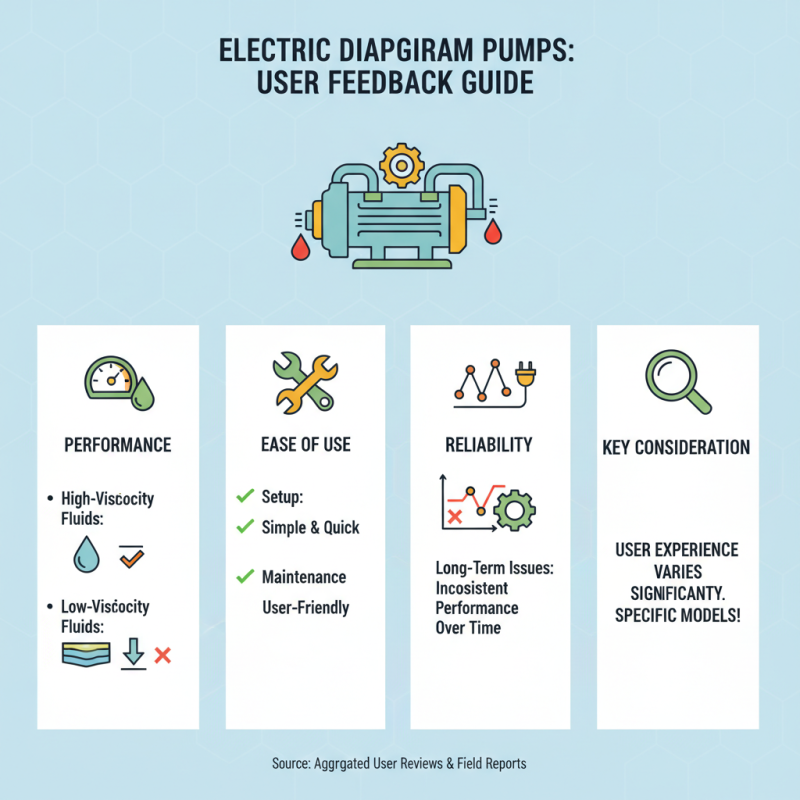
When it comes to selecting electric diaphragm pumps, user feedback is invaluable. Many users highlight performance under diverse conditions. Some pumps excel in high viscosity fluids, while others struggle. Reviews often mention ease of setup and maintenance. A few users have experienced reliability issues over time. This inconsistency is key to consider.
Tips: Regular maintenance can extend a pump's lifespan. Check seals and diaphragms periodically. Users often overlook this, leading to performance drops. Knowing your fluid's properties is essential. Not all pumps can handle corrosive substances.
Real-world performance varies across applications. For instance, some users report impressive flow rates. Yet, inadequate power supply can hinder performance. It’s crucial to assess your setup before making a decision. Remember, user experiences can differ widely based on individual needs and circumstances. Engaging with user communities can provide deeper insights into pump efficiency and suitability for your specific tasks.