Top ESS Connector Manufacturers for Global Buyers
Selecting an Ess Connector supplier is not a simple catalogue exercise. Global buyers must examine current capacity, contact resistance, insulation performance, sealing quality, and long-term support. A connector may look robust on a factory floor, yet fail after repeated mating, vibration, moisture exposure, or thermal cycling. Small details matter. Plated contacts. Locking force. Cable bend radius.
Robert Mroczkowski, a recognized electrical-contact specialist, has stated, “A connector is only as reliable as the system around it.” This principle remains highly relevant for energy storage systems. An ESS Connector must work with busbars, battery racks, inverters, fuses, and monitoring equipment. One weak interface can increase heat, trigger maintenance, or interrupt a complete storage installation.
This guide reviews leading ESS Connector manufacturers for global buyers. It considers engineering capability, product consistency, certifications, customization, production scale, and after-sales responsiveness. It also looks beyond polished brochures. Can the supplier provide traceable test data? Can it maintain stable dimensions across production batches? Can it respond when a project changes late?
Experience shows that the lowest unit price rarely tells the whole story. A cheaper connector may demand additional testing, replacement labor, or redesign work. Still, no manufacturer is perfect. Even respected suppliers can face capacity limits, regional delays, or communication gaps. Buyers should verify claims independently and request samples before approving large orders. The right choice balances safety, performance, availability, and practical cooperation.
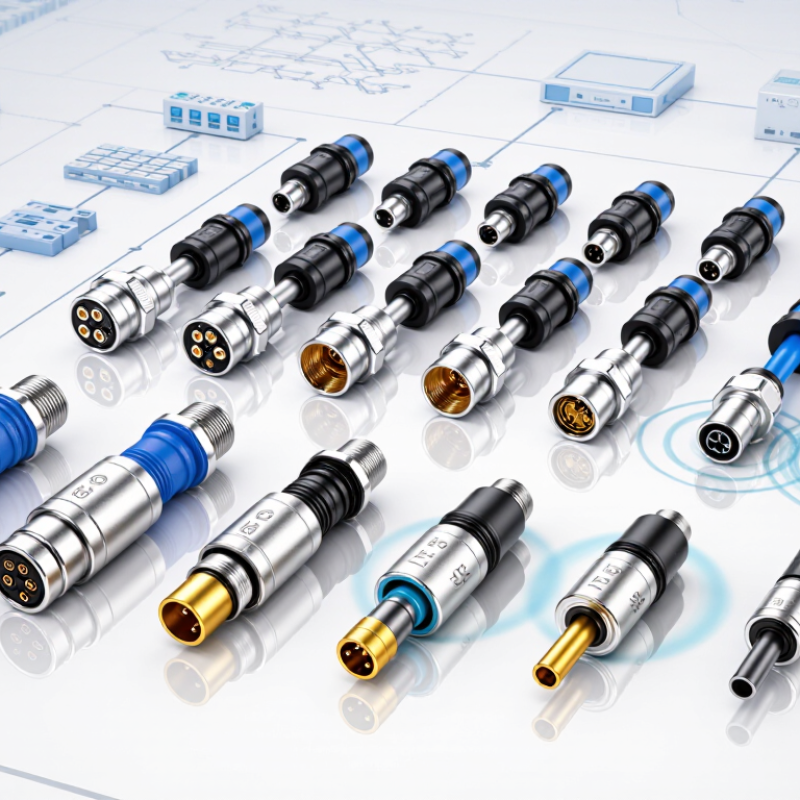
ESS Connector Basics and Their Role in Energy Storage Systems
Top ESS Connector Manufacturers for Global Buyers
ESS Connector Basics and Their Role in Energy Storage Systems
Energy storage system connectors link battery racks, power conversion equipment, sensors, and protection circuits. They carry substantial current through compact contact points. A loose interface can create resistance, heat, and sudden shutdowns.
Small parts matter.
The International Energy Agency’s Batteries and Secure Energy Transitions report states that global battery storage capacity must grow from about 86 GW in 2023 to 1,200 GW by 2030. That is roughly a fourteen-fold increase.
This expansion makes connector reliability a system-level concern, not a purchasing detail.
Engineers should check rated voltage, continuous current, short-circuit tolerance, contact resistance, insulation, and touch protection. They should also verify performance after vibration, humidity, salt exposure, and repeated mating cycles.
In field work, cable routing often reveals practical weaknesses. A connector may fit perfectly on a clean factory bench, yet fail when dust enters a cabinet or a cable bends near its housing. Thermal imaging can expose abnormal heating before visible damage appears.
The 2024 Lazard Levelized Cost of Storage analysis shows that storage economics vary widely by duration and system design, so premature connector failures can quietly increase lifetime costs.
Testing is not always perfect. Installation mistakes still happen. Therefore, global buyers should request traceable test records, material specifications, and clear replacement procedures before approving an ESS connector.
Key Criteria for Evaluating ESS Connector Manufacturers
Selecting an ESS connector manufacturer requires more than comparing unit prices. The International Energy Agency reported that global battery demand reached 750 GWh in 2023. Storage systems are becoming larger and more demanding. Therefore, buyers should verify continuous current, peak current, voltage, insulation, and temperature ratings under real operating conditions. A connector rated for 200 amps may perform differently inside a hot, enclosed cabinet.
Safety evidence matters. Request test records covering thermal cycling, vibration, salt mist, ingress protection, short-circuit resistance, and mating durability. UL 9540A testing focuses on thermal runaway behavior at the cell, module, unit, and installation levels. Connector suppliers should explain how their components support the wider safety design. The International Electrotechnical Commission also emphasizes clear electrical and mechanical requirements through standards such as IEC 61984. Certificates alone are not enough.
Traceability separates reliable suppliers from polished sales presentations. Check material grades, plating thickness, batch records, factory audits, and change-control procedures. Ask for failure data, not only successful laboratory results. This can feel uncomfortable. Few manufacturers publish every weakness. Supply resilience also deserves attention; the IEA’s Global Critical Minerals Outlook 2024 warns that clean-energy supply chains remain geographically concentrated. A second-source plan, stable tooling, and practical lead times can protect project schedules. No scorecard is perfect. Field feedback may reveal that a slightly more expensive connector survives repeated maintenance better than a cheaper alternative.
Leading ESS Connector Manufacturers for International Buyers
Leading ESS Connector Manufacturers for International Buyers
International buyers need more than a catalog and a low quotation. Reliable ESS connector manufacturers understand battery racks, power conversion systems, and outdoor storage conditions. Their products should match voltage, current, cable size, and installation method without forced adaptation.
Look for documented testing, stable production control, and traceable materials. Important evidence includes insulation resistance, contact resistance, flame performance, sealing protection, and thermal cycling results. Small details matter. A connector may fit during assembly but loosen after repeated vibration or heating. Ask for sample testing under your actual cable diameter and torque requirements. Do not rely only on a standard datasheet.
Export experience also affects project reliability. Manufacturers serving international buyers should provide clear drawings, multilingual technical support, consistent packaging, and realistic lead times. They should explain customs documents and shipment protection without making vague promises. Factory audits can reveal practical issues, such as mixed batch labels or poorly protected terminals. These are easy to overlook. A previous evaluation may seem successful, yet field installation can expose weak locking feedback or difficult maintenance access. That uncertainty deserves honest review. Choose suppliers willing to discuss failure modes, corrective actions, and production changes. Price still matters, but an inexpensive connector can create costly rework when technicians work inside a crowded energy storage cabinet.
Comparing Product Range, Safety Standards, and Global Support
Selecting ESS connector manufacturers requires more than comparing current ratings. The International Energy Agency’s Electricity 2024 report states that global battery storage additions reached about 42 GW in 2023, more than doubling from the previous year. This growth increases demand for connectors suited to high-current battery racks, outdoor cabinets, liquid-cooled systems, and flexible busbar layouts. Product range matters because one connector rarely fits every enclosure, voltage class, or maintenance method.
Safety evidence should be specific. I check touch protection, insulation distance, temperature rise, locking force, and resistance to vibration. Relevant evaluations may include IEC 62933 requirements, IEC 60664 insulation coordination, and UL 9540A test data for thermal runaway scenarios. The International Energy Agency also identifies grid-scale storage as essential for integrating renewable electricity, making traceable component quality increasingly important. A certificate alone is not enough. Ask for test conditions, revision dates, and batch records.
Global support is often overlooked. Reliable suppliers provide dimensional drawings, torque guidance, replacement parts, and multilingual technical responses. Their logistics network should support documented packaging for moisture-sensitive terminals and predictable lead times. In practice, small details matter: a connector arriving with an unclear crimp range can delay an entire rack installation. I have seen supplier comparisons focus heavily on price, then discover weak field support. No checklist is perfect. Engineers should still verify samples under realistic heat, dust, cable movement, and repeated mating conditions before approving volume purchases.
Top ESS Connector Manufacturers for Global Buyers
Comparison framework based on internationally recognized standards relevant to product range, safety qualification, and global deployment support.
The chart counts recognized reference standards commonly used when evaluating ESS connector suppliers. It is a standards-coverage benchmark rather than a market-share ranking. Reference areas include IEC 61984, IEC 60529, IEC 60068, IEC 60664-1, IEC 60695, UL 94, UL 1973, UL 9540, and NFPA 855.
How to Select the Right ESS Connector Supplier for Your Project
Top ESS Connector Manufacturers for Global Buyers
Selecting the right ESS connector supplier requires more than comparing prices. The IEA’s Electricity 2024 report states that global battery storage additions exceeded 40 GW in 2023. That rapid growth increases pressure on safety, availability, and service quality. Buyers should check connector ratings, conductor size, operating temperature, ingress protection, and mating cycles. Ask for test evidence, not marketing claims. Useful records include torque tests, thermal cycling, vibration testing, salt-mist results, and crimp pull-out data.
Supplier experience matters in real installations. Request samples and inspect the locking mechanism with gloves. Confirm clear polarity markings and replacement procedures for crowded battery racks. The supplier should provide traceability for raw materials and production batches. Regional compliance also needs attention. IEC 62933 guidance and relevant UL testing can support system-level evaluation, but a connector certificate alone does not prove complete ESS safety. That distinction is often missed.
Tips: Build a comparison sheet with current rating, voltage rating, cable range, IP level, test standards, lead time, and warranty terms. Ask for failure-analysis support. Check whether the supplier can maintain identical dimensions across future batches. A cheap connector may create costly downtime. Still, premium pricing is not automatic proof of quality. I would verify every claim through independent reports, sample testing, and a small pilot order before approving large volumes.