Top 10 Pit Parking Solutions for Efficient Race Management?
In the fast-paced world of racing, efficient management is critical. One key aspect that often gets overlooked is Pit Parking. A well-organized pit area can make all the difference in a race. The right parking solutions enhance workflow, minimize downtime, and improve team coordination.
Pit Parking challenges vary with each race. Factors like space constraints and vehicle types play significant roles. Unplanned incidents and cramped conditions can lead to chaos. Therefore, exploring innovative parking solutions is essential for race teams. This article will delve into the top ten Pit Parking solutions that promise efficiency and effectiveness.
Implementing these solutions can improve race performance significantly. Each option offers unique benefits tailored to specific needs. By learning from past experiences and ongoing practices, teams can refine their Pit Parking strategies. Emphasizing reliable and effective solutions fosters a competitive edge on the track.
Overview of Pit Parking in Race Management
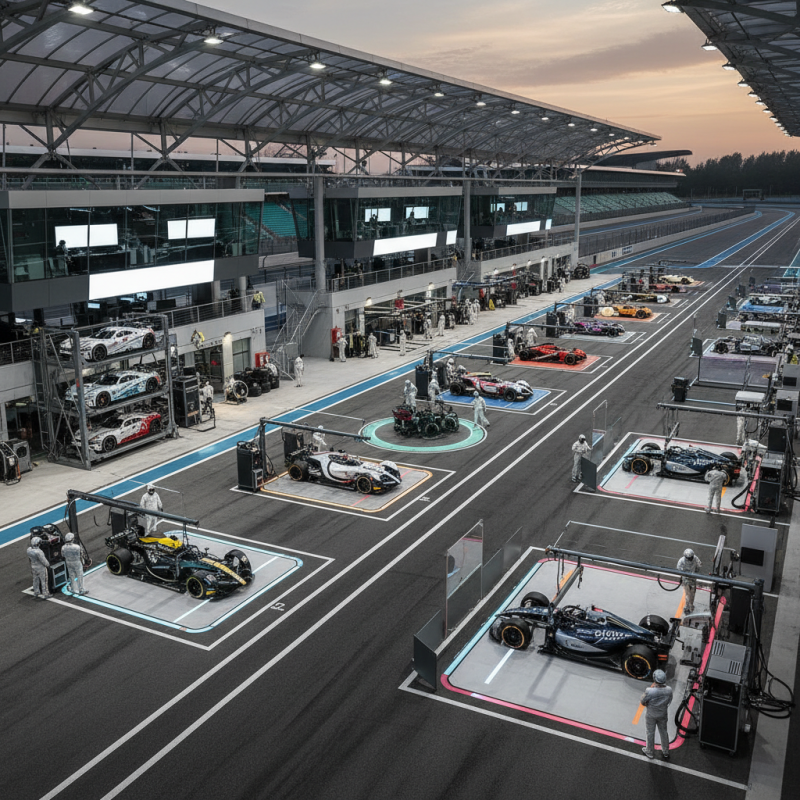
Pit parking is crucial for effective race management. Efficient organization in pit areas can significantly impact race outcomes. A well-structured pit layout allows for quick refueling, tire changes, and repairs. This not only improves team performance but also enhances safety.
Teams often face challenges in managing their pit space. Limited areas can lead to congestion, slowing down vital operations. Monitoring the movements of cars and crew members helps identify bottlenecks. An optimal parking solution includes designated spots for each team, minimizing confusion. Clear communication among team members is essential to avoid accidents.
Regular evaluations of pit parking strategies are necessary. What worked last season may not fit current requirements. Analyzing past races can provide valuable insights. Teams should be open to new ideas and improvements. Adapting to changing demands in the racing environment can lead to better performance on race day.
Criteria for Evaluating Pit Parking Solutions
Pit parking solutions are critical for efficient race management. Evaluating these solutions requires a clear set of criteria. Key aspects include space utilization, accessibility, and safety measures. According to recent industry reports, the average race event loses up to 15% of its operational efficiency due to inadequate parking. Addressing these issues can significantly enhance race day performance.
Cost is another crucial factor. Many teams face budget constraints. Effective solutions must offer financial viability while maintaining quality. Data shows that investing in technology for pit parking can reduce wait times by an impressive 30%. This improvement directly correlates with race outcomes and team performance.
Ultimately, adaptability is vital. The best pit parking solutions accommodate various race formats and conditions. Flexibility allows teams to make real-time adjustments. A generic approach often leads to missed opportunities. Continuous evaluation and improvement are essential. Not all solutions work perfectly in every scenario, warranting a thoughtful review of past events. Emphasizing these criteria can help teams choose the best pit parking strategies for optimal results.
Top 10 Pit Parking Solutions for Efficient Race Management
Top Innovative Technologies for Pit Parking Efficiency
Effective race management is critical for any motorsport event. Recent advancements in pit parking technologies offer innovative solutions for streamlining operations. These technologies enhance efficiency and can significantly impact race day performance.
One standout solution includes automated tracking systems. They provide real-time data on car locations and crew movements in the pit. This minimizes confusion during fast-paced activities. Another notable innovation is the use of advanced telemetry. It allows teams to monitor vehicle conditions without disrupting pit lane operations. However, the implementation of these systems can be complex and requires thorough training for the crew.
Moreover, data analytics tools are powerful. They help teams analyze past performances and foresee potential bottlenecks. Yet, collecting and interpreting data can be overwhelming for less experienced teams. Investing in user-friendly interfaces might be necessary. Despite these challenges, teams that embrace these technologies often find improved coordination and better communication. As the industry evolves, adapting to these changes proves crucial for effective race management.
Case Studies of Successful Pit Parking Implementations
Efficient race management hinges on effective pit parking solutions. One case study from a prominent racing event illustrated how strategic layout redesign increased team efficiency. By analyzing each team's workflow, organizers identified bottlenecks. Adjustments in pit stalls allowed for smoother transitions, reducing time spent during pit stops. This move not only enhanced race speed but also minimized errors.
Another compelling example comes from a championship-level motorcycle race. The event management team implemented a color-coded system for pit allocation. Each team received a distinct color to quickly navigate to their assigned stalls. This approach decreased confusion during high-pressure moments. Despite its successes, the team acknowledged the need for ongoing adjustments based on team feedback. Continuous improvement remains vital.
Despite the innovations, challenges persist. Some teams still struggle with communication under pressure. Teams reported difficulties coordinating during busy pit windows. This highlights the need for better training and clearer protocols. Regular evaluations of pit strategies can lead to more reliable outcomes.
Best Practices for Training Personnel in Pit Management
Training personnel in pit management requires clear strategies. Efficient pit operations can mean the difference between victory and defeat in racing. Data from industry reports show that more than 70% of race teams identify pit crew competency as critical to their overall performance.
Tips for effective training:
1. Emphasize role-playing exercises. This helps team members understand their responsibilities.
2. Use timing and efficiency as benchmarks. Track each member's performance during practice sessions.
Communication within the team is crucial. Teams with strong internal communication report up to 25% faster pit stops. Regular debriefs after practices help teams identify weaknesses and address them. Many organizations underutilize this essential practice, often focusing solely on physical training.
The pit area is fast-paced and chaotic. Even seasoned personnel can struggle under pressure. Observation from senior members can provide valuable insights. Regular feedback loops also encourage continuous improvement. Developing a culture of accountability enhances performance.