Top Submersible Pumps for Various Applications in 2026?
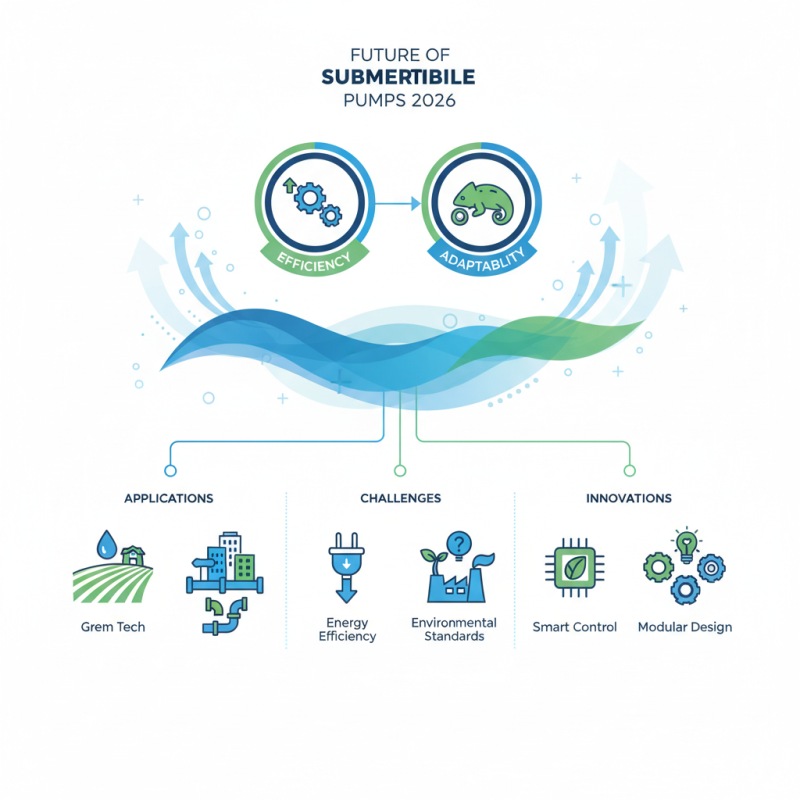
In 2026, the demand for submersible pumps will continue to rise across various applications. Experts predict that innovation will play a key role in shaping this market. John Smith, a renowned industry expert, states, "The future of submersible pumps lies in efficiency and adaptability." This insight highlights the challenges and opportunities that lie ahead.
Submersible pumps serve multiple sectors, from agriculture to municipal water supply. These pumps are essential for moving water from underground sources. However, challenges such as energy efficiency and maintenance persist. Some existing models may not meet future environmental standards. Users need to remain vigilant about these issues.
As technology evolves, the design of submersible pumps must improve. The industry is pushing for pumps that consume less energy while providing higher performance. Adaptation will be key as unforeseen challenges emerge. Understanding these dynamics will be crucial for stakeholders in the submersible pumps market.
Top Submersible Pumps for Various Applications in 2026
In 2026, submersible pumps will see significant advancements. These pumps are crucial in various sectors, including agriculture, construction, and wastewater management. Each application demands unique features, emphasizing reliability and efficiency.
Consider the needs of agriculture. Irrigation systems require pumps that can handle debris. These submersible pumps should have mechanical seals that protect against contaminants. A focus on energy efficiency will also save costs in the long run, but not every pump will meet this need.
In construction, submersible pumps need to handle tough conditions. Many face issues like sediment buildup. This often results in subpar performance. On-site evaluation of pump capabilities is essential. Investing in a pump without thorough testing could lead to costly failures. Each application reveals distinct requirements, pushing for a refined approach to pump selection.
Key Features to Consider When Choosing a Submersible Pump
When choosing a submersible pump, it's important to consider several key features. The power of the pump is crucial. A higher horsepower can handle tough conditions and deliver better performance. Next, look at the materials used in the pump construction. Durable materials resist corrosion and wear over time. Stainless steel is a common choice for longevity.
Another aspect to evaluate is the pump's flow rate. This determines how quickly water can be moved. A faster flow rate means more efficiency for your specific needs. Additionally, consider the pump's motor type. Whether it's a permanent magnet motor or another type, this affects energy consumption and lifespan.
It's also wise to think about the installation process. Some pumps require more complex setups than others. Therefore, the ease of installation can save time and resources. Ensure to check the warranty and after-sales support offered. A longer warranty typically indicates confidence in the product. These factors are essential for anyone investing in a reliable submersible pump. Remember that not all pumps fit every situation perfectly; mistakes can happen.
Top Submersible Pumps for Various Applications in 2026
Applications of Submersible Pumps in Agriculture and Irrigation
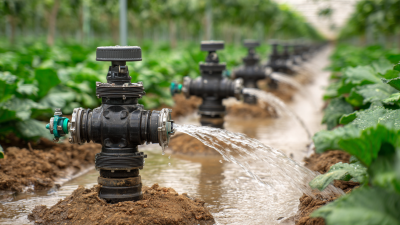
Submersible pumps have become vital in agriculture, especially in irrigation. Their efficiency in water management can significantly impact crop yield. According to the Irrigation Association, modern submersible pumps can reduce water usage by up to 30%, which directly benefits farmers facing water scarcity. Efficient irrigation is crucial as over 70% of freshwater is used for agriculture.
However, not all submersible pumps are created equal. Different applications require different pump specifications. For instance, a pump used in a shallow well may not perform well in deep reservoirs. Farmers must consider factors like depth, flow rate, and energy efficiency before selecting a pump. A misstep in this selection can lead to inadequate water supply and wasted resources.
Additionally, there is an increasing emphasis on sustainable practices. The Global Water Partnership reported that up to 40% of irrigation water is lost due to inefficiencies. While submersible pumps can enhance water delivery, they also require regular maintenance. Neglecting this aspect can result in pump failures, leading to further inefficiencies and increased costs. Balancing efficiency with maintenance is a challenge many farmers face today.
Submersible Pumps for Industrial Use: Benefits and Innovations
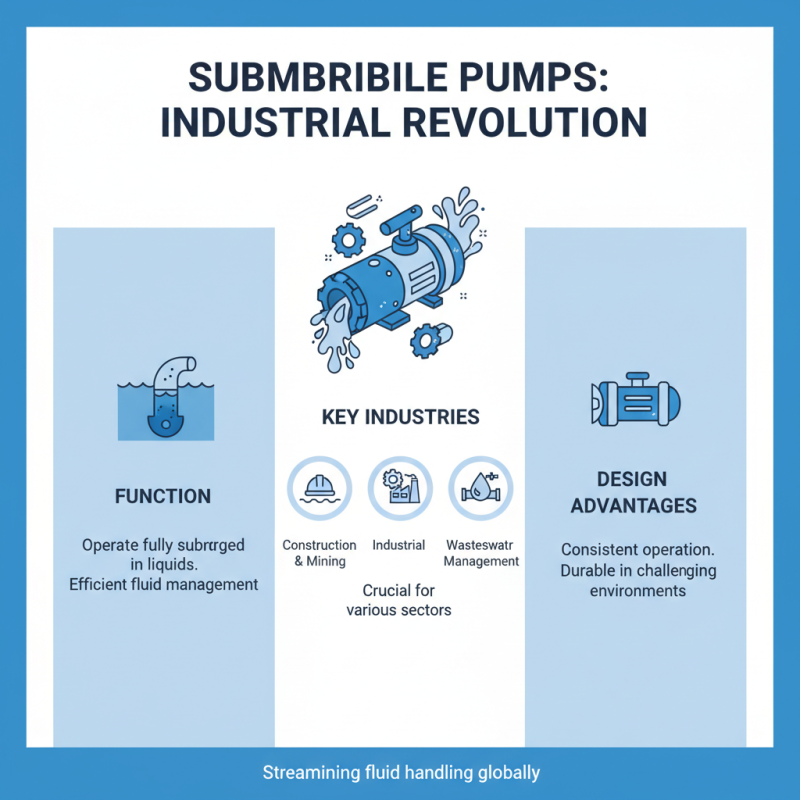
Submersible pumps have revolutionized industrial applications. They function submerged in liquids, ensuring efficient fluid management. These pumps are crucial in various industries, such as construction, mining, and wastewater management. Their design allows for consistent operation, even in challenging environments.
Recent innovations have enhanced their performance. New materials improve durability and reduce energy consumption. Advanced sensors are now integrated into many models. They provide real-time data on performance and efficiency. However, challenges remain in adapting these technologies to various settings. Not all pumps fit every application perfectly. This can lead to inefficiencies and unexpected maintenance issues.
The flexibility of submersible pumps can be a double-edged sword. While they adapt to numerous tasks, users must choose wisely. Misapplication can cause costly downtime. Regular training and education are vital to ensure optimal use. Assessing specific needs before selecting a pump is critical.
Future Trends in Submersible Pump Technology for 2026
The future of submersible pump technology in 2026 promises exciting advancements. One major trend is energy efficiency. As industries strive to reduce energy costs, manufacturers will focus on creating pumps that use less electricity. Expect to see innovations like improved motor designs that maximize efficiency without sacrificing performance.
Another noteworthy trend is the integration of smart technology. Many pumps will come equipped with sensors for monitoring conditions. These sensors can help detect issues early, reducing downtime. Additionally, data collected can inform maintenance schedules, increasing reliability. However, there’s a challenge in balancing technology with accessibility. Not all operators will have the training needed to manage these advanced systems.
Sustainability will also play a key role. Future designs are likely to incorporate eco-friendly materials. Yet, as companies strive for green solutions, there may be hesitations about cost. Will these sustainable options be affordable for smaller businesses? Questions like this remain. As technology evolves, it’s important for industries to reflect on their priorities and the future of resource management.
Top Submersible Pumps for Various Applications in 2026
| Application |
Pump Type |
Flow Rate (m³/h) |
Power Rating (kW) |
Max Head (m) |
Efficiency (%) |
Material |
| Wastewater Management |
Submersible Sewage Pump |
50 |
3.5 |
30 |
85 |
Cast Iron |
| Groundwater Extraction |
Deep Well Pump |
60 |
5.5 |
100 |
90 |
Stainless Steel |
| Irrigation |
Submersible Turbine Pump |
80 |
7.5 |
70 |
92 |
Plastic |
| Construction |
Portable Submersible Pump |
40 |
2.0 |
15 |
80 |
Aluminum |
| Agriculture |
Submersible Pump for Irrigation |
70 |
4.0 |
50 |
88 |
Fiberglass |