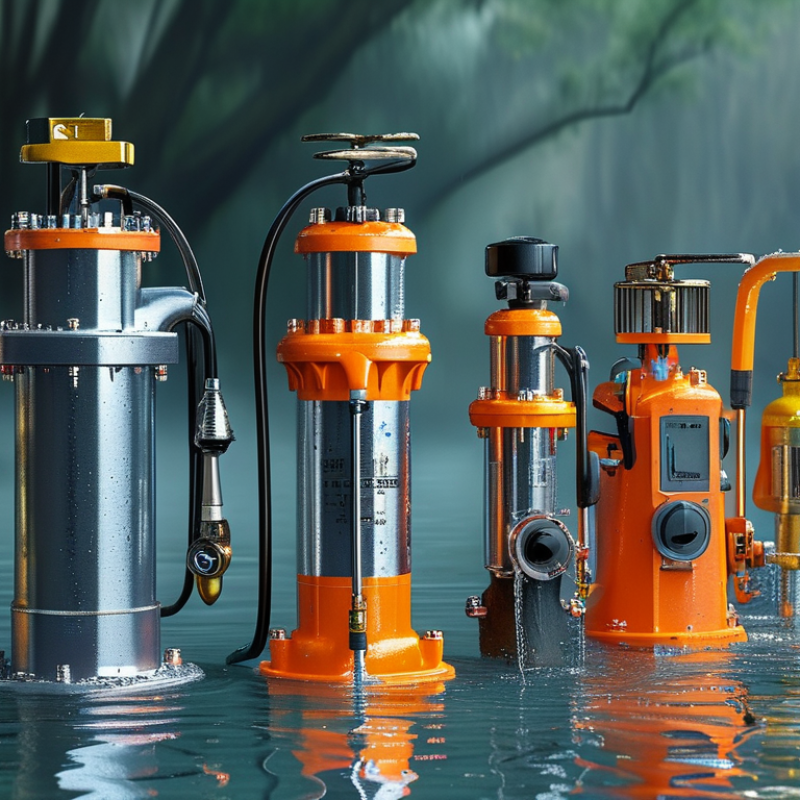
Top 10 Submersible Pumps for Global Buyers Today?
In the world of water management, the Submersible Pump stands out for its efficiency. These pumps operate underwater, handling various tasks, from draining flooded areas to water supply in agricultural settings. Given the wide range of pumps available today, identifying the top options can be overwhelming for global buyers.
Submersible pumps come in different sizes and capacities. Each model has its unique features catering to specific needs. Buyers should consider power output, material quality, and application suitability. Understanding these aspects can make a significant difference in performance and longevity.
Choosing a submersible pump is not always straightforward. Some models may promise high efficiency but may fall short in durability. Adequate research is essential to avoid costly mistakes. With the right information, buyers can invest in reliable pumps that meet their requirements.
Overview of Submersible Pumps and Their Applications
Submersible pumps are vital tools in various industries, ranging from agriculture to construction. These pumps are designed to function underwater, providing efficient fluid transfer in challenging environments. Their applications are diverse, including dewatering, irrigation, and wastewater management. In agricultural settings, farmers rely on these pumps to irrigate crops, ensuring their yield is maximized. In construction, they remove water from excavations, helping to maintain dry work sites.
The design of submersible pumps allows them to be submerged in the fluid they are pumping. This feature reduces the risk of pump overheating and increases efficiency. However, users must consider factors like pump depth and the type of fluid. Not all submersible pumps work well in abrasive or contaminated liquids. Some buyers may overlook these details, leading to equipment failure or suboptimal performance.
Regular maintenance is crucial for optimal operation. Many users forget to check for wear and tear, which can lead to pump breakdowns. Understanding the specific requirements of your application can help in choosing the right submersible pump. It's a decision that impacts productivity and resource management. The right information can empower buyers to make informed choices, ensuring that their investment is worthwhile.
Key Features to Consider When Selecting a Submersible Pump
When selecting a submersible pump, several key features must be considered. Pump performance depends largely on motor power and flow rate. According to industry reports, a pump with a power range of 0.5 to 10 horsepower can effectively handle various tasks, from draining water to lifting sewage. It's essential to match the pump's flow rate with your specific needs, typically measured in gallons per minute (GPM).
Durability is another important factor. Materials such as stainless steel and thermoplastic increase resistance to corrosion. A report from the National Pump Manufacturers Association indicates that pumps made from these materials typically last longer, reducing replacement costs. It's wise to consider the pump's warranty, as a longer warranty often indicates manufacturer confidence in product durability.
**Tip:** Always assess the total dynamic head (TDH) to ensure the pump can handle your specific system requirements.
Another consideration is the type of impeller. Closed impellers generally provide better efficiency, while semi-open impellers can handle solids more effectively. Thus, it's crucial to evaluate the pump's design based on your intended use. Be aware that prioritizing high performance without assessing compatibility can lead to inefficiencies.
**Tip:** Research user reviews to gain insight into real-world performance and durability issues. These reflect experiences and can guide you toward a more informed decision.
Top 10 Submersible Pumps: Performance and Specifications
When selecting submersible pumps, performance and specifications are key. Each model varies in power, efficiency, and intended use. It is crucial to understand the requirements of your specific situation. For household use, water flow rates and lift height matter greatly. A powerful pump may not be necessary for minor tasks.
Consider the material of the pump. Stainless steel models often show durability against corrosion. Weight and size are also important. A heavier pump may offer stability but could be challenging to maneuver. You need to balance these aspects based on your needs. Efficiency ratings indicate how much energy a pump consumes over time. This directly affects the overall cost of operation, making it a vital specification for buyers.
Inevitably, the perfect choice might not exist. Every pump has limitations. For instance, while one pump excels in deep water applications, it may lack in portability. It's essential to reflect on your specific requirements and the trade-offs involved. Each buyer's context can lead to different conclusions about what constitutes the best option.
Comparison of Brands: Reliability and Customer Feedback
When choosing submersible pumps, customer feedback plays a crucial role. Many buyers appreciate reliability and efficiency. These factors influence their purchasing decisions. Positive reviews often highlight durability and performance under pressure. However, some users report issues with noise levels and energy consumption. This suggests a need for manufacturers to address these concerns.
Comparing different brands reveals varied customer experiences. Some pumps excel in groundwater extraction. Others perform better in waste management. Buyers look for versatility, but not all options meet expectations. Performance can vary based on specific applications. It’s essential to evaluate user reviews closely. This process may uncover hidden strengths or weaknesses in a pump's design.
The world of submersible pumps is dynamic. Feedback from users can reshape product offerings. Brands must listen to their customers. Those that ignore criticism may lose market share. The key lies in constant improvement, based on user-driven insights. Balancing performance with customer satisfaction is vital for success in this competitive field.
Maintenance Tips for Maximizing the Lifespan of Submersible Pumps
Maintaining submersible pumps is crucial for their longevity and efficiency. Regular inspections can prevent unexpected failures. Look for signs of wear, such as leaks or unusual vibrations. Observing these early indicators can save time and money.
Proper lubrication is essential for the motor and bearings. Ensure that all moving parts are well-greased. Neglecting this aspect may lead to corrosion or overheating. Keeping the pump clean can significantly enhance its performance. Debris accumulation can obstruct water flow and strain the motor.
Finally, remember that even the best pumps need care. Sometimes, users skip routine checks, thinking everything is fine. This oversight can lead to breakdowns. Take the time to establish a maintenance schedule. A little effort can go a long way in avoiding costly repairs.