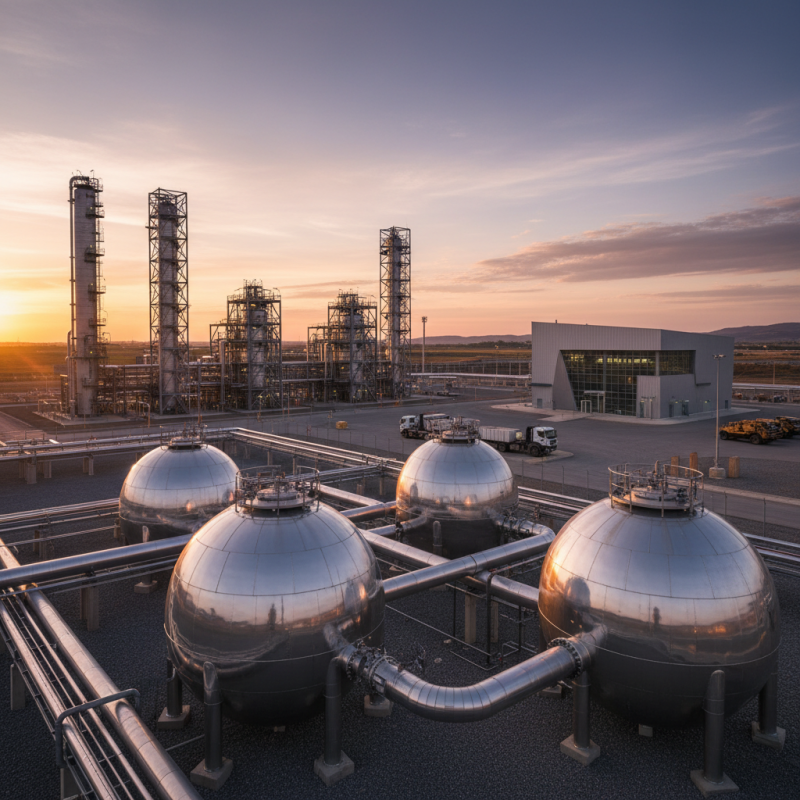
Top Tips for Choosing the Right Liquefaction Plant?
Choosing the right Liquefaction Plant is essential for effective operations. This decision impacts productivity, safety, and cost efficiency. The process requires careful consideration of various factors.
Consider the purpose of the liquefaction plant. Understand the specific needs of your project. Evaluate the plant's capacity and technology. Not all plants are built the same. Some may not suit your requirements.
Researching suppliers is vital. Look for experience and customer feedback. A reputable supplier can make a difference. Sometimes, a less-known provider might offer better solutions. Be open to exploring different options. Balancing quality with budget is important. Investing in the right liquefaction plant pays off in the long run.
Understanding the Basics of Liquefaction Plants
When selecting the right liquefaction plant, it's essential to understand the basics of how these systems work. Liquefaction plants convert gases into liquid forms. This process has multiple applications, including energy storage and transportation. Knowing the purpose of a liquefaction plant helps in making an informed decision.
One tip is to assess the plant's capacity. Different plants offer varying production levels. Look for a plant that aligns with your specific needs. A mismatched capacity might lead to inefficiency. Also, consider environmental impact. Some plants produce more emissions than others. An eco-friendly option could be better in the long run.
Pay attention to the technology used in the plant. Advanced technologies can enhance efficiency. Yet, they might come with higher initial costs. Always weigh these factors. Moreover, consult with experts. Their insights can reveal potential pitfalls. These conversations might expose gaps in your understanding.
Identifying Your Operational Needs and Capacity Requirements
When choosing a liquefaction plant, understanding your operational needs is critical. Start by assessing the volume of materials you process daily. Think about the peak operational periods. How much capacity do you really need? Many underestimate this aspect. Having too little capacity can lead to bottlenecks.
Consider the types of materials you will handle. Specific requirements may arise from different substances. A plant designed for one type may not work well for another. It’s easy to overlook this detail, leading to operational inefficiencies. Also, involve your team in these discussions. They can provide valuable input based on their daily experiences.
Evaluate the space available for installation. Space limitations may affect your choices. If you rush through this, you may face layout challenges later. Keep future expansion in mind. If your operations grow, can the plant adapt? Reflect on how your needs may evolve over time. Ignoring this can result in costly adjustments later.
Evaluating Technology and Equipment Options for Liquefaction
When evaluating technology and equipment options for liquefaction plants, it’s crucial to understand your specific needs. The latest industry reports indicate that successful liquefaction processes rely heavily on advanced technologies. Data suggests that over 40% of operational costs arise from equipment efficiency. Choosing the right equipment directly impacts cost-effectiveness.
When it comes to technology, the choice of refrigerants is vital. Not all systems perform equally, and using optimal refrigerants can enhance energy efficiency by 15-20%. Some technologies offer better integration with renewable energy sources. However, exploring these options requires a deep dive into their long-term reliability and the maintenance demands they entail.
Moreover, system scalability is another consideration. A report from the International Energy Agency emphasizes that adapting to fluctuating demand can save up to 25% in operational costs. Flexibility in plant design can prevent costly overhauls. However, many plants struggle with this aspect, often leading to inefficiencies. It's essential to weigh these factors carefully. Balancing initial investment with potential savings makes a significant difference.
Top Tips for Choosing the Right Liquefaction Plant
When selecting a liquefaction plant, consider the following factors: technology efficiency, operational costs, and output capacity. The chart below compares various technologies based on these criteria.
Assessing Environmental Impact and Compliance Standards
When choosing a liquefaction plant, assessing environmental impact is critical. Every facility can affect local ecosystems. Air and water quality might change. Community health could be at risk, so evaluations are essential. Green certifications can offer some assurance, but they vary widely. Stakeholders often overlook these details, leading to larger issues.
Compliance standards are equally important. Regulations can differ by region. Understanding local laws ensures that plants don’t harm the environment. Some plants may promise great efficiency but fall short in compliance. Such discrepancies can result in costly legal issues. Transparency is vital. Always seek detailed information about a plant’s performance metrics.
Planning for sustainable operations requires thoughtful consideration. Rushing can lead to regrettable mistakes. Factoring in long-term impacts often gets sidelined. It’s crucial to put community needs first. Engaging with local residents can provide insights and build trust. Hearing their concerns can uncover potential pitfalls in a project.
Comparing Costs and Choosing the Right Vendor for Your Needs
When comparing costs and choosing the right vendor for a liquefaction plant, several factors come into play. Industry reports indicate that the average cost of a liquefaction plant can range from $150 million to $1 billion, depending on capacity and location. You need to analyze these costs closely.
One tip is to evaluate operational efficiencies. A plant with a high efficiency rating may save you more in the long run. According to studies, plants with efficiencies higher than 90% tend to have reduced energy costs by up to 20%. This makes a significant impact on your total expenditure.
Another important aspect is vendor reliability. Look for vendors with a proven track record. Reports suggest that around 25% of projects experience delays due to poor vendor performance. Take your time to assess past projects. A careful review can save you headaches later.
Be mindful of maintenance costs, too. They often get overlooked. Studies show that plants with inadequate maintenance plans may incur costs that exceed initial estimates by up to 30%. Balancing initial expenses with long-term operational costs is crucial.
Top Tips for Choosing the Right Liquefaction Plant
| Plant Type | Cost (USD) | Capacity (m³/h) | Power Consumption (kW) | Vendor Rating (out of 5) |
| Type A | $150,000 | 50 | 75 | 4.5 |
| Type B | $200,000 | 70 | 90 | 4.0 |
| Type C | $180,000 | 60 | 80 | 4.3 |
| Type D | $220,000 | 80 | 100 | 4.7 |