Top Udon Noodle Machine Manufacturers in China
Choosing among the top Udon Noodle Machine manufacturers in China calls for more than comparing price lists. Buyers need equipment that matches their recipe, production volume, available floor space, and staff experience. A Udon Noodle Machine may form part of a line for mixing, sheeting, cutting, and portioning dough. The exact setup varies. Some factories need compact equipment for fresh noodles, while larger operations may prioritize repeatable output and integration with existing lines.
A reliable comparison starts with practical evidence. Ask manufacturers for machine specifications, production capacity, noodle-size options, material details, and cleaning instructions. Request a demonstration or sample run using dough similar to yours. Watch how evenly the machine sheets and cuts it. Ask about installation, spare parts, training, and response times for technical support. These details matter after delivery, not just during a sales call. No catalog tells the whole story. Some details are easy to overlook.
This guide introduces Chinese manufacturers and outlines points to check before requesting a quotation. It focuses on product fit, manufacturing experience, quality-control practices, and service support rather than unsupported claims of superiority. Compare like with like: quoted capacity, included components, customization, and warranty terms can differ substantially. A short production trial can reveal issues that photographs cannot. Small test runs matter. Still, results depend on the recipe and operating conditions, so buyers should verify claims directly with each supplier.
Understanding Udon Noodle Machines and Their Production Process
An udon noodle machine turns a simple flour-and-water dough into long, evenly sized noodles. The process begins with measured ingredients and controlled mixing. Dough that feels too dry may crack during sheeting; excess water can make it sticky. Small adjustments matter.
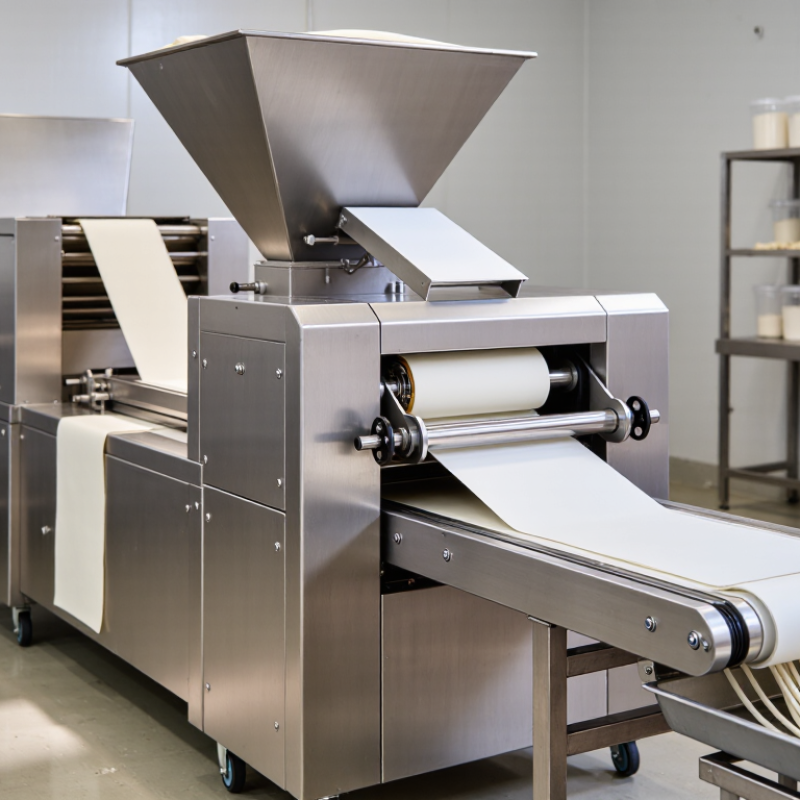
After mixing, the dough typically rests before passing through rollers. The rollers gradually reduce its thickness, helping create a smooth, uniform sheet. A cutter then forms broad strands, which may be lightly dusted with flour to limit sticking. Keep an eye on the edges. Uneven pressure or rushed adjustments can leave noodles with inconsistent widths, even when the machine appears to run smoothly.
Production does not end at cutting. Operators check strand thickness, surface texture, and cooking performance using small test batches. Fresh udon should hold its shape while remaining pleasantly chewy, but flour type and hydration affect the result. Cleaning access, roller adjustment, and steady output are practical points to assess when comparing machines. A machine cannot correct every recipe problem. That is easy to overlook. Careful trials with the intended flour and batch size provide more useful evidence than a speed figure alone.
Types of Udon Noodle Machines Made in China
Udon noodle machines made in China range from compact units for small kitchens to integrated production lines. A typical setup may include a flour mixer, dough resting system, sheeter, and cutter. The mixer combines flour and water into an even dough. Rollers then reduce it gradually, helping create the dense, chewy texture udon is known for. Adjustable cutters produce different noodle widths.
For higher output, automatic lines can connect mixing, rolling, cutting, and portioning stages. Some configurations add conveyors or noodle-dusting devices to reduce sticking. Compact tabletop machines suit trials and modest batches, but their output and adjustment range may be limited. That difference matters.
Tips: Ask suppliers for a test using your flour and target dough hydration. Check noodle thickness, cutter changes, cleaning access, and hourly capacity under realistic conditions. Request clear operating and maintenance instructions, too.
Machine choice depends on batch size, available floor space, and how consistently operators can control dough preparation. A wider roller is not automatically better; pressure, roller gaps, and dough resting time also affect texture. Inspect guards, emergency stops, and food-contact surfaces during a demonstration. Small details can be overlooked, and a specification sheet alone may not reveal how quickly the machine cleans between batches.
Profiles of Leading Udon Noodle Machine Manufacturers in China
Profiles of udon noodle machine manufacturers in China are most useful when they explain what a line actually does. Look for details on dough mixing, sheeting, cutting, steaming, and cooling. A clear profile should state production capacity and noodle dimensions, not just say “high efficiency.” Ask how the maker tests dough with your flour and target hydration. Small differences show up in the bite.
Industry demand offers context, but not a direct measure of udon equipment sales. The World Instant Noodles Association reported 123.1 billion servings of instant noodles consumed worldwide in 2023, including 42.2 billion in China and Hong Kong. These figures cover instant noodles, not udon specifically. They indicate the scale of noodle consumption, while machine buyers still need product-specific trials.
When comparing Chinese manufacturers, review frame construction, food-contact surfaces, control settings, and cleaning access. Request a test run with your recipe. Watch whether strands stay even after cutting and whether dough sticks around rollers. Ask for maintenance intervals and spare-part lead times in writing. Details matter. A polished brochure can still leave gaps. Some profiles also understate operator training; that deserves a direct question before purchase.
How to Choose a Manufacturer for Your Production Needs
Choosing a Chinese udon noodle machine manufacturer starts with your product, not a catalog photo. Note your noodle width, dough hydration, target output, and available floor space before requesting quotations. Ask whether the line includes mixing, sheeting, cutting, and portioning, or only one stage. Small details matter. A cutter suited to thick udon may not produce the thinner strands your customers expect.
Request a video of a production run using dough close to your recipe. Watch for torn sheets, uneven strands, flour buildup, and pauses between batches. Ask for hourly output under clearly stated conditions; a peak figure without recipe details is difficult to compare. Check the machine’s materials, cleaning access, safety guards, and spare-part availability in writing. These details can affect uptime as much as motor power.
Before signing, agree on acceptance tests, installation, operator training, warranty coverage, and response times. A sample run can reveal noise, vibration, or awkward cleaning steps. If you cannot visit, request dated footage and a live remote inspection. I would not overvalue a polished brochure. No checklist is perfect. Compare the total cost, including freight, setup, tooling, and routine wear parts; actual dough behavior may still differ from a test batch.
Top Udon Noodle Machine Manufacturers in China — How to Choose for Your Production Needs
Typical Udon Production Workflow
The bars show the typical order of core udon-making stages, not machine capacity or performance. Ask manufacturers whether their equipment suits your product format and required steps; cooked udon lines may add boiling and cooling before packaging.